Since the last issue of The New Gastroenterologist, the GI Fellowship Match has occurred and CONGRATULATIONS to the Class of 2026! You’ve all been on an arduous journey to get here, and it’s really time to slow down and soak up as much as you can. For those who did not match, do not give up, because you are still the future of GI!
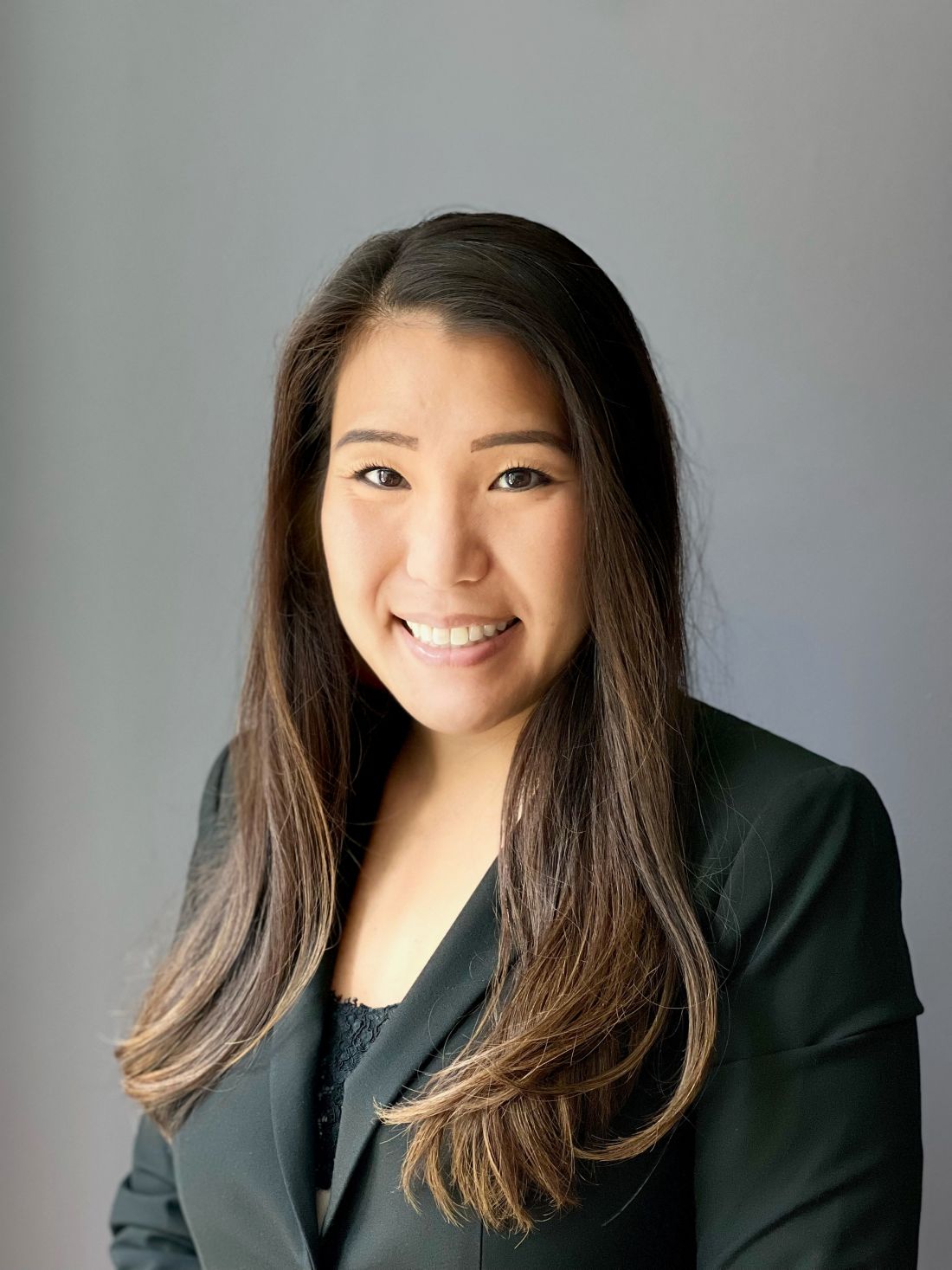
This issue of TNG is particularly special to me, because it marks my first official selection of articles as I embark on my own TNG journey, and the theme is the future of GI. In the “In Focus” article this quarter, Dr. Eugenia N. Uche-Anya and Dr. Tyler M. Berzin review the vast and emerging advances of artificial intelligence (AI) in colonoscopy, its role in augmenting patient care, obstacles in incorporating AI into current practice, and the future of AI in gastroenterology and hepatology. One important aspect of developing our future in these technologies includes getting involved with industry. Dr. Raman Muthusamy gives practical tips on developing and navigating relationships with industry, with highlights on understanding intellectual property and conflicts of interest.
Continuing our trek into the future of GI, telemedicine came into the fold with the COVID-19 pandemic, and it is clearly here to stay. Dr. Russ R. Arjal repositions telemedicine as a way to increase access to care and optimize practice revenue, with the aim of improving patient outcomes in the future.
Last, to ground this issue clinically, Dr. Jason Kwon and Dr. Paul T. Kroner review the gastrointestinal, hepatic, and pancreaticobiliary adverse manifestations and management of immune checkpoint inhibitors, especially now that immunotherapies have revolutionized the treatment of cancer. As gastroenterologists, we are and will be seeing more and more of these adverse events.
If you are interested in contributing or have ideas for future TNG topics, please contact me (jtrieu23@gmail.com). You may also contact Jillian Schweitzer (jschweitzer@gastro.org), managing editor of TNG.
Until next time, I leave you with a historical fun fact: Philipp Bozzini is credited with having developed the first endoscope in 1805, called the Lichtleiter (German for “light conductor”), using a candle as its light source. Adolf Kussmaul, however, developed the first rigid gastroscope in 1868, recruiting a sword-swallower in his first demonstration.
Yours truly,
Judy A. Trieu, MD, MPH
Editor-in-Chief
Advanced Endoscopy Fellow
Division of Gastroenterology & Hepatology
University of North Carolina at Chapel Hill
Summary content
7 Key Takeaways
-
1
Developed a paper-based colorimetric sensor array for chemical threat detection.
-
2
Can detect 12 chemical agents, including industrial toxins.
-
3
Production cost is under 20 cents per chip.
-
4
Utilizes dye-loaded silica particles on self-adhesive paper.
-
5
Provides rapid, simultaneous identification through image analysis.
-
6
Inspired by the mammalian olfactory system for pattern recognition.
-
7
Future developments include a machine learning-enabled reader device.
The guidelines emphasize four-hour gastric emptying studies over two-hour testing. How do you see this affecting diagnostic workflows in practice?
Dr. Staller: Moving to a four-hour solid-meal scintigraphy will actually simplify decision-making. The two-hour reads miss a meaningful proportion of delayed emptying; standardizing on four hours reduces false negatives and the “maybe gastroparesis” purgatory that leads to repeat testing. Practically, it means closer coordination with nuclear medicine (longer slots, consistent standardized meal), updating order sets to default to a four-hour protocol, and educating front-line teams so patients arrive appropriately prepped. The payoff is fewer equivocal studies and more confident treatment plans.
Metoclopramide and erythromycin are the only agents conditionally recommended for initial therapy. How does this align with what is being currently prescribed?
Dr. Staller: This largely mirrors real-world practice. Metoclopramide remains the only FDA-approved prokinetic for gastroparesis, and short “pulsed” erythromycin courses are familiar to many of us—recognizing tachyphylaxis limits durability. Our recommendation is “conditional” because the underlying evidence is modest and patient responses are heterogeneous, but it formalizes what many clinicians already do: start with metoclopramide (lowest effective dose, limited duration, counsel on neurologic adverse effects) and reserve erythromycin for targeted use (exacerbations, bridging).
Several agents, including domperidone and prucalopride, received recommendations against first-line use. How will that influence discussions with patients who ask about these therapies?
Dr. Staller: Two points I share with patients: evidence and access/safety. For domperidone, the data quality is mixed, and US access is through an FDA IND mechanism; you’re committing patients to EKG monitoring and a non-trivial administrative lift. For prucalopride, the gastroparesis-specific evidence isn’t strong enough yet to justify first-line use. So, our stance is not “never,” it’s just “not first.” If someone fails or cannot tolerate initial therapy, we can revisit these options through shared decision-making, setting expectations about benefit, monitoring, and off-label use. The guideline language helps clinicians have a transparent, evidence-based conversation at the first visit.
The guidelines suggest reserving procedures like G-POEM and gastric electrical stimulation for refractory cases. In your practice, how do you decide when a patient is “refractory” to medical therapy?
Dr. Staller: I define “refractory” with three anchors.
1. Adequate trials of foundational care: dietary optimization and glycemic control; an antiemetic; and at least one prokinetic at appropriate dose/duration (with intolerance documented if stopped early).
2. Persistent, function-limiting symptoms: ongoing nausea/vomiting, weight loss, dehydration, ER visits/hospitalizations, or malnutrition despite the above—ideally tracked with a validated instrument (e.g., GCSI) plus nutritional metrics.
3. Objective correlation: delayed emptying on a standardized 4-hour solid-meal study that aligns with the clinical picture (and medications that slow emptying addressed).
At that point, referral to a center with procedural expertise for G-POEM or consideration of gastric electrical stimulation becomes appropriate, with multidisciplinary evaluation (GI, nutrition, psychology, and, when needed, surgery).
What role do you see dietary modification and glycemic control playing alongside pharmacologic therapy in light of these recommendations?
Dr. Staller: They’re the bedrock. A small-particle, lower-fat, calorie-dense diet—often leaning on nutrient-rich liquids—can meaningfully reduce symptom burden. Partnering with dietitians early pays dividends. For diabetes, tighter glycemic control can improve gastric emptying and symptoms; I explicitly review medications that can slow emptying (e.g., opioids; consider timing/necessity of GLP-1 receptor agonists) and encourage continuous glucose monitor-informed adjustments. Pharmacotherapy sits on top of those pillars; without them, medications will likely underperform.
The guideline notes “considerable unmet need” in gastroparesis treatment. Where do you think future therapies or research are most urgently needed?
Dr. Staller: I see three major areas.
1. Truly durable prokinetics: agents that improve emptying and symptoms over months, with better safety than legacy options (e.g., next-gen motilin/ghrelin agonists, better-studied 5-HT4 strategies).
2. Endotyping and biomarkers: we need to stop treating all gastroparesis as one disease. Clinical, physiologic, and microbiome/omic signatures that predict who benefits from which therapy (drug vs G-POEM vs GES) would transform care.
3. Patient-centered trials: larger, longer RCTs that prioritize validated symptom and quality-of-life outcomes, include nutritional endpoints, and reflect real-world medication confounders.
Our guideline intentionally highlights these gaps to hopefully catalyze better trials and smarter referral pathways.
Dr. Staller is with the Division of Gastroenterology, Massachusetts General Hospital and Harvard Medical School, Boston.