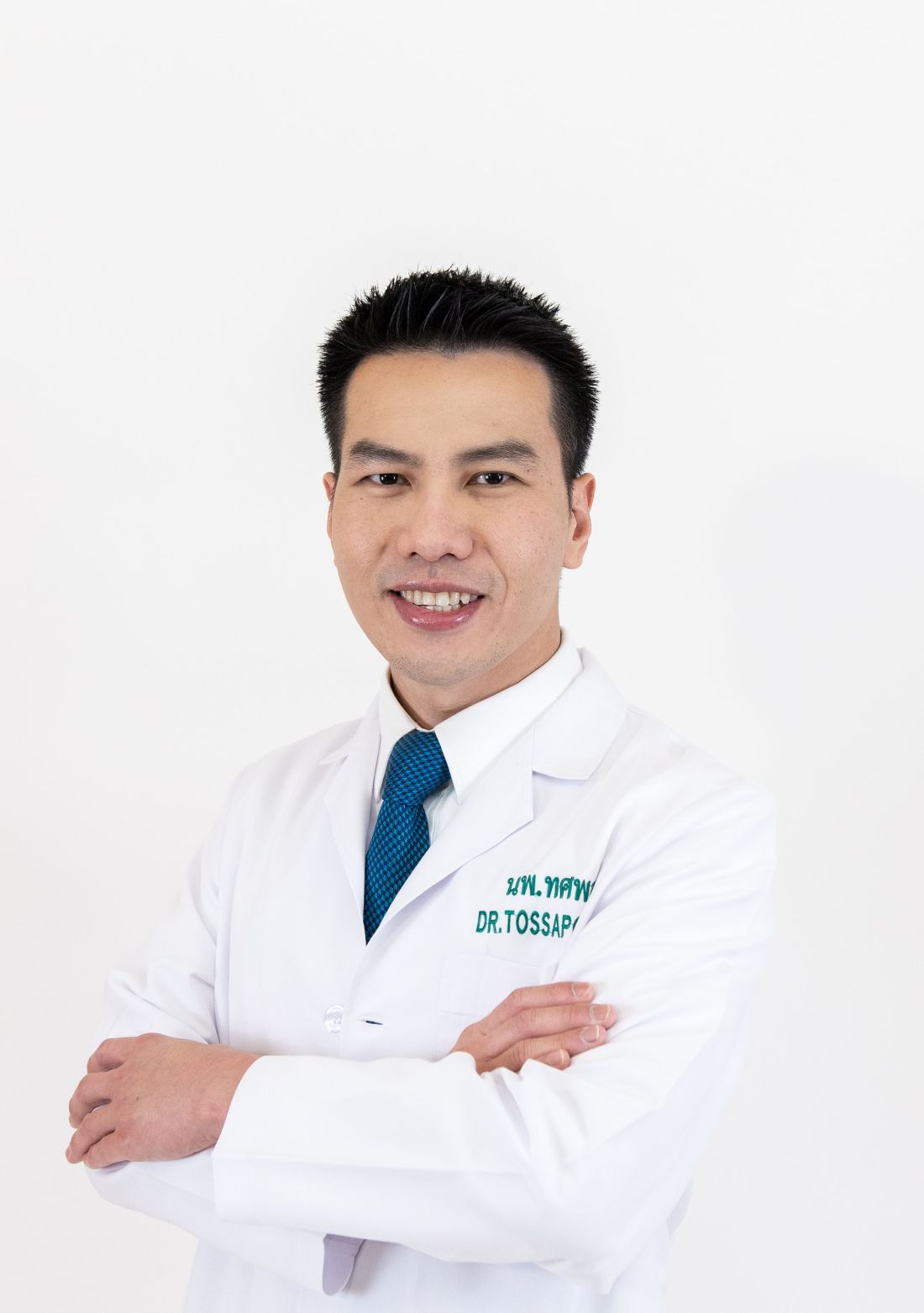
As the COVID-19 crisis unfolded in early 2020, Tossapol Kerdsirichairat, MD, faced another challenge: his mother’s ovarian cancer diagnosis.
“She chose to remain in Thailand, so I decided to relocate to care for her,” said Dr. Kerdsirichairat, an interventional endoscopist who completed fellowships at the University of Michigan, Ann Arbor, and Johns Hopkins University in Baltimore. The move to Bangkok turned out to be one of the best decisions of his life, he said, as he could support his mother while introducing advanced endoscopic techniques and devices to the region.
“Bangkok is a hub for medical innovation in Asia, offering opportunities to work with a diverse patient population and access to cutting-edge technology,” said Dr. Kerdsirichairat, who works at Bumrungrad International Hospital as a clinical associate professor.
The program is the first of its kind in Thailand and one of the few in the Asia-Pacific region.
“I guide patients and families through understanding their risks and implementing preventive strategies, collaborating with multidisciplinary teams to ensure comprehensive care. It’s incredibly rewarding to see the impact of early tumor detection,” said Dr. Kerdsirichairat, an international member of AGA who was a participant in the AGA Young Delegates Program.
He has set several records in Thailand for the smallest tumor detected, including a 0.3-millimeter (mm) esophageal tumor, a 0.8-mm tumor for stomach cancer, a 5-mm pancreatic tumor, and a 1-mm tumor for colon cancer.
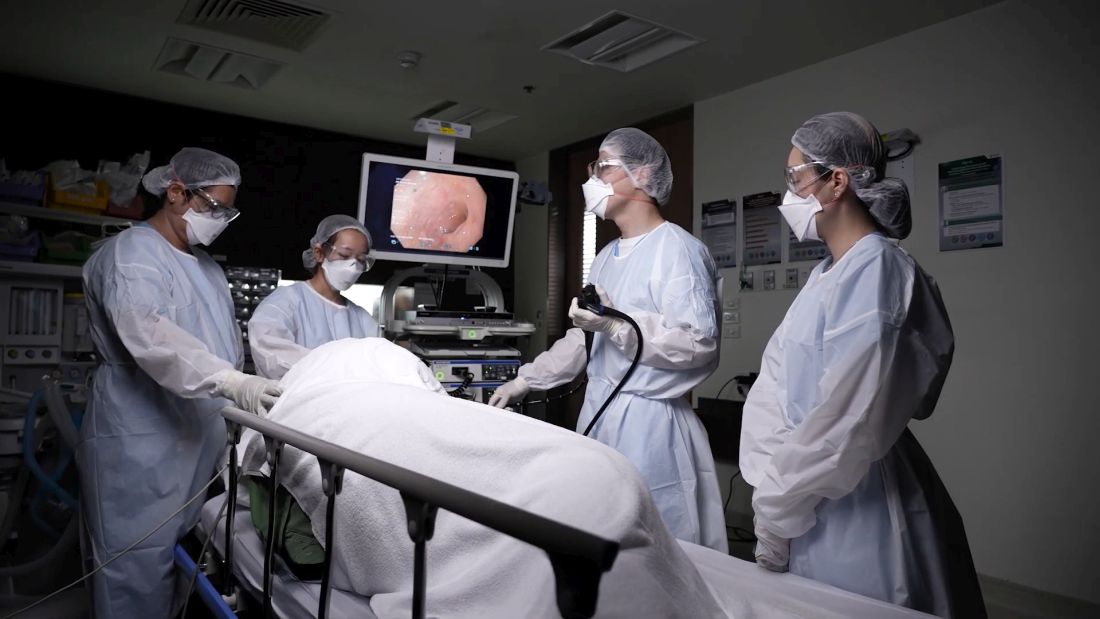
“These were detected through high-standard screening programs, as patients often do not develop symptoms from these subtle lesions,” said Dr. Kerdsirichairat, who discussed in an interview the unique challenges of practicing overseas.
Why did you choose GI?
Gastroenterology is a specialty that uniquely integrates procedural skill, clinical decision making, and a deep understanding of complex biological systems. I was drawn especially to the ability to make a direct and meaningful impact in patients’ lives through advanced endoscopic procedures, while also addressing both acute and chronic diseases, and focusing on cancer prevention. It is incredibly rewarding to perform an endoscopic retrograde cholangiopancreatography (ERCP) for cholangitis and see a patient return to normal the very next day, or to perform an endoscopic ultrasound (EUS) for pancreatic cancer screening in high-risk individuals and detect a sub-centimeter pancreatic tumor.
Realizing that early detection can improve survival by threefold after surgery is a powerful reminder of the difference we can make in patients’ lives. This specialty requires a delicate balance of precision and empathy, which perfectly aligns with my strengths and values as a physician.
You have a wide variety of clinical interests, from endoscopic procedures to cancer research to GERD. What’s your key subspecialty and why?
My primary specialty is advanced endoscopy, which includes techniques such as EUS, ERCP, and endoscopic resection of precancerous and early cancerous lesions. I also focus on cutting-edge, evidence-based techniques recently included in clinical guidelines, such as Transoral Incisionless Fundoplication (TIF). These minimally invasive options allow me to diagnose and treat conditions that once required surgery. The precision and innovation involved in advanced endoscopy enable me to effectively manage complex cases—from diagnosing early cancers to managing bile duct obstructions and resecting precancerous lesions.
Can you describe your work in cancer genetics and screening?
I am deeply committed to the early detection of gastrointestinal cancers, particularly through screening for precancerous conditions and hereditary syndromes. During my general GI training at the University of Michigan, I had the privilege of working with Grace Elta, MD, AGAF, and Michelle Anderson, MD, MSc, renowned experts in pancreatic cancer management. I was later trained by Anne Marie Lennon, PhD, AGAF, who pioneered the liquid biopsy technique for cancer screening through the CancerSEEK project, and Marcia (Mimi) Canto, MD, MHS, who initiated the Cancer of the Pancreas Screening project for high-risk individuals of pancreatic cancer.
I also had the distinction of being the first at Bumrungrad International Hospital to perform endoscopic drainage for pancreatic fluid collections in the setting of multi-organ failure. This endoscopic approach has been extensively validated in the medical literature as significantly improving survival rates compared to surgical drainage. My training in this specialized procedure was conducted under the guidance of the premier group for necrotizing pancreatitis, led by Martin Freeman, MD, at the University of Minnesota.
Later, I contributed to overseeing the Inherited Gastrointestinal Malignancy Clinic of MyCode, a large-scale population-based cohort program focused on cancer screening in Pennsylvania. By December 2024, MyCode had collected blood samples from over 258,000 individuals, analyzed DNA sequences from over 184,000, and provided clinical data that benefits over 142,000 patients. It’s not uncommon for healthy 25-year-old patients to come to our clinic for colon cancer screening after learning from the program that they carry a cancer syndrome, and early screening can potentially save their lives.
What are the key differences between training and practicing medicine in the United States and in an Asian country?
The U.S. healthcare system is deeply rooted in evidence-based protocols and multidisciplinary care, driven by an insurance-based model. In contrast, many Asian countries face challenges such as the dependency on government approval for certain treatments and insurance limitations. Practicing in Asia requires navigating unique cultural, economic, and systemic differences, including varying resource availability and disease prevalence.
What specific challenges have you faced as a GI in Thailand?
As an advanced endoscopist, one of the biggest challenges I faced initially was the difficulty in obtaining the same devices I used in the U.S. for use in Thailand. With support from device companies and mentors in the U.S., I was able to perform groundbreaking procedures, such as the TIF in Southeast Asia and the first use of a full-thickness resection device in Thailand. I am also proud to be part of one of the first few centers worldwide performing the combination of injectable semaglutide and endoscopic sleeve gastroplasty, resulting in a remarkable weight reduction of 44%, comparable to surgical gastric bypass.
In addition, Bumrungrad International Hospital, where I practice, sees over 1.1 million visits annually from patients from more than 190 countries. This offers a unique opportunity to engage with a global patient base and learn from diverse cultures. Over time, although the hospital has professional interpreters for all languages, I have become able to communicate basic sentences with international patients in their preferred languages, including Chinese, Japanese, and Arabic, which has enriched my practice.
What’s your favorite thing to do when you’re not practicing GI?
I enjoy traveling, exploring new cuisines, and spending quality time with family and friends. These activities help me recharge and offer fresh perspectives on life.
Lightning Round
Texting or talking?
Talking. It’s more personal and meaningful.
Favorite city in the U.S.?
Ann Arbor, Michigan
Cat or dog person?
Dog person
Favorite junk food?
Pizza
How many cups of coffee do you drink per day?
Two – just enough to stay sharp, but not jittery.
If you weren’t a GI, what would you be?
Architect
Best place you went on vacation?
Kyoto, Japan
Favorite sport?
Skiing
Favorite ice cream?
Matcha green tea
What song do you have to sing along with when you hear it?
“Everybody” by Backstreet Boys
Favorite movie or TV show?
Forrest Gump and Friends
Optimist or pessimist?
Optimist. I believe in focusing on solutions and possibilities.
Summary content
7 Key Takeaways
-
1
Developed a paper-based colorimetric sensor array for chemical threat detection.
-
2
Can detect 12 chemical agents, including industrial toxins.
-
3
Production cost is under 20 cents per chip.
-
4
Utilizes dye-loaded silica particles on self-adhesive paper.
-
5
Provides rapid, simultaneous identification through image analysis.
-
6
Inspired by the mammalian olfactory system for pattern recognition.
-
7
Future developments include a machine learning-enabled reader device.
The guidelines emphasize four-hour gastric emptying studies over two-hour testing. How do you see this affecting diagnostic workflows in practice?
Dr. Staller: Moving to a four-hour solid-meal scintigraphy will actually simplify decision-making. The two-hour reads miss a meaningful proportion of delayed emptying; standardizing on four hours reduces false negatives and the “maybe gastroparesis” purgatory that leads to repeat testing. Practically, it means closer coordination with nuclear medicine (longer slots, consistent standardized meal), updating order sets to default to a four-hour protocol, and educating front-line teams so patients arrive appropriately prepped. The payoff is fewer equivocal studies and more confident treatment plans.
Metoclopramide and erythromycin are the only agents conditionally recommended for initial therapy. How does this align with what is being currently prescribed?
Dr. Staller: This largely mirrors real-world practice. Metoclopramide remains the only FDA-approved prokinetic for gastroparesis, and short “pulsed” erythromycin courses are familiar to many of us—recognizing tachyphylaxis limits durability. Our recommendation is “conditional” because the underlying evidence is modest and patient responses are heterogeneous, but it formalizes what many clinicians already do: start with metoclopramide (lowest effective dose, limited duration, counsel on neurologic adverse effects) and reserve erythromycin for targeted use (exacerbations, bridging).
Several agents, including domperidone and prucalopride, received recommendations against first-line use. How will that influence discussions with patients who ask about these therapies?
Dr. Staller: Two points I share with patients: evidence and access/safety. For domperidone, the data quality is mixed, and US access is through an FDA IND mechanism; you’re committing patients to EKG monitoring and a non-trivial administrative lift. For prucalopride, the gastroparesis-specific evidence isn’t strong enough yet to justify first-line use. So, our stance is not “never,” it’s just “not first.” If someone fails or cannot tolerate initial therapy, we can revisit these options through shared decision-making, setting expectations about benefit, monitoring, and off-label use. The guideline language helps clinicians have a transparent, evidence-based conversation at the first visit.
The guidelines suggest reserving procedures like G-POEM and gastric electrical stimulation for refractory cases. In your practice, how do you decide when a patient is “refractory” to medical therapy?
Dr. Staller: I define “refractory” with three anchors.
1. Adequate trials of foundational care: dietary optimization and glycemic control; an antiemetic; and at least one prokinetic at appropriate dose/duration (with intolerance documented if stopped early).
2. Persistent, function-limiting symptoms: ongoing nausea/vomiting, weight loss, dehydration, ER visits/hospitalizations, or malnutrition despite the above—ideally tracked with a validated instrument (e.g., GCSI) plus nutritional metrics.
3. Objective correlation: delayed emptying on a standardized 4-hour solid-meal study that aligns with the clinical picture (and medications that slow emptying addressed).
At that point, referral to a center with procedural expertise for G-POEM or consideration of gastric electrical stimulation becomes appropriate, with multidisciplinary evaluation (GI, nutrition, psychology, and, when needed, surgery).
What role do you see dietary modification and glycemic control playing alongside pharmacologic therapy in light of these recommendations?
Dr. Staller: They’re the bedrock. A small-particle, lower-fat, calorie-dense diet—often leaning on nutrient-rich liquids—can meaningfully reduce symptom burden. Partnering with dietitians early pays dividends. For diabetes, tighter glycemic control can improve gastric emptying and symptoms; I explicitly review medications that can slow emptying (e.g., opioids; consider timing/necessity of GLP-1 receptor agonists) and encourage continuous glucose monitor-informed adjustments. Pharmacotherapy sits on top of those pillars; without them, medications will likely underperform.
The guideline notes “considerable unmet need” in gastroparesis treatment. Where do you think future therapies or research are most urgently needed?
Dr. Staller: I see three major areas.
1. Truly durable prokinetics: agents that improve emptying and symptoms over months, with better safety than legacy options (e.g., next-gen motilin/ghrelin agonists, better-studied 5-HT4 strategies).
2. Endotyping and biomarkers: we need to stop treating all gastroparesis as one disease. Clinical, physiologic, and microbiome/omic signatures that predict who benefits from which therapy (drug vs G-POEM vs GES) would transform care.
3. Patient-centered trials: larger, longer RCTs that prioritize validated symptom and quality-of-life outcomes, include nutritional endpoints, and reflect real-world medication confounders.
Our guideline intentionally highlights these gaps to hopefully catalyze better trials and smarter referral pathways.
Dr. Staller is with the Division of Gastroenterology, Massachusetts General Hospital and Harvard Medical School, Boston.