Patients with inflammatory bowel disease (IBD) in stable remission can discontinue thiopurine therapy when transitioning from intravenous (IV) to subcutaneous (SC) infliximab without an increased risk of clinically significant antidrug antibodies, according to results of the MINIMISE trial presented at Digestive Disease Week® (DDW) 2026.
In the multicenter randomized controlled trial, thiopurine withdrawal was noninferior to continuation for the primary endpoint of clearing antidrug antibody development at 24 weeks, with a between-group difference of −2.4% (95% CI, −12.3 to 5.4; P = .46). One of 41 evaluable patients in the withdrawal arm developed free antidrug antibodies, compared with none of 47 patients who continued thiopurines.
Combining thiopurines with intravenous infliximab is known to reduce immunogenicity, but whether the same strategy is needed with the subcutaneous formulation has not previously been tested in a randomized trial. Subanalyses from registration studies have suggested subcutaneous infliximab may itself carry a lower risk of antidrug antibody development.
Study design
Investigators enrolled 102 patients with IBD — 63 with Crohn's disease, 39 with ulcerative colitis, and five with IBD-unclassified — who had been in stable clinical remission on combination therapy for at least 22 weeks. Eligible patients were receiving intravenous infliximab at stable doses of up to five mg/kg every four weeks or 10 mg/kg every eight weeks, had therapeutic drug levels at screening, and were on a thiopurine. Participants were stratified by HLA DQA1*05 status, a genetic marker linked to immunogenicity risk, and randomly assigned to continue or discontinue their thiopurine after switching to subcutaneous infliximab.
The primary outcome was the proportion of patients who developed clearing antidrug antibodies — detectable antibodies in the absence of detectable drug — at week 24. The noninferiority design was powered to detect a 15% difference, with 88 evaluable patients required.
Results
Of the 102 randomized patients, 88 were evaluable for the primary outcome. A sensitivity analysis incorporating samples from early withdrawals and patients who provided late week-24 samples did not change the result.
Secondary measures supported the primary finding. Median infliximab drug levels at weeks eight, 16, and 24 were 15.5, 17.7, and 18.4 µg/mL in the continuation arm versus 17.0, 15.5, and 15.1 µg/mL in the withdrawal arm. Total positive antidrug antibodies were detected in 21%, 22%, and 20% of patients in the continuation arm at those same time points, compared with 12%, 15%, and 18% in the withdrawal arm. HLA DQA1*05 status did not affect drug levels or antibody formation in either arm.
There were no significant between-group differences in clinical disease activity (Harvey-Bradshaw Index >4 or Simple Clinical Colitis Activity Index >2), biomarker activity (fecal calprotectin >250 µg/g or CRP >5 mg/L), or combined clinical and biomarker activity at week 24. Thioguanine nucleotide concentrations remained stable from baseline to week 24 in patients who continued thiopurines, suggesting adherence was maintained in the comparator arm.
Adverse events were uncommon. One patient in the withdrawal arm reverted to intravenous infliximab. In the continuation arm, one patient was admitted with pneumonia, and one developed a basal cell carcinoma.
The authors concluded that IBD patients in stable remission on combination therapy with IV infliximab and a thiopurine can be safely switched to subcutaneous infliximab without continuing the thiopurine to prevent antidrug antibody formation.
Limitations
The study was powered to a 15% noninferiority margin and followed patients for 24 weeks. Longer-term durability of remission and immunogenicity outcomes were not assessed. Results apply to patients in stable remission on therapeutic drug levels at the time of switch and may not generalize to patients with active disease or sub-therapeutic levels.
Dr. Mir did not report any disclosures.
DDW is AGA's annual meeting, jointly sponsored by AGA, AASLD, ASGE, and SSAT. Learn more at ddw.org.
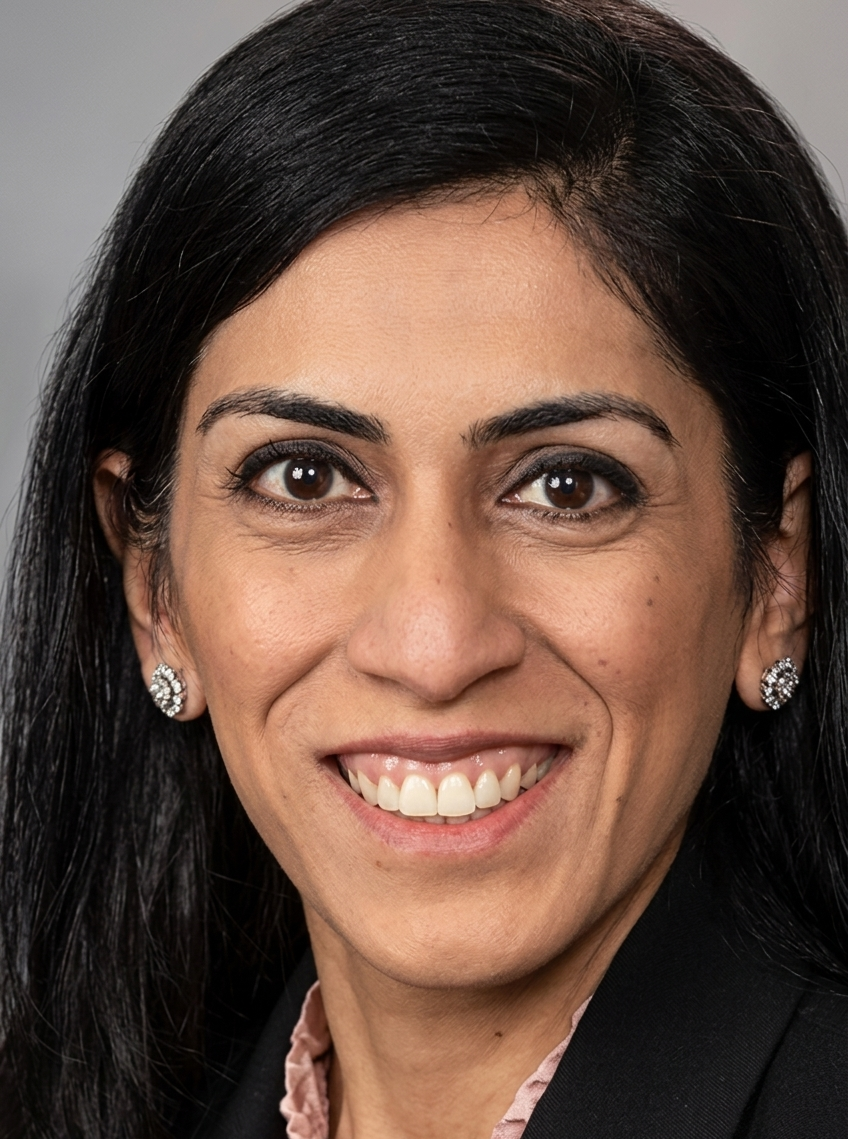
Expert Insight
GI & Hepatology News invited study coauthor Fazia Mir, MD, to comment on the study’s findings.
Why does this study matter?
The MINIMISE study is important because it addresses a very practical question in IBD management: when patients switch from IV infliximab to SC infliximab, do they still need to stay on thiopurines? Thiopurines long-term use carries risks such as infections, lymphoma, and skin cancer. The study showed that stopping thiopurines after switching to SC infliximab was noninferior to continuing the drug thereby giving us the ability to go for monotherapy after switching to SC infliximab.
Is there anything surprising about the data?
I noted how low the immunogenicity rates were overall. Only one patient in the thiopurine withdrawal arm developed free anti-drug antibodies, while none did in the continuation arm. Infliximab levels remained high despite thiopurine withdrawal and HLA DQA1*05 mutation did not have any issues either after thiopurine withdrawal.
How might the findings influence clinical practice?
These findings give IBD-ologists confidence to discontinue thiopurines and maintain them on monotherapy if their disease is stable.
Is there anything else you'd like to add about this work?
It is a randomized controlled trial but with short (24-week) follow up. Longer follow up data is needed to validate the study further.