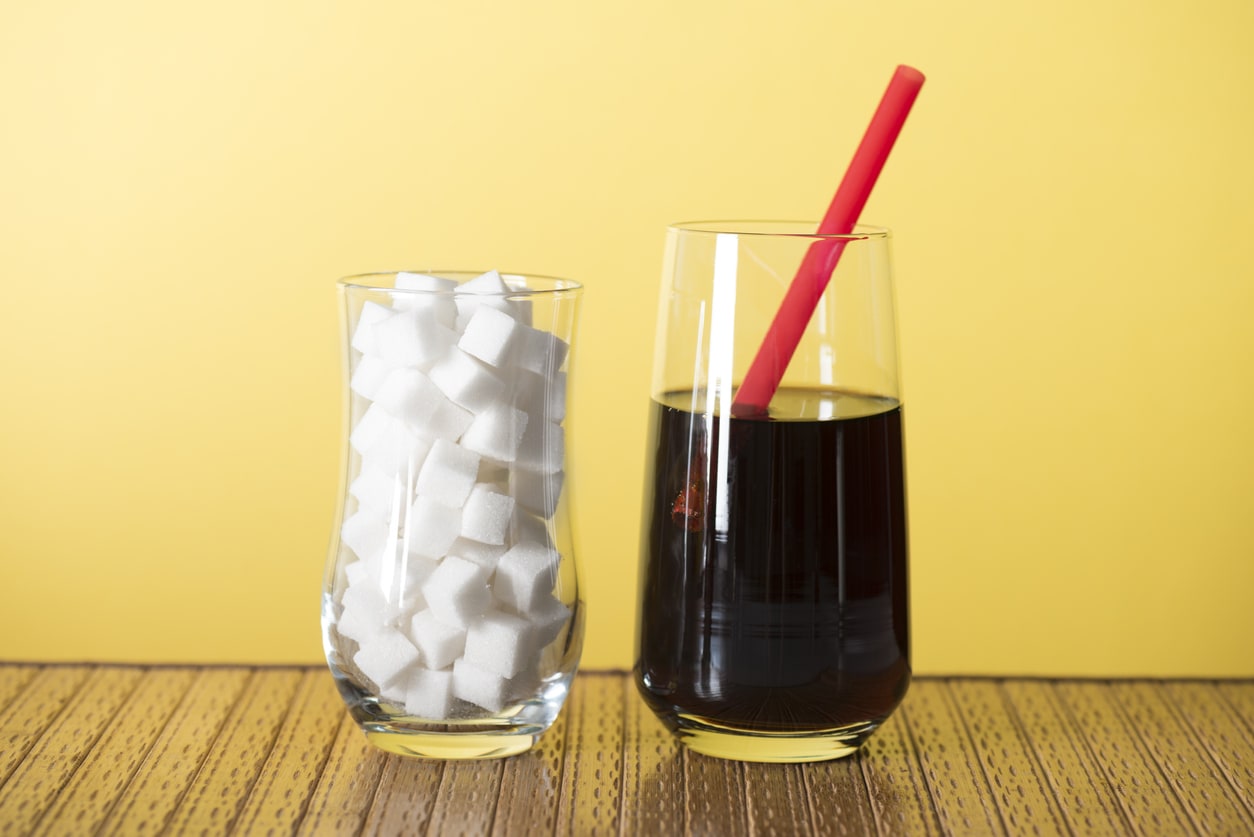
More than one sugary drink a day tied to double gastric cancer risk
-
August 21
“If this association holds up in future research, it means there may be a meaningful, actionable way for people to lower their risk of a cancer that is often diagnosed late and is difficult to treat.”
BROWSE BY TOPICS
 Esophagus
 Pancreas
 Biliary tract
 Small bowel
 Colon
Colon
 Stomach
-
 Obesity
-
 Alcohol-related liver disease
-
 Biliary tract cancer
-
 Colorectal cancer
-
 Esophageal cancer
-
 Liver cancer
-
 Celiac disease
-
 Cirrhosis
-
 Diarrhea and constipation
-
 Diet and nutrition
-
 Eosinophilic GI diseases
-
 Eosinophilic esophagitis
-
 Hepatic encephalopathy
-
 IBD
IBD
-
 Crohn's disease
-
 Ulcerative colitis
-
 IBS
IBS
-
 Infections
-
 C. diff
-
 MASLD and MASH
-
 Short bowel syndrome
-
 Pancreatic diseases and conditions
-
 GERD and Barrett’s esophagus
 Career & professional development
 Diversity, equity, and inclusion
 Health, wellness, and burnout
 Patient advocacy and equity
 Practice management
 Coding, coverage, and reimbursement
 Technology & innovation
 Endoscopy

Substance use disorders in gastroenterology and hepatology: A practical guide for the general gastroenterologist
-
August 3
-
by Isabelle S. Byers, MD, Michelle Russin, MD, Sasha Deutsch-Link, MD, MSCR
GI and liver complications often bring these patients in first, and the authors say gastroenterologists are well placed to screen and treat.
Bridging the rural divide: Building a motility center in a critical access hospital
-
August 3
-
by Amber Charoen, MD, W. Michael McDonnell, MD, AGAF
“If large urban centers can run comprehensive motility labs, why can't a critical access hospital?”
Is professional coaching worth it? A practical guide for early-career gastroenterologists
-
August 3
-
by Mariam Naveed, MD, FACG, Kathryn E. Hutchins, MD, FACG
Two program directors on why coaching belongs at the start of a GI career, not after something has already gone wrong.
The Latest
A tribute to our readers: A farewell from TNG's editor-in-chief
-
by Judy A. Trieu, MD, MPH
After four years leading The New Gastroenterologist, Judy A. Trieu, MD, MPH, signs off with a final issue on substance use disorders, behavioral health, coaching, and social media ethics.

More than one sugary drink a day tied to double gastric cancer risk
-
by Doug Brunk
“If this association holds up in future research, it means there may be a meaningful, actionable way for people to lower their risk of a cancer that is often diagnosed late and is difficult to treat.”
Consensus panel: post-ESD pathology reports should assess risk, not just confirm cancer
-
by Meg Barbor
Forty-two experts from 15 countries issued 56 recommendations on invasion depth, margins, and tumor budding to guide what happens after resection.

Rome V criteria capture more people with IBS, but a milder group
-
by Doug Brunk
Seventy percent of UK registry participants met the revised criteria vs. 59% under Rome IV, but those Rome V excluded had far more severe symptoms, more psychological comorbidity and higher costs.

Panel proposes new criteria for acute severe UC
-
by Doug Brunk
“They ‘look’ less sick, but they are actually much sicker than the patients with ASUC in 1955,” said senior author Peter D.R. Higgins, MD, PhD, MSc.