Disorders of gut-brain interaction (DGBI) are commonly encountered in gastroenterology (GI) practice and can pose a therapeutic challenge for providers with limited access to behavioral health resources. DGBI affect over 40% of the global population and account for at least one-third of GI consultations.1,2 These disorders are characterized by dysfunction of the gut-brain axis — a bidirectional communication network including neuroendocrine, immune, and microbiome pathways between the central nervous system and GI tract.3 Treatment involves a multimodal approach including a therapeutic patient-provider relationship, brain-gut behavior therapy (BGBT), and pharmacotherapy. Although robust evidence supports brain-gut behavior therapies, few gastroenterologists receive dedicated training in these interventions, and access to GI health psychologists (GHP) is very limited.4 In this article, we provide an overview of how gastroenterologists can integrate simple, high-yield behavioral health principles into their practices and when to refer to a GHP.
Building a therapeutic relationship
Building a strong patient-provider therapeutic relationship is a cornerstone of DGBI treatment. Perceived stigma among patients is common. In one study, 45% of individuals with irritable bowel syndrome (IBS) felt their condition was not taken seriously, and 31% were told that the disease was “all in their head.”5 Shame was also associated with bowel symptom severity and poor patient-reported outcomes.6 Unfortunately, many providers also demonstrate negative attitudes towards patients with DGBI, which can become a barrier in building a therapeutic relationship; commonly cited reasons include frustration with medical uncertainty and significant emotional toll in caring for this population.5
Aligning with patients early can reduce patient fears and build a strong, therapeutic foundation. This can be achieved through several strategies. First, clinicians should consistently employ empathetic, patient-centered communication. Next, patients should be educated on the brain-gut axis early using clear, accessible language. The software vs. hardware analogy can be helpful (i.e., “If you think of your gut like a computer, the hardware (organs) is intact, but the software (brain-gut communication) isn’t working properly. This can cause real symptoms without structural abnormalities showing up on tests.”)7 Lastly, providers should set realistic expectations for treatment. Most patients with DGBI will not achieve complete symptom relief. Focusing on improving function and quality of life can set realistic expectations and maintain patient engagement.
Conducting a psychosocial assessment
Up to two-thirds of patients with DGBI have a major psychological disorder. Early, efficient psychosocial screening can help diagnose concurrent disorders among patients with DGBI and guide treatment plans.8 Validated screening tools, such as Patient Health Questionnaire-9 (PHQ-9), General Anxiety Disorder-7 (GAD-7), and Primary Care Post-Traumatic Stress Disorder Screen for DSM-5 (PC-PTSD-5), are often used to assess presence and severity of comorbid psychiatric conditions and can be completed virtually before the visit.9-11 During the visit, informal, open-ended questions should be used to assess other important domains, including symptom-specific anxiety, illness-coping behaviors, and impact on quality of life. Helpful prompts are detailed by Ballou et al.; examples include “Do you think or worry quite a bit about your symptoms?” and “Do you make significant efforts to avoid certain situations because of your symptoms?”12 Adopting this biopsychosocial model can help clinicians strengthen patient-provider relationships and introduce BGBT early.
Introducing behavioral techniques
Although most gastroenterologists do not receive formal training in brain-gut behavior therapy, several simple techniques can easily be introduced during clinic visits. Diaphragmatic breathing, for example, involves slow breathing using the diaphragm at a rate of approximately 6 breaths/minute with prolonged exhalation; adopting this technique for 20-30 minutes daily has demonstrated efficacy in decreasing bloating/distention, belching, and IBS symptoms.13 Demonstrating this technique during an office visit is quick, simple, and low-cost. Stress mitigation techniques, including regular exercise and sleep hygiene, should also be discussed. Although there are no official exercise recommendations, patients with IBS who engaged in a moderate-intensity aerobic exercise program (150-180 minutes per week over 12 weeks, reaching 60%-75% of maximum heart rate) demonstrated significant improvements in abdominal symptoms.14
Recommending digital therapeutics
Novel digital therapeutics can provide brain-gut behavior therapy for patients who cannot access GI health psychologists or are limited by cost and time investment. Clinicians must screen for appropriateness prior to recommending these tools — individuals with severe psychological disorders (anxiety, depression, obsessive compulsive disorder, or PTSD), eating disorders, or substance misuse are not eligible and should be referred to a GI psychologist instead.15 Adult patients with high technological literacy and no severe psychological comorbidities are appropriate candidates for digital therapeutics.
There are two main categories of digital therapeutics for patients with IBS: FDA-cleared prescription apps and direct-to-consumer apps.15 Mahana IBS is an FDA-cleared prescription app that provides cognitive behavior therapy over 10 sessions and can be prescribed for adults ≥22 years old with IBS.16 Program completion was associated with a significant decrease in IBS symptom severity.16 Nerva is a popular direct-to-consumer app and provides gut-directed hypnotherapy (42 sessions over 6 weeks).17 In one trial, 81% of patients (compared with 63% of controls) achieved clinically meaningful improvement in IBS symptom scores after program completion.17 Unfortunately, adherence to digital therapeutics tends to be low (i.e., 19% for Mahana IBS), but rates improve when apps are prescribed by the patient’s provider.16 Assessment of app usage and symptom response during follow-up clinic visits can also help bolster adherence.
Referring to a GI health psychologist
Knowing when to refer to a GI health psychologist is an important part of managing patients with DGBI. As mentioned above, those with severe psychological disorders, eating disorders, or substance use should be referred to a GHP. Patients with complex presentations (i.e., trauma history) would also benefit from an individualized assessment and treatment plan from a trained psychologist.15 Lastly, patients with limited insight into the brain-gut connection, lack of commitment to digital therapeutics, or low digital literacy should also receive a referral.15
Finding a GHP can be difficult, but accessibility is significantly improving with telehealth. Providers can use registries such as the Rome Foundation GastroPsych Directory, which allows individuals to search for trained psychologists within a specific city or ZIP code.18 Nearby academic hospitals often employ GI psychologists who can take referrals from community gastroenterologists. Psychiatric associations can also be contacted for psychologists familiar with evidence-based BGBT.
Summary
Adopting these key strategies can help gastroenterologists, especially those without easy access to GI psychologists, provide excellent care for individuals with DGBI. Incorporating behavioral health into clinic visits through introducing the brain-gut axis and conducting a brief psychosocial assessment is efficient and effective. A basic framework including these steps is outlined in Figure 1, and examples of helpful patient-centered language are included in Table 1. This framework can also help clinicians identify individuals who may benefit from digital therapeutics and those who should receive further care from a GHP. Overall, integrating these principles into clinical practice will ensure individuals with DGBI receive comprehensive, evidence-based care.
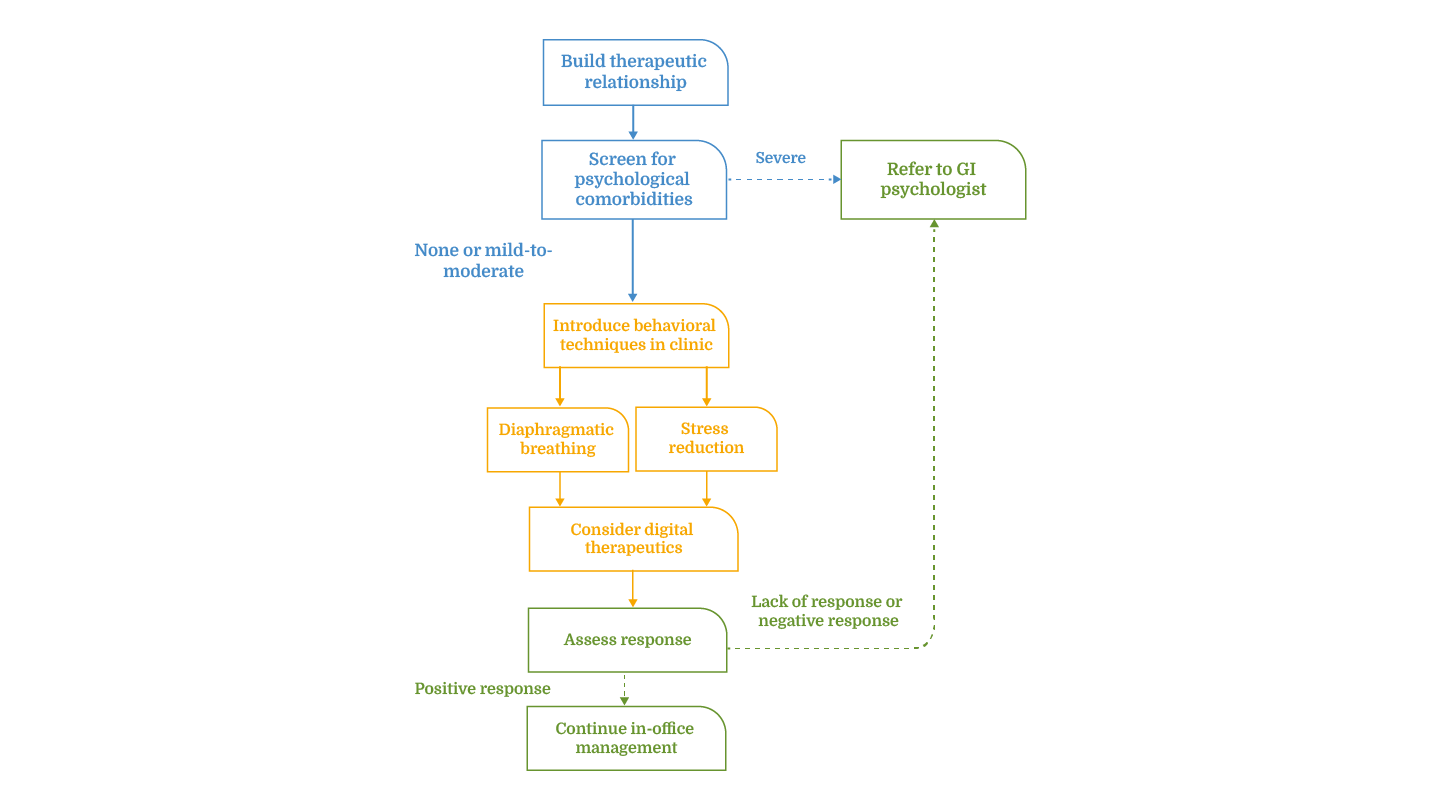
Table 1. Patient-centered language for key moments in DGBI care.
Key moment | Patient-centered language | Reference |
|---|---|---|
Introducing the brain-gut axis | “If you think of your gut like a computer, the hardware (organs) is intact, but the software (brain-gut communication) isn’t working properly. This can cause real symptoms without structural abnormalities showing up on tests.” | Post et al. (2023)7 |
Screening for psychological comorbidities | “Mood changes or stress can often affect a patient’s GI symptoms. I’d like to ask you some questions about your medical history and mood so we can make sure we’re treating the whole picture.” | Lacy et al. (2021)19 |
Introducing behavioral techniques | “Some of the most effective therapies for treating your condition work on the brain-gut connection. Examples include targeted breathing techniques and incorporation of exercise into your daily life.” | Keefer et al. (2018)20 |
Introducing digital therapeutics | “Digital therapeutics are effective options and can help you easily access care through your phone. These are also great alternatives if you are having difficulty accessing a psychologist. Let’s talk through a couple options and the evidence behind them.” | Brenner et al. (2024)15 |
Referring to a GI psychologist | “I’d like to connect you with a psychologist who specializes in digestive health. This is a specialist who understands the brain-gut connection and can provide additional support. I will still be a part of your care team, and we’ll work together.” | Keefer et al. (2018)20 |
Dr. Penumalee is based in the Internal Medicine Residency Program at Northwestern University Feinberg School of Medicine, Chicago, Illinois. Dr. Kia is based in the Division of Gastroenterology and Hepatology at the same institution. The authors thank Dr. Anjali Pandit and the behavioral medicine team at the Digestive Health Institute of Northwestern University for their assistance. The authors report no conflicts of interest.
References
Sperber AD et al. Worldwide prevalence and burden of functional gastrointestinal disorders, results of Rome Foundation Global Study. Gastroenterology. 2021 Jan. doi: 10.1053/j.gastro.2020.04.014
Black CJ et al. Functional gastrointestinal disorders: advances in understanding and management. Lancet. 2020 Nov. doi: 10.1016/S0140-6736(20)32115-2
Cryan JF et al. The microbiota-gut-brain axis. Physiol Rev. 2019 Oct. doi: 10.1152/physrev.00018.2018
Hung KW et al. AGA Institute quality indicator development for irritable bowel syndrome. Gastroenterology. 2025 Jan. doi: 10.1053/j.gastro.2024.11.003
Hearn M et al. Stigma and irritable bowel syndrome: a taboo subject? Lancet Gastroenterol Hepatol. 2020 Jun. doi: 10.1016/S2468-1253(19)30348-6
Trindade IA et al. Implications of shame for patient-reported outcomes in bowel disorders of gut-brain interaction. Gastroenterology. 2026 Feb. doi: 10.1053/j.gastro.2025.06.030
Post Z et al. Overview of the gut-brain axis: from gut to brain and back again. Semin Neurol. 2023 Aug. doi: 10.1055/s-0043-1771464
Luo Y and Keefer L. Role of psychological questionnaires in clinical practice and research within functional gastrointestinal disorders. Neurogastroenterol Motil. 2021 Dec. doi: 10.1111/nmo.14297
Prins A et al. The Primary Care PTSD Screen for DSM-5 (PC-PTSD-5): development and evaluation within a veteran primary care sample. J Gen Intern Med. 2016 Oct. doi: 10.1007/s11606-016-3703-5
Kroenke K et al. The PHQ-9: validity of a brief depression severity measure. J Gen Intern Med. 2001 Sep. doi: 10.1046/j.1525-1497.2001.016009606.x
Spitzer RL et al. A brief measure for assessing generalized anxiety disorder: the GAD-7. Arch Intern Med. 2006 May. doi: 10.1001/archinte.166.10.1092
Ballou S et al. A primer for the gastroenterology provider on psychosocial assessment of patients with disorders of gut-brain interaction. Neurogastroenterol Motil. 2024 Dec. doi: 10.1111/nmo.14894
Liu J et al. Slow, deep breathing intervention improved symptoms and altered rectal sensitivity in patients with constipation-predominant irritable bowel syndrome. Front Neurosci. 2022 Nov. doi: 10.3389/fnins.2022.1034547
Bianco A et al. Enhanced physical capacity and gastrointestinal symptom improvement in southern Italian IBS patients following three months of moderate aerobic exercise. J Clin Med. 2023 Oct. doi: 10.3390/jcm12216786
Brenner DM et al. Development and current state of digital therapeutics for irritable bowel syndrome. Clin Gastroenterol Hepatol. 2024 Feb. doi: 10.1016/j.cgh.2023.09.013
Pathipati MP et al. Real-world outcomes for a digital prescription mobile application for adults with irritable bowel syndrome. Neurogastroenterol Motil. 2024 Jul. doi: 10.1111/nmo.14811
Anderson EJ et al. Comparison of digitally delivered gut-directed hypnotherapy program with an active control for irritable bowel syndrome. Am J Gastroenterol. 2025 Feb. doi: 10.14309/ajg.0000000000002921
Rome Foundation. Rome GI Psych. Accessed July 7, 2026. https://romegipsych.org/
Lacy BE et al. ACG clinical guideline: management of irritable bowel syndrome. Am J Gastroenterol. 2021 Jan. doi: 10.14309/ajg.0000000000001036
Keefer L et al. Best practice update: incorporating psychogastroenterology into management of digestive disorders. Gastroenterology. 2018 Apr. doi: 10.1053/j.gastro.2018.01.045