Patients with chronic hepatitis B who cleared hepatitis B surface antigen had a reduced but persistent risk of hepatocellular carcinoma, with long-term risk varying substantially by age, sex, cirrhosis status, and other risk factors, according to findings published in Gastroenterology.
The results suggest clinicians may be able to move toward more individualized hepatocellular carcinoma (HCC) surveillance after hepatitis B surface antigen (HBsAg) seroclearance, particularly for younger patients without cirrhosis or additional risk factors.
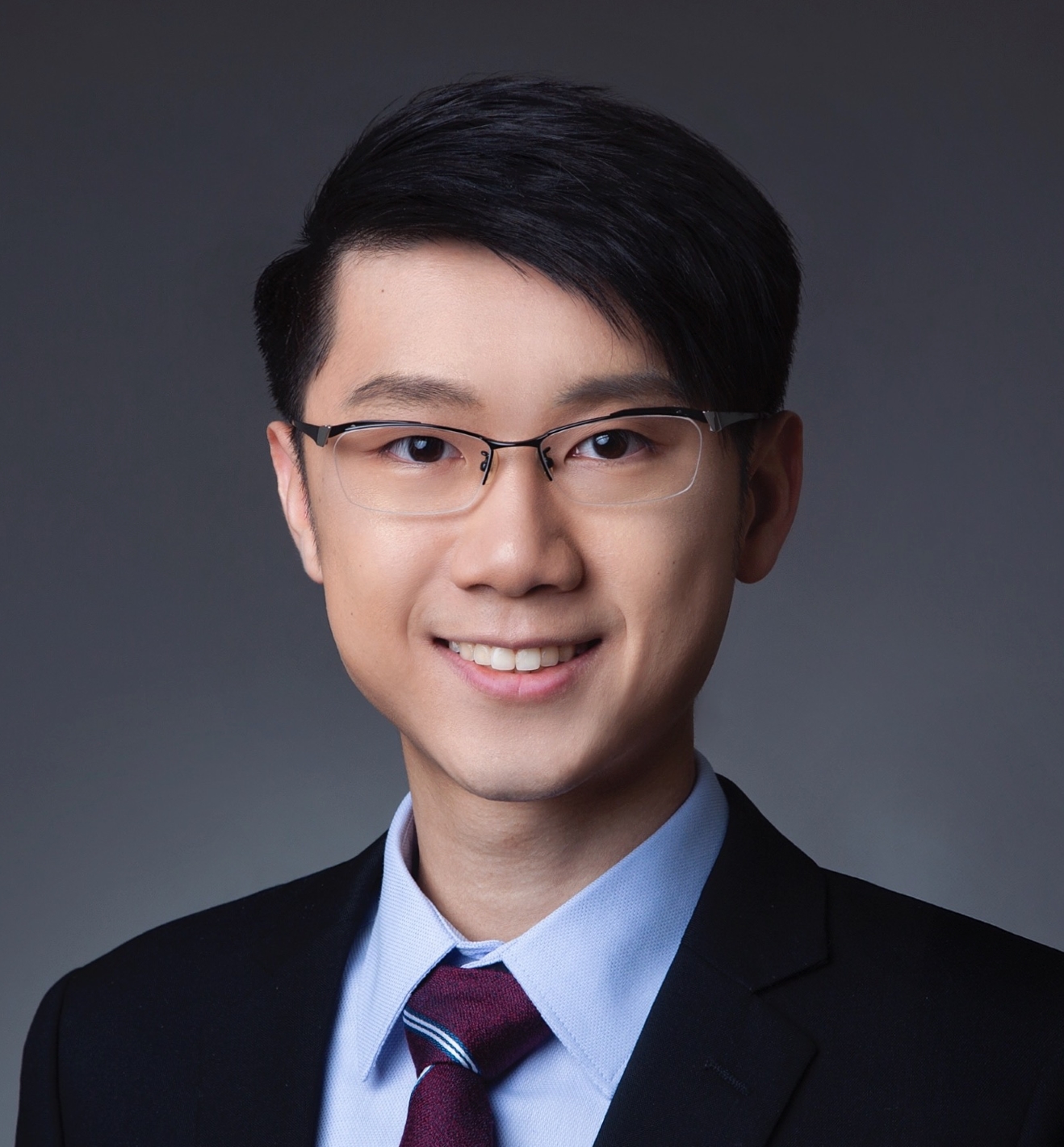
“HBsAg seroclearance substantially reduces but does not eliminate the risk of hepatocellular carcinoma,” said study author Terry Cheuk-Fung Yip, PhD, associate professor in the Department of Medicine and Therapeutics and co-director of data science at the Chinese University of Hong Kong Medical Data Analytics Centre. “Long-term risk varies markedly according to the patient’s age at seroclearance, sex, cirrhosis status and other risk factors.”
HBsAg seroclearance, defined as the loss of detectable HBsAg in serum, is widely regarded in guidelines as a functional cure of chronic hepatitis B, but Dr. Yip cautioned that it should not be viewed as a complete removal of HCC risk.
The retrospective cohort study used data from the Clinical Data Analysis and Reporting System, Hong Kong Cancer Registry, and Hong Kong Census and Statistics Department. Investigators identified adults with chronic hepatitis B who cleared HBsAg between 2000 and 2022 and compared their HCC incidence with age- and sex-specific rates in the general population.
The primary analysis included 13,379 patients with chronic hepatitis B who achieved HBsAg seroclearance. At seroclearance, mean age was 59.7 years, 59.8% of patients were men, 14.6% had cirrhosis, and 29.6% had diabetes. Patients were followed until HCC diagnosis, death, 15 years of follow-up, or Dec. 31, 2024.
During a median follow-up of 5.6 years, HCC developed in 274 patients, or 2.0% of the cohort.
Risk varied by cirrhosis and age
Patients with cirrhosis remained at higher risk after HBsAg seroclearance. Annual HCC incidence was 0.43% among patients with cirrhosis who were younger than 50 years at seroclearance and 0.62% among those aged 50 years or older.
By contrast, patients without cirrhosis who cleared HBsAg before age 50 had an annual HCC incidence of 0.03%, comparable with the age- and sex-matched general population. Among patients without cirrhosis who cleared HBsAg at age 50 or older, the annual incidence was 0.18%.
“In our cohort, patients without cirrhosis who cleared HBsAg at a young age, particularly men before age 40 and women before age 50, had a very low HCC incidence and may not require routine surveillance in the absence of additional risk factors,” Dr. Yip said.
Among patients without cirrhosis, annual HCC incidence was 0.02% among men younger than 40 years and 0.09% among men aged 40 to 49 years. No HCC cases were observed during up to 15 years of follow-up among 1,317 women without cirrhosis who cleared HBsAg before age 50. Among women without cirrhosis aged 50 to 59 years at HBsAg loss, annual HCC incidence was 0.06%.
The authors noted that HCC surveillance is generally considered cost-effective at an annual incidence of at least 1% in patients with cirrhosis and at least 0.2% in patients without cirrhosis.
Risk factors still mattered after HBsAg loss
In multivariable analysis, HCC risk after seroclearance was independently associated with HBsAg seroreversion, older age, male sex, cirrhosis, diabetes, and treatment-induced rather than spontaneous HBsAg seroclearance.
Dr. Yip said patients with cirrhosis should continue long-term surveillance regardless of age at HBsAg seroclearance. Surveillance should also remain a strong consideration for patients who clear HBsAg later in life, particularly men aged 40 years or older and women aged 50 years or older, and for patients with additional risk factors such as diabetes, excessive alcohol use, PAGE-B score of at least 10, or HBsAg seroreversion.
“Treatment-induced rather than spontaneous seroclearance was also associated with higher HCC risk, although this finding should be carefully interpreted in the context of underlying disease severity and other clinical factors,” Dr. Yip said.
PAGE-B and modified PAGE-B scores also remained predictive after HBsAg seroclearance. In the overall cohort, 15-year cumulative HCC incidence was 0.59% among patients with low PAGE-B risk, 2.82% among those with intermediate risk, and 6.79% among those with high risk. Among patients without cirrhosis, the corresponding 15-year cumulative incidences were 0.41%, 2.04%, and 4.24%.
The authors say the findings support continued surveillance for higher-risk groups, while suggesting that routine surveillance may be unnecessary for men who clear HBsAg before age 40 and women who clear it before age 50 without cirrhosis or additional risk factors.
Cautions and next steps
The study had several limitations. It was an observational database study conducted predominantly in a Hong Kong population, and the proposed risk thresholds need validation in other ethnic and health care settings. Cirrhosis was identified using clinical codes, laboratory-based fibrosis indices, and procedure records, so some patients may have had unrecognized cirrhosis or misclassification.
Several potentially relevant factors were unavailable or incomplete, including hepatitis B virus genotype, family history of HCC, smoking, infection duration, adherence to surveillance, lifestyle factors, and novel viral markers. HCC surveillance after HBsAg loss was not standardized in Hong Kong, so investigators could not determine surveillance continuation rates or whether HCC was detected through surveillance or symptomatic presentation.
“The subgroup findings should guide risk assessment rather than be treated as definitive rules for stopping surveillance,” Dr. Yip said. “Future prospective studies should validate the age and risk-score thresholds, clarify whether surveillance can safely be discontinued in very-low-risk groups, and determine how risk evolves as younger patients age after HBsAg seroclearance.”
Dr. Yip has served as an advisory committee member of Altimmune, Gilead Sciences, and GlaxoSmithKline, and as a speaker for Gilead Sciences. He received a research grant from Gilead Sciences. Additional author disclosures are available with the study.