AGA has launched its first specialty certification for advanced practice providers (APPs), creating a national credential to recognize expertise in adult gastroenterology and hepatology.
The credential, known as APP GI-C, is designed for experienced APPs who care for adults with gastrointestinal and liver diseases. Applications will be accepted from July 1-31.
According to HoChong Gilles, DNP, FNP-BC, AF-AASLD, who co-chairs AGA’s NPPA Task Force with Jennifer Geremia, PA-C, MPAS, the certification provides an objective way to validate specialty expertise while helping physicians, employers, and patients identify APPs who have met a standardized benchmark of clinical knowledge.

“I think the timing really reflects where gastroenterology is today,” Gilles, who is also program director for gastroenterology, hepatology, and liver transplant at the Central Virginia VA Health Care System, Richmond, said in an interview with GI & Hepatology News. “We have an aging population. We have a growing number of specialty referrals for chronic GI and liver disease, while many gastroenterologists are approaching retirement and workforce shortages continue to grow.” As a result, she said, “APPs have become essential members of the GI care team.”
Although nurse practitioners and physician associates already hold national board certification and licensure, no widely recognized specialty certification has existed for adult gastroenterology and hepatology. AGA developed the APP GI-C program to address that gap.
Eligibility extends to licensed nurse practitioners and physician associates who meet AGA's practice experience requirements and whose experience is verified. Candidates who successfully complete the examination may use the APP GI-C designation after their name while maintaining the credential in good standing.
The certification examination is based on a 2025 role delineation study that evaluated the knowledge and responsibilities required in contemporary GI practice. The computer-based exam contains 170 multiple-choice questions, including 150 scored questions and 20 unscored pretest questions used to evaluate future exam content. Testing is conducted remotely during designated testing windows under video proctoring.
According to Gilles, the NPPA Task Force designed the examination to emphasize clinical reasoning rather than memorization. Developers sought to balance broad coverage of GI and liver diseases with practical relevance across academic, community, inpatient, and outpatient practice settings. The examination focuses on applying evidence-based guidelines, interpreting clinical findings, prioritizing appropriate testing, and making sound management decisions, with patient safety serving as a recurring theme.
Content spans 10 major clinical domains, including disorders of the esophagus, stomach, small intestine, colon, pancreas, biliary tract, and liver, as well as nutrition, gastrointestinal bleeding, gastrointestinal oncology, and preventive care. Questions also assess clinical decision-making, evidence-based management, and patient care across common GI conditions.
For physicians, Gilles said the credential should be viewed as evidence that an APP has demonstrated comprehensive, evidence-based knowledge across gastroenterology and hepatology. The examination covers disease recognition, diagnostic evaluation, guideline-directed management, preventive care, and clinical decision-making.
At the same time, she emphasized that the certification is not intended to substitute for a team-based approach or clinical experience. “It doesn’t replace experience or physician collaboration,” Gilles said. “It really just complements the APPs to have a nationally recognized assessment of their foundational knowledge and expertise in the GI specialty.”
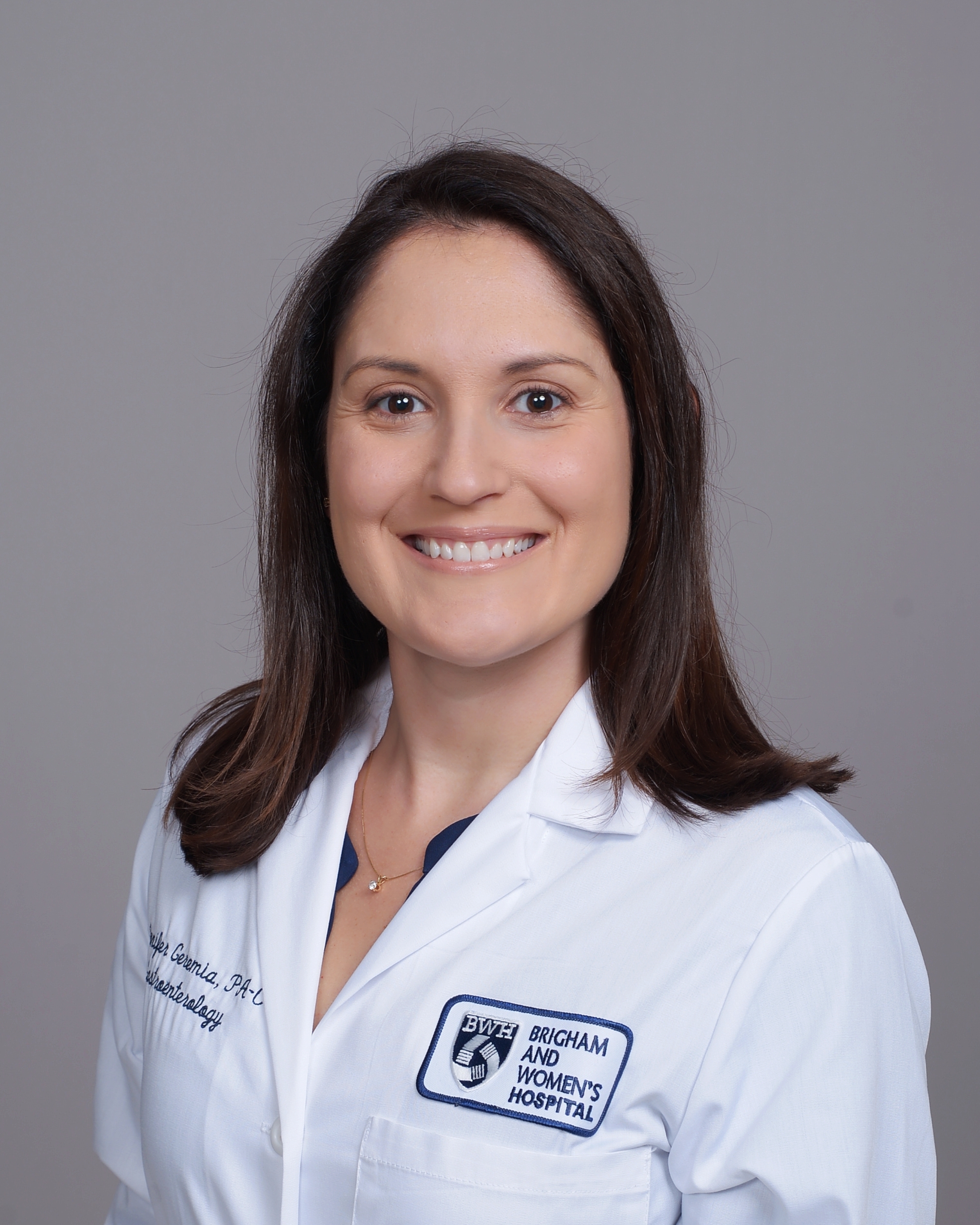
According to Geremia, who is a PA in outpatient gastroenterology at Brigham and Women’s Hospital, Boston, patients may not always understand the differences in professional credentials, “but they do value knowing that the clinicians caring for them have met nationally recognized standards,” she said. “We hope this certification helps reinforce that confidence. We wanted the exam to reflect the decisions APPs make every day in clinical practice. It’s not about recalling isolated facts; it’s about integrating clinical information, applying guidelines, and choosing the most appropriate next step for the patient.”
For employers, she continued, the certification offers another objective measure when recruiting, onboarding, or developing APPs. “It demonstrates a commitment to specialty practice and ongoing professional growth,” Geremia said. “This credential isn’t about changing team roles. It’s about strengthening the multidisciplinary model by ensuring APPs have demonstrated a strong foundation of specialty knowledge that complements physician expertise.”
Gilles noted that because APPs can move between specialties more readily than physicians, turnover remains a concern in GI practices. She hopes the credential will encourage long-term commitment to the specialty by creating meaningful professional milestones and promoting lifelong learning through ongoing recertification requirements.
Certification is valid for five years. AGA plans to require ongoing continuing education and demonstration of continued clinical competence for recertification, although specific maintenance requirements are still being finalized.
Gilles encouraged APPs whose practices focus mainly on hepatology to consider the certification as well. Although hepatology often is viewed as a distinct field, she noted that it is a subspecialty of gastroenterology, and the credential is intended to recognize expertise across the full spectrum of GI and liver disease.
“I hope that this certification becomes a widely recognized national standard for specialty knowledge among APPs working in GI and hepatology,” Gilles said. Although its impact on clinical outcomes may be difficult to measure directly, she hopes it contributes to more consistent evidence-based care, stronger care models, improved patient safety, and better patient outcomes.
Ultimately, she added, the program represents more than an examination. “It’s really about elevating the APP profession for those working in GI, supporting their lifelong learning, and providing the best high-quality gastroenterology and hepatology care regardless of the practice setting that they’re in,” she said.