As promising therapies for celiac disease move closer to reality, an unresolved question in pediatric gastroenterology is taking on new importance: How should children be diagnosed?
That was the central message from Vahe Badalyan, MD, MPH, MBA, director of the celiac disease program at Children’s National Hospital in Washington, DC, who reviewed differences between European and North American diagnostic pathways during a virtual policy symposium hosted by the Society for the Study of Celiac Disease and the Celiac Disease Foundation.
The latest European guidelines allow certain children with celiac disease to be diagnosed without a biopsy, while North American guidelines have traditionally relied on biopsy confirmation. Dr. Badalyan said the difference could become increasingly important as new treatments approach the market and eligibility rules for those therapies take shape.
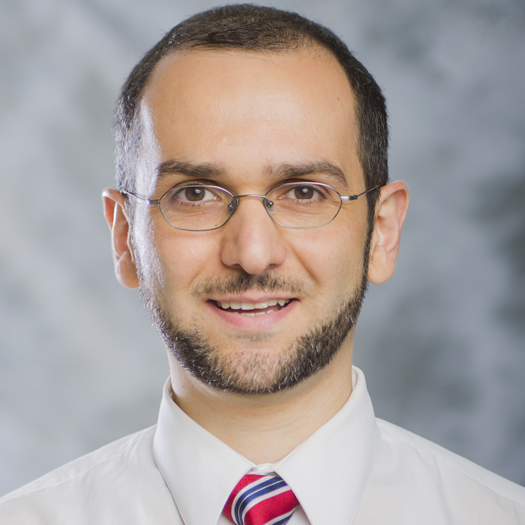
“Children represent a significant proportion of the worldwide patients with celiac disease,” Dr. Badalyan said. Yet pediatric patients have historically faced many barriers to accessing new therapies and participating in clinical trials. “Whenever the drugs are available for treatment for different diseases, children always are lagging behind when it comes to access to those treatments and approvals by the insurance companies,” he said.
Traditionally, diagnosing celiac disease has followed a familiar pathway: clinical suspicion leads to serologic testing, which, if abnormal, is followed by upper endoscopy and duodenal biopsy. For most gastroenterologists, tissue confirmation remains the diagnostic gold standard. However, European experts have increasingly embraced a non-biopsy pathway for carefully selected pediatric patients.
Under European Society of Pediatric Gastroenterology, Hepatology and Nutrition (ESPGHAN) guidelines first introduced in 2012 and updated in 2020, children with tissue transglutaminase (tTG)-IgA levels exceeding 10 times the upper limit of normal may be diagnosed without endoscopy if a second blood sample confirms positive endomysial antibodies. The rationale stems from a growing body of evidence showing that extremely elevated tTG-IgA levels are highly predictive of villous atrophy. In many studies, positive predictive values exceeded 95% and sometimes approached 99%.
The approach has expanded beyond symptomatic patients. Increasingly, children are identified through screening programs or evaluation of atypical symptoms, creating a larger population of asymptomatic patients with positive serology.
In a collection of 11 studies referenced in the 2020 ESPGHAN guidelines, investigators examined data from approximately 550 asymptomatic children and found that high tTG-IgA levels remained strongly predictive of biopsy-confirmed disease. As a result, European guidelines now provide a conditional recommendation supporting the non-biopsy pathway in selected asymptomatic children, while emphasizing shared decision-making with families.
One important safeguard remains mandatory. “The European guidelines mandate that a second blood sample should be done,” Dr. Badalyan said. Positive endomysial antibodies help ensure diagnostic accuracy and reduce the risk of mislabeling patients because of laboratory errors or specimen mix-ups.
North America has not yet fully adopted this approach. Current North American pediatric guidelines do not formally endorse a non-biopsy diagnostic strategy. In fact, the last comprehensive guideline was published in 2005, followed by a clinical report update in 2016 that did not incorporate a non-biopsy pathway due to relative paucity of data in North American populations.
Nevertheless, clinical practice may be evolving faster than official guidance. A survey of pediatric gastroenterologists led by investigators at Children's Hospital of Philadelphia found that 47.5% of respondents accept a serology-based approach to diagnosis. Adoption accelerated during the COVID-19 pandemic, when elective endoscopy access was limited.
More recently, in a multicenter North American study led by Dr. Badalyan’s colleagues at Boston Children’s Hospital, researchers evaluated 1,739 children with tTG IgA levels greater than or equal to 10 times the upper limit of normal. Retrospective analysis showed that roughly 95% would have been correctly diagnosed with celiac disease using serology alone.
However, the study highlighted important limitations. “There was a small number of patients that had completely normal histology,” Dr. Badalyan said. “Those patients would be mislabeled as having celiac disease and would be required to undergo strict gluten-free diet when their intestines were not affected.”
The issue becomes even more complicated when different laboratory assays are considered. “Not every assay gives you 95% positive predictive value,” he explained. “In fact, some assays give you less than 90% positive predictive value.”
Performance also appears less reliable in certain populations, including children with type 1 diabetes. Data remain limited for other groups, such as children with Down syndrome and non-White patients, raising concerns about generalizability in North America's diverse population.
Although interest in diagnosing celiac disease based on blood tests alone is growing, Dr. Badalyan noted several benefits of a biopsy-based approach. A biopsy can confirm intestinal damage, provide a starting point for tracking recovery after treatment, help rule out other conditions, and may make patients and families more willing to follow a lifelong gluten-free diet.
At the same time, endoscopy can be costly, requires anesthesia, and may delay the start of treatment. Studies suggest that blood-test-based approaches can be highly accurate when antibody levels are very high.
Ultimately, Dr. Badalyan suggested that the field may need to move beyond an all-or-nothing debate.
“Maybe we should focus on diagnostic confidence,” he said.
Dr. Badalyan noted that the issue goes beyond making the initial diagnosis. As new treatments are developed, access to clinical trials, insurance coverage, and future medications may depend on how confidently clinicians can confirm that a child has celiac disease.
“Regardless of what we decide, this will have big implications for drug trials and medication eligibility in the future for our pediatric patients,” he concluded.
Dr. Badalyan reported having no relevant disclosures.