Patients with cirrhosis who used a smartphone-based monitoring program after hospital discharge had less than half the odds of an avoidable 30-day readmission compared with those receiving standard care, according to a multicenter randomized trial published in Hepatology.
For the Health IT-Generated Patient-Related Outcomes to Improve Outcomes in Cirrhosis (HEROIC) trial, senior author Jasmohan Bajaj, MD, of the division of gastroenterology, hepatology, and nutrition at Virginia Commonwealth University Medical Center and Richmond VA Medical Center, Richmond, and colleagues enrolled 232 hospitalized patients with cirrhosis and 232 caregivers — 464 participants total — at Virginia Commonwealth University, the Richmond VA Medical Center, and Mayo Clinic Rochester between 2018 and 2024. The odds of an avoidable readmission were more than twice as high in the standard-care group as in the intervention group (19.8% vs 10.3%; OR, 2.14; P = .04).
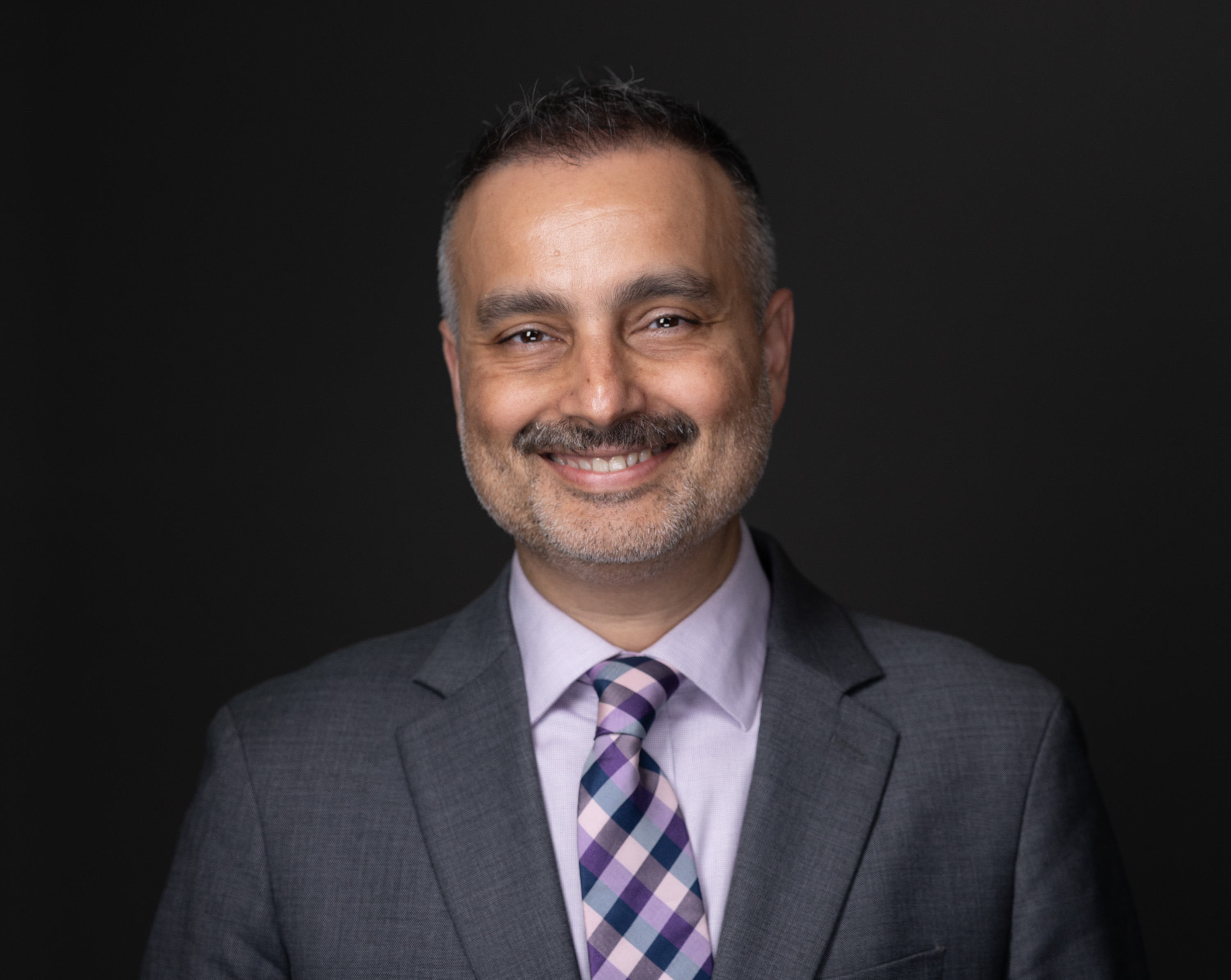
“Readmissions in general and in cirrhosis patients in particular are common and expensive,” Dr. Bajaj told GI & Hepatology News. “Reducing unnecessary and preventable readmissions is a major goal with clinical, psychosocial and financial ramifications. Part of the strategy increasing preventable readmissions is the lack of communication post-discharge between the patients, families and care teams which can be addressed with important educational value through Apps such as Patient Buddy and EncephalApp.”
All participants were being discharged home and had an adult caregiver living in the same household. Each caregiver was separately consented and enrolled as a study participant. Researchers randomly assigned patients to standard care or a health information technology intervention centered on the Patient Buddy App, a digital platform designed to support medication adherence, symptom monitoring and cognitive assessment after hospital discharge. The app collected information on bowel movements, weight changes, symptoms and cognitive performance using EncephalApp and orientation testing. Study staff reviewed alerts daily and contacted patients when intervention was needed.
The trial originally had a third group that used the app along with scheduled phone calls and clinic visits. However, the COVID-19 pandemic forced researchers to change the study design and combine the technology-based groups into a single intervention group.
The primary endpoint was avoidable readmission within 30 days of discharge, determined by a blinded panel of hepatologists reviewing deidentified records. Readmissions were considered avoidable if they resulted from issues such as inadequate adjustment of lactulose therapy for hepatic encephalopathy (HE) or delayed treatment of ascites or other interventions deemed addressable in the outpatient setting.
Among all randomized patients, there were 35 avoidable readmissions. After excluding patients from the pre-pandemic app-plus-visits group, the benefit remained significant: 9.3% of patients in the intervention group had an avoidable readmission, compared with 19.3% of patients receiving standard care (OR, 2.41; P = .04).
The intervention also reduced overall rehospitalizations. All-cause readmissions occurred in 30% of patients assigned to the app compared with 48% of patients receiving standard care (P = .005). In multivariable analysis, assignment to the intervention reduced the likelihood of all-cause readmission, while higher Model for End-stage Liver Disease-Sodium scores and a history of variceal bleeding increased risk.
The most common reasons for readmission were HE, volume overload, gastrointestinal bleeding and acute kidney injury. According to the authors, rates of specific readmission diagnoses were similar between study groups, indicating the intervention reduced the overall frequency rather than shifting causes of hospitalization. Patients with prior HE or variceal bleeding and older patients faced greater risk of preventable readmission, whereas women and patients assigned to the digital intervention experienced fewer avoidable readmissions.
“I was struck by the generosity of the patients and caregivers who were engaged despite the patients being so sick and was happy that the App and communications were considered by them to be of great educational value,” Dr. Bajaj said. “While not surprising it is still remarkable how much hepatic encephalopathy continues to be a major driver of these readmissions.”
The app generated 1,660 alerts during the study. Nearly half involved abnormal bowel-movement frequency, while 40% were related to cognitive testing. Investigators reported using app-generated information to adjust lactulose dosing in 62 patients, arrange outpatient paracentesis in 25 patients and schedule urgent clinic evaluations in 35 patients.
According to Dr. Bajaj, the results suggest that structured digital monitoring combined with caregiver participation may help identify complications earlier and reduce preventable hospital utilization after discharge. “The findings hopefully can spur investment into continuing outreach and day clinics to address the initial triggers such as a high creatinine, lower grades of HE, or need for a therapeutic paracentesis,” he said. “Also, continuing communication and education through this freely available App would be important to sustain.”
He added that further work is needed to streamline best practices and ensure that all messages receive timely review and appropriate triage. “We need more involvement of the patients and families in their preferred mode(s) of contact and education,” Dr. Bajaj said.
The authors noted several limitations, including the pandemic-related redesign, enrollment differences across sites, the requirement for a caregiver and the lack of formal health-literacy assessment. They also acknowledged that frequent alerts could increase workload for clinical teams.
The study was funded by a grant from the Agency for Healthcare Research and Quality. Two of the authors were employees of and held stock in Creative Information Technology, Inc., which developed the Patient Buddy App. The remaining authors reported no conflicts of interest.