High-risk scores on the artificial intelligence-driven Tissue Systems Pathology-9 (TSP-9) test and aberrant p53 immunohistochemistry (IHC) staining were each associated with progression in patients with Barrett’s esophagus (BE), according to a systematic review and meta-analysis published in Gastro Hep Advances.
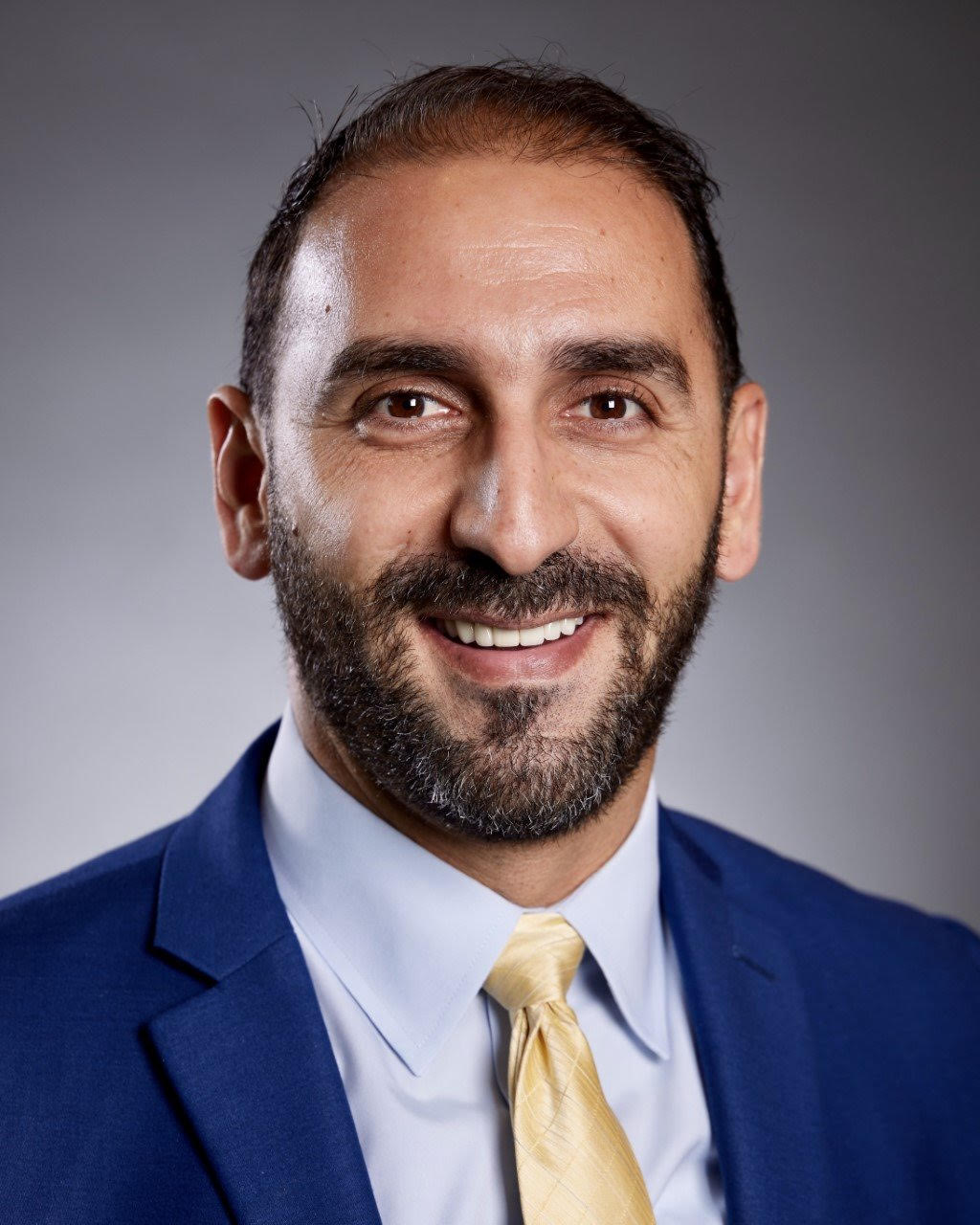
“This is particularly important in patients with nondysplastic Barrett’s esophagus, where traditional histology alone may not adequately identify those at higher risk,” Bashar J. Qumseya, MD, MPH, FASGE, of the University of Florida, Gainesville, told GI & Hepatology News. “These biomarkers could help us personalize surveillance strategies, potentially allowing more intensive monitoring of high-risk patients while reducing unnecessary procedures in those at low risk.”
Comparative biomarker performance
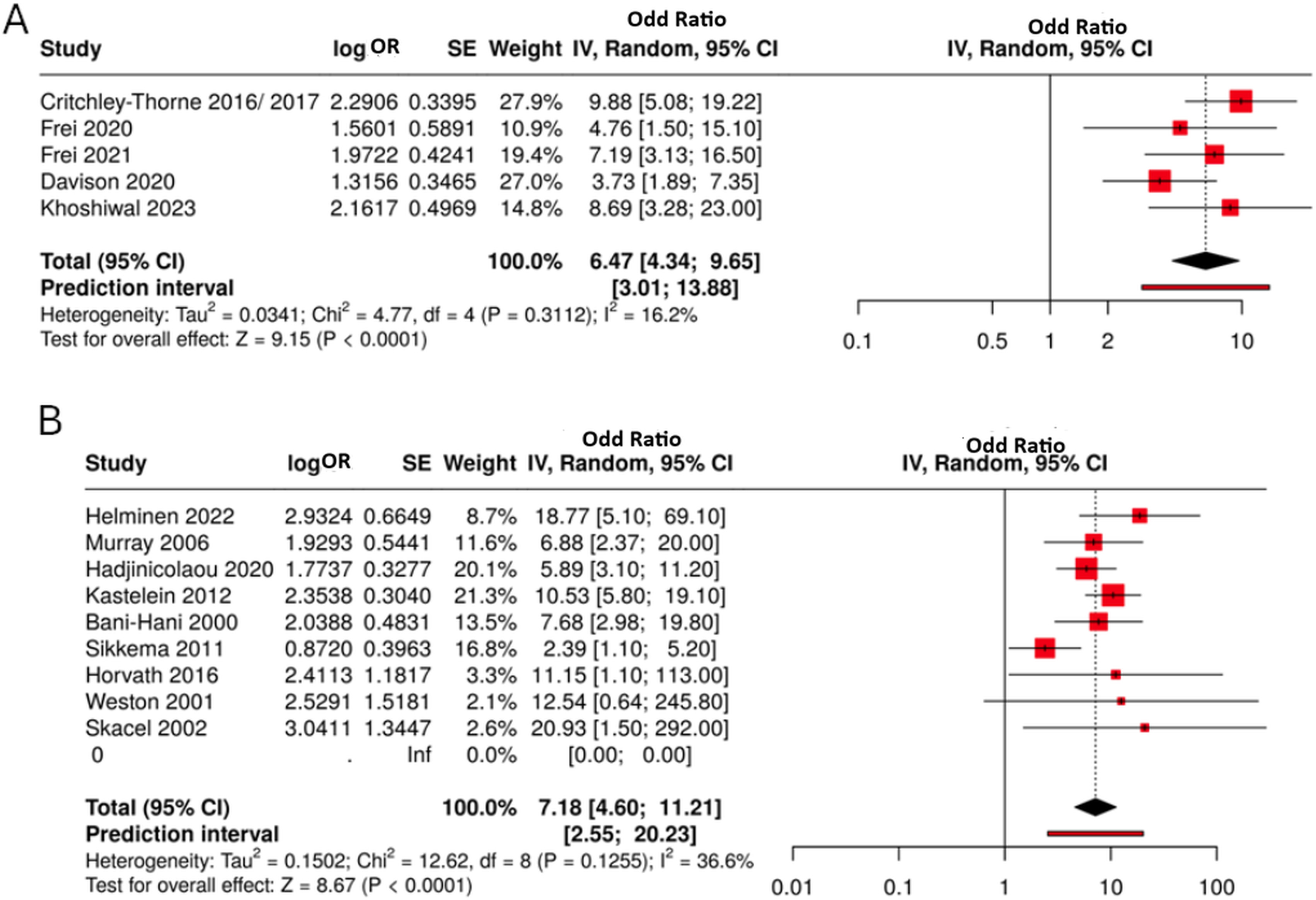
The investigators searched PubMed, Embase, Cochrane, and Web of Science through December 2025, identifying 23 studies with a pooled population of 6,655 patients with BE classified as nondysplastic, indefinite for dysplasia, or low-grade dysplasia. Seven studies assessed TSP-9 (TissueCypher, Castle Biosciences), and 16 assessed p53 IHC. The primary outcome was progression to high-grade dysplasia or esophageal adenocarcinoma. The included studies used cohort, case-control, and cross-sectional designs; none were randomized trials. Using random-effects models, the investigators calculated pooled estimates of biomarker performance.
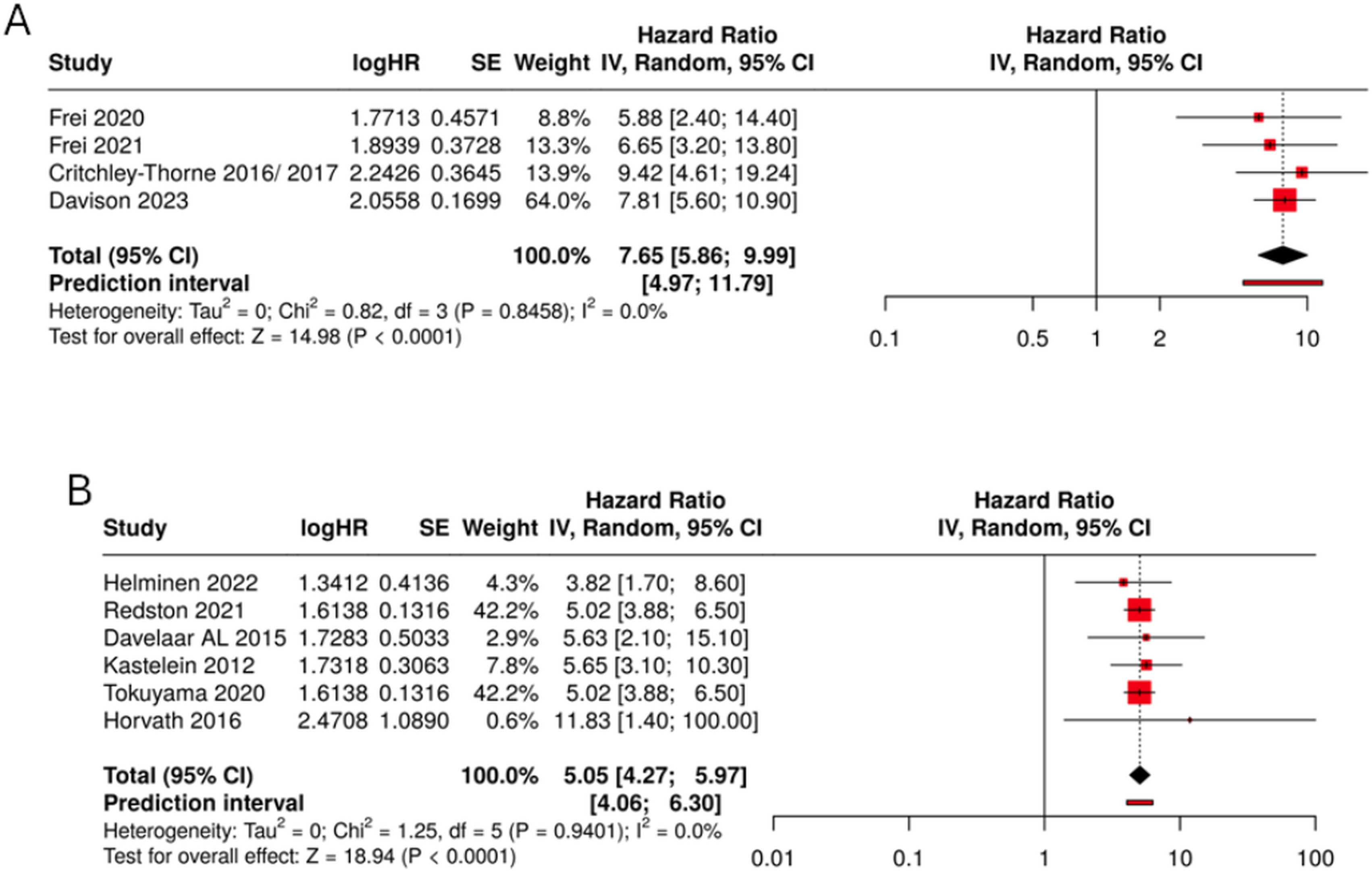
High-risk TSP-9 scores were associated with a 7.65-fold higher hazard of progression, and aberrant p53 staining with a 5.05-fold higher hazard. The investigators suggested the larger figure for TSP-9 “may reflect its multiplexed approach,” but they noted that the comparison was indirect and the confidence intervals overlapped, so the analysis could not establish either test as superior.
The investigators reported comparable pooled sensitivities (TSP-9: 57.1%; p53 IHC: 60.1%), while p53 IHC had higher pooled specificity (91.5% vs. 83.5% for TSP-9).
Dr. Qumseya noted that “predictive performance is only one factor when considering clinical implementation.” He highlighted the lower cost and wider availability of p53 IHC compared with TSP-9, emphasizing that biomarker selection will ultimately depend on these practical considerations and “whether the additional prognostic information translates into meaningful improvements in patient outcomes.”
According to the study, p53 IHC costs approximately $50 to $150 and is widely available in pathology departments, while TSP-9 costs approximately $5,900 and requires shipping samples to a centralized laboratory in the United States.
The investigators also described the negative predictive values of the biomarkers as “robust,” with both exceeding 90% (TSP-9: 91.1%; p53 IHC: 94.7%). This finding “supports safely extending surveillance intervals in low-risk patients,” they wrote.
Looking ahead
“This meta-analysis confirms that incorporating TSP-9 or p53 IHC into BE surveillance improves identification of patients at risk for neoplastic progression,” the investigators concluded.
The authors noted that a 2022 AGA clinical practice update endorsed TSP-9 for risk stratification in nondysplastic BE, while the British Society of Gastroenterology recommends p53 IHC to improve reproducibility in dysplasia diagnosis. The 2025 AGA guideline on BE surveillance took no position on either biomarker, citing insufficient evidence, they wrote.
The authors acknowledged several limitations, including the absence of randomized trials comparing biomarker-guided surveillance with standard care and heterogeneity in sensitivity for both biomarkers. Reliance on study-level rather than patient-level data also limited histology-stratified analyses, and p53 IHC results reflect years of variability in antibody clones, staining protocols, and scoring thresholds across studies, they wrote.
The most important next step, according to Dr. Qumseya, is to conduct prospective randomized clinical trials. “Although both biomarkers demonstrate promising predictive performance, we still need evidence that using them to guide clinical decisions improves early detection of advanced neoplasia, reduces unnecessary endoscopies, and is cost-effective,” he said. “Such studies will be essential before these biomarkers can be routinely incorporated into surveillance guidelines.”
No funding was reported. Dr. Qumseya has received food and beverage compensation from Medtronic, Fujifilm Healthcare Americas, and Boston Scientific. The remaining study authors reported no conflicts of interest.