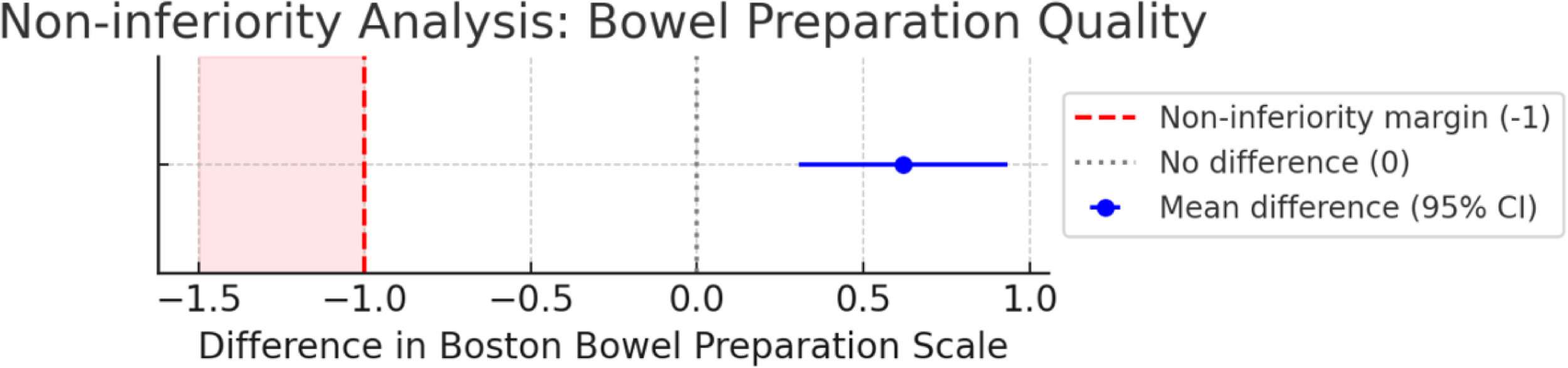
A custom 1-liter bowel prep cleaned the colon at least as well as a standard 4-liter prep in a 110-patient randomized trial of patients having their first screening colonoscopy, researchers reported in Techniques and Innovations in Gastrointestinal Endoscopy.
The 1-liter prep scored higher on a nine-point scale of bowel cleanliness, but nearly all patients in both groups had an adequately clean colon. Patients who received the 1-liter prep were more likely to report thirst.
“This custom-prepared, ultra-low-volume regimen represents a promising alternative that achieves cleansing efficacy comparable to standard protocols,” corresponding author Ricardo Flores-Rendón, MD, a gastroenterologist at the Instituto de Seguridad y Servicios Sociales de los Trabajadores del Gobierno y Municipios del Estado de Baja California in Mexicali, Mexico, told GI & Hepatology News.
At two endoscopy centers in Mexico, Dr. Flores-Rendón and colleagues randomly assigned 110 patients aged 45 to 80 to split-dose 4-liter polyethylene glycol (PEG) or a custom 1-liter preparation containing PEG and ascorbate. Endoscopists did not know which prep patients received.
Three patients assigned to the 4-liter prep did not finish it and were excluded from the analysis. The results are based on 52 patients who completed the 4-liter prep and 55 who completed the 1-liter prep.
The 4-liter group drank 2 liters of PEG solution the evening before colonoscopy and 2 liters the next morning. The 1-liter group drank 500 milliliters of a PEG and ascorbate solution the evening before colonoscopy and 500 milliliters of a PEG solution the next morning, plus 2 to 3 liters of water. Both groups followed a clear-liquid diet and finished the prep three to four hours before colonoscopy.
The 1-liter prep was compounded in the pharmacy of the researchers’ institution. Commercial ascorbate-containing preparations are not currently available in Mexico, the authors wrote.
The researchers measured bowel cleanliness using the Boston Bowel Preparation Scale, which runs from zero to nine. The average score was 8.47 with the 1-liter prep and 7.85 with the 4-liter prep, a difference of 0.62 points (P=0.003). The 1-liter prep met the study’s standard for being at least as effective as the 4-liter prep.
The study defined an adequate prep as a score of at least seven. Nearly all patients met that mark — at least 96% in each group — and the difference was not statistically significant.
The endoscopists reached the cecum in every patient. They also passed through the ileocecal valve in all 55 patients in the 1-liter group and 51 of 52 in the 4-liter group. The groups did not differ significantly in the amount of bubbles seen during colonoscopy.
Fewer polyps were found in the 1-liter group (median, two vs. three per colonoscopy; P=0.008). Adenomas were found in 50% of patients in the 4-liter group and 35% in the 1-liter group, a difference that was not statistically significant. The trial was powered to assess cleansing scores, not adenoma detection, and may not have had enough statistical power to detect small differences in adenoma detection, the authors wrote.
Colonoscopies took longer on average in the 1-liter group (44.8 vs. 37.2 minutes; P=0.005), as did reaching the cecum (13.5 vs. 8.74 minutes; P=0.001). The authors did not discuss the difference in procedure times.
No major adverse events were reported. Minor symptoms occurred in 53% of patients in the 1-liter group and 44% in the 4-liter group, a difference that was not statistically significant. Thirst was the only symptom that differed significantly between groups; 45% of patients in the 1-liter group reported it. Altered taste was the most common symptom in the 4-liter group, reported by 23%.
The authors concluded that the custom-prepared regimen is a safe, simple, and effective option for bowel preparation.
The trial excluded patients with chronic kidney disease (CKD) stage 3b or higher, chronic heart failure, cirrhosis, electrolyte imbalance, and uncontrolled hypertension, among other conditions. The authors wrote that the higher rate of thirst may have clinical implications for patients in whom fluid balance is critical, such as those with heart failure with reduced ejection fraction or CKD with impaired urine output. The researchers did not report cleanliness scores for individual colon segments. Without baseline blood tests, they could not quantify electrolyte shifts, though they observed no clinically significant electrolyte changes after the prep.
The authors reported no external funding or conflicts of interest.
Expert insight
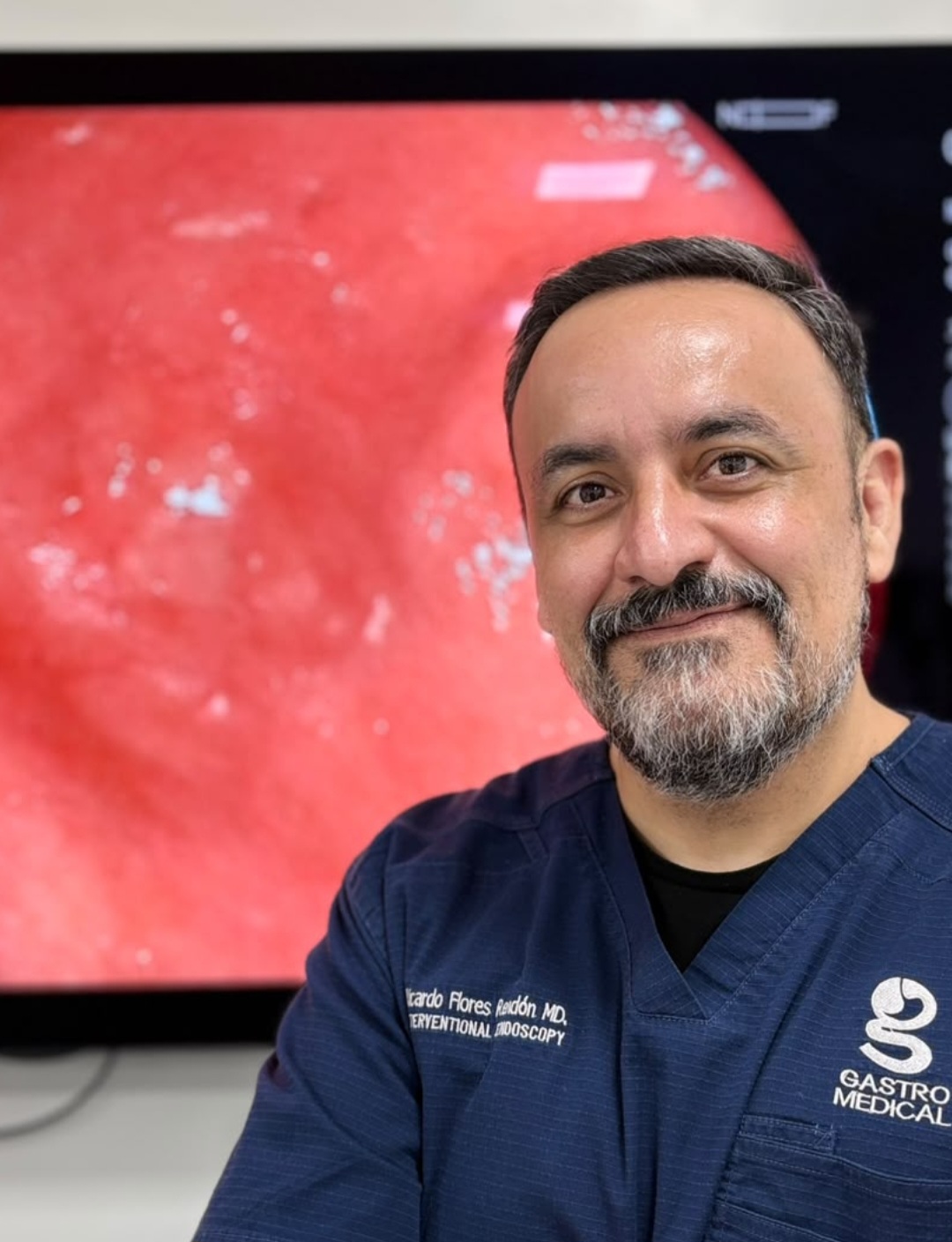
Dr. Flores-Rendón spoke with GI & Hepatology News about the study results.
Which patients are the best candidates for the 1-L PEG-ascorbate regimen, and who should continue to receive a traditional high-volume preparation?
Dr. Flores-Rendón: The 1-L PEG-ascorbate regimen is ideal for patients without significant cardiometabolic or renal comorbidities who have a documented history of poor compliance or intolerance to high-volume preparations, particularly those prone to severe upper GI side effects such as nausea, abdominal bloating, and vomiting. Conversely, traditional high-volume regimens should remain the standard of care for patients with a history of electrolyte disturbances, baseline renal insufficiency, or volume depletion, as well as those who have previously tolerated high-volume protocols without issue.
Excessive thirst was common with the low-volume regimen. How should physicians advise patients about hydration and monitor those at risk for fluid imbalance?
Dr. Flores-Rendón: Clinicians must provide explicit pre-procedural counseling on maintaining adequate clear fluid intake throughout the preparation period, with specific vigilance required for elderly patients or those with a blunted thirst response. Furthermore, individualized fluid management strategies are crucial for patients at risk for electrolyte shifts or fluid overload, particularly those with chronic kidney disease or congestive heart failure.
What additional evidence is needed before this custom-prepared regimen can be widely adopted in routine practice?
Dr. Flores-Rendón: To support widespread adoption, prospective validation in diverse multi-center cohorts and real-world clinical practice settings is essential. Additional studies should focus on evaluating safety profiles across broader patient demographics, including elderly populations and individuals with mild-to-moderate renal or cardiovascular comorbidities and also in patients with special conditions like severe constipation.