Patients with inflammatory bowel disease (IBD) were two to four times as likely to develop a serious infection during periods when they also received corticosteroids, compared with similar patients receiving the same therapy without corticosteroids, according to a nationwide Swedish study published in Clinical Gastroenterology and Hepatology.
The risk extended across conventional and advanced therapies and generally rose with higher cumulative corticosteroid doses, the researchers reported. These therapies included immunomodulators, tumor necrosis factor inhibitors, vedolizumab, ustekinumab, and Janus kinase inhibitors.
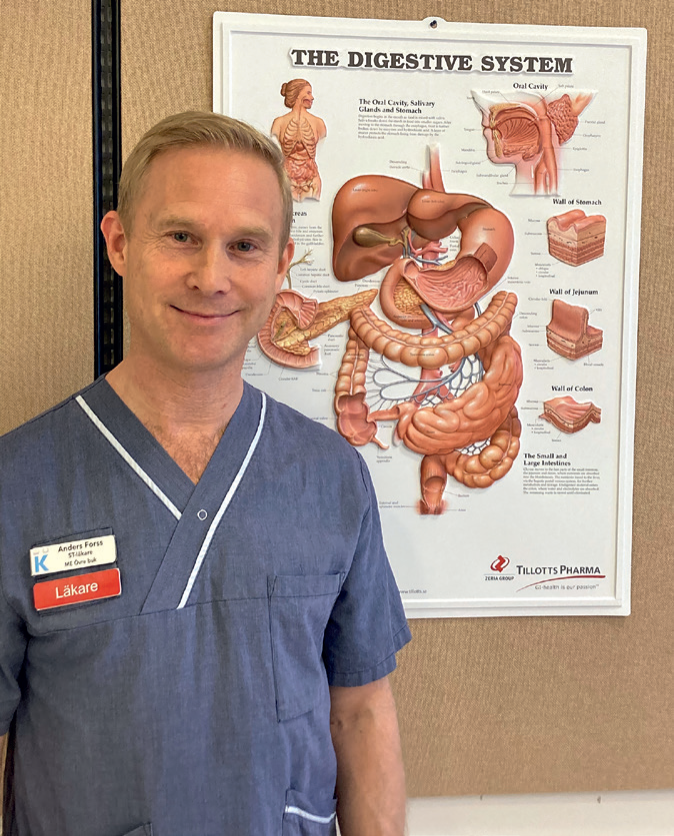
“Corticosteroids carry a meaningful, dose-related infection risk that should be incorporated into treatment decisions,” co-first authors Anders Forss, MD, PhD, associate professor of gastroenterology at Karolinska Institutet and Karolinska University Hospital in Stockholm, and Jordan Axelrad, MD, MPH, co-director of the Inflammatory Bowel Disease Center at NYU Langone Health, said in a joint response to GI & Hepatology News. “Clinicians should use the lowest effective dose, corticosteroid-sparing therapies, and consider infection-relevant variables such as patient age, comorbidities, and concomitant immunosuppression.”
The investigators used nationwide Swedish health and population registries to identify patients with IBD from 2007 through 2024. They matched each patient by age, sex, and county with up to 10 people without IBD.
The analysis included 145,125 treatment periods without immunomodulators or advanced therapies, 82,675 involving immunomodulators, and 90,181 involving advanced therapies. These included tumor necrosis factor inhibitors alone or with an immunomodulator, vedolizumab, ustekinumab, risankizumab, and Janus kinase inhibitors. Corticosteroid exposure was based on filled oral corticosteroid prescriptions, with each course assumed to last 12 weeks. Median follow-up per treatment period was 0.2 years for periods with corticosteroids and 0.3 to 1.4 years for periods without, depending on therapy.
The primary outcome was the first serious infection requiring hospitalization. The researchers excluded treatment periods preceded by a serious infection within six months. They also excluded patients with conditions recorded in the previous five years that could raise infection risk and affect IBD management, such as cancer, chronic kidney or liver disease, HIV, immunodeficiency, or an organ transplant.
Among patients receiving immunomodulators or advanced therapies without corticosteroids, serious infection was three to four times as likely as in matched population controls, or about one to two additional infections per 100 person-years. With corticosteroids, it was eight to 16 times as likely — seven to 10 additional infections per 100 person-years, or one additional infection for every 10 to 15 patients followed for one year or every 43 to 67 corticosteroid courses. Among patients receiving neither immunomodulators nor advanced therapies, serious infection was 1.6 times as likely as in controls without corticosteroids and 4.5 times as likely with them. The authors noted that these estimates cannot be directly compared across therapy groups because the analyses did not account for differences in risk factors between groups.
Because patients who need corticosteroids may differ from those who do not, the researchers used propensity score matching to create more comparable groups. They matched treatment periods with and without corticosteroids based on demographic characteristics, other health conditions, healthcare use, previous infections, time since IBD diagnosis, and prior advanced therapy.
In comparisons of patients receiving the same therapy, those also treated with corticosteroids were two to four times as likely to develop a serious infection. Corticosteroid use was associated with about four to nine additional infections per 100 person-years, or one additional serious infection for every 50 to 111 twelve-week courses, depending on the accompanying therapy.
Risk also generally increased with cumulative corticosteroid dose per course. Among patients receiving neither immunomodulators nor advanced therapies, for example, serious infection was about 1.6 times as likely with 500 mg or less of prednisolone equivalents as with no corticosteroids. It was twice as likely with 500 to 1,500 mg and three times as likely with more than 1,500 mg. However, the authors did not identify a dose threshold consistently associated with higher risk across therapies.
Absolute and relative risk varied by age. Patients aged 60 years or older had the highest overall infection rates, while those younger than 18 years had the greatest risk relative to matched population controls. Absolute risk differences compared with controls were largely similar across age groups, the researchers reported. Children receiving corticosteroids with immunomodulators or advanced therapy were 30 to 50 times as likely as controls to develop a serious infection, although estimates for some therapies were based on few events.
Opportunistic infections were rare, according to the study. Compared with the general population, corticosteroid-exposed patients had a two- to 80-fold higher relative risk of opportunistic infection across therapies. Among those receiving immunomodulators, tumor necrosis factor inhibitors, or both, this corresponded to about one additional opportunistic infection per 515 to 540 corticosteroid courses. In a post hoc analysis, 3% of patients starting triple immunosuppression — an immunomodulator, a tumor necrosis factor inhibitor, and corticosteroids — filled a prescription for antimicrobial prophylaxis.
Because the study was observational, it could not determine whether corticosteroid use, more severe disease, or both explained the higher infection risk. The registers lacked data on endoscopic and biochemical disease activity, flare severity, treatment decisions, and lifestyle factors. The analysis included only infections requiring hospitalization, and admission thresholds may differ between patients with IBD and the general population. An analysis of infection-related deaths closely paralleled the main findings, the authors wrote, but there were enough deaths to analyze only among patients receiving neither immunomodulators nor advanced therapies. The study also measured prescriptions filled rather than actual medication use and included few patients treated with newer therapies such as risankizumab. In addition, its dose categories may not have captured prescribing patterns in younger children.
The study was supported by Swedish and US research organizations and other fellowships. Dr. Forss, Dr. Axelrad, and several authors reported financial relationships with pharmaceutical companies.

Expert Insight
Dr. Forss and Dr. Axelrad discussed what the findings mean for clinical practice with GI & Hepatology News.
How should these findings change the way physicians use corticosteroids in patients with IBD?
Dr. Forss and Dr. Axelrad: Corticosteroids remain an important tool for rapidly controlling IBD activity, but they should be used as briefly and judiciously as possible. In this nationwide propensity score-matched study from Sweden, patients with IBD had a 2- to 4-fold higher risk of serious infection during periods of advanced therapy and concomitant corticosteroid exposure compared with similar periods without corticosteroids, and the risk generally increased with greater cumulative corticosteroid exposure.
Which patients may benefit most from added infection-prevention measures during corticosteroid treatment?
Dr. Forss and Dr. Axelrad: Opportunistic infections were very uncommon, even among patients receiving triple immunosuppression. In this group, corticosteroids conferred a relative increase in infection risk similar to that seen with other regimens, but the absolute risk remained low, at approximately one opportunistic infection per 500 corticosteroid courses. These findings suggest that multiple immunosuppressive agents alone may be insufficient to justify routine prophylaxis. A more rational threshold may be combined immunosuppression plus additional risk factors such as older age, lymphopenia, or significant comorbidity. Vaccination remains broadly appropriate. Prospective studies are needed to identify patients who truly benefit from targeted prophylaxis, as our data demonstrate a low baseline risk but do not address the benefit of prophylaxis in specific subgroups.
How can future studies separate the infection risk from corticosteroids from the risk associated with more severe IBD?
Dr. Forss and Dr. Axelrad: This is an important limitation of our study as patients who require corticosteroids are often receiving them because their IBD is more severe, so observational studies cannot completely eliminate the possibility that some observed infection risk is attributable to disease severity rather than corticosteroids. Future propensity score-matched studies should incorporate granular measures of disease activity and severity to fully capture attributable risk to IBD itself versus corticosteroid exposure.