
Stomach
The Latest
No payoff found from higher doses in H. pylori treatment
-
by Doug Brunk
"When bismuth quadruple therapy was prescribed, increasing drug doses beyond the standard generally did not improve cure rates."

Case study: Gastric ulcer mimicking malignancy
-
by Amy Pfeiffer
In patients with gastric ulcers suspicious for malignancy but lacking histologic confirmation, IgG4-related disease should be considered.

Five startups reach AGA Shark Tank finals
-
by Doug Brunk
“It’s more about the inspiration than about the winner.”

Timing of H. pylori diagnosis may limit gastric cancer prevention
-
by Julia Cipriano
The benefit of eradication “likely requires early detection and adequate follow-up.”

Sex-based gene differences emerge in Crohn’s recurrence
-
by Doug Brunk
"The strong impact of patient sex on the degree to which gene expression differed between recurrent and non-recurrent samples was surprising.”
Gastric cancer risk rises in familial adenomatous polyposis
-
by Doug Brunk
FAP patients found to have a 12-fold higher risk of gastric cancer than the general population.

Refining endoscopic surveillance beyond average-risk screening
-
by Gyanprakash A. Ketwaroo, MD, MSc, Isaiah T. Gonzalez, MD, Mimi C. Tan, MD, MPH, Samir A. Shah, MD
Drs. Isaiah Gonzalez and Mimi Tan offer a thoughtful framework for the evaluation and surveillance of gastric intestinal metaplasia, while Dr. Samir A. Shah provides a practical and evidence-based approach to IBD surveillance, highlighting his use of chromoendoscopy with targeted sampling to improve dysplasia detection.

Endoscopic ultrasound pushes beyond biopsy in diagnostics
-
by Doug Brunk
Review highlights advances that expand endoscopic ultrasound into precision diagnostics and personalized therapy across pancreatic and liver diseases.

Vonoprazan-tetracycline: A promising rescue strategy for H. pylori
-
by Doug Brunk
Two-drug regimen clears infection with fewer side effects after prior failure.

Creeping fat in Crohn's may turn harmful
-
by Doug Brunk
Even though it is common, the condition has not been studied much.

With a little help from my friends: What gastrointestinal pathologists need to know from gastroenterologists
-
by Raul S. Gonzalez, MD
Why better communication between gastroenterologists and pathologists matters for patient care.

Green endoscopy: Practical strategies to reduce environmental impact in GI practice
-
by Rabia de Latour, MD
There are plenty of opportunities for gastroenterologists, ambulatory surgery centers, endoscopy units, and outpatient clinics to implement changes that reduce GHG emissions.

When gut-brain disorders affect eating in adults
-
by Doug Brunk
"Restrictive eating in DGBI is common beyond specialist clinics and highlights the need for integrated multidisciplinary care."

ED drugs tied to lower gastric cancer risk
-
by Kerri Miller
Large retrospective study finds 30% reduction in gastric malignancy among men taking erectile dysfunction medications.

Gastric microbiome shifts track H pylori virulence
-
by Kerri Miller
Pathogenic bacterial genotypes correlate with distinct microbial communities; overall α-diversity is unchanged, but virulent strains show greater diversity within subgroups as atrophy progresses
Approach to weight management in GI practice
-
by Colleen R. Kelly, MD
As gastroenterologists, we treat a number of conditions that are caused or worsened by obesity.

Exercise patterns and GI cancer risk
-
by Kerri Miller
Consistently meeting—but not exceeding—recommended activity levels offers maximal protection against digestive cancers, new research suggests.

Bariatric surgery vs GLP-1s: GERD risk
-
by Kerri Miller
Propensity-matched analysis of over 80,000 patients reveals bariatric surgery nearly doubles five-year esophageal complication rates compared with GLP-1 RA therapy.
GLP-1s and tirzepatide: Similar GI risk
-
by Kerri Miller
Real-world data show similar rates of severe GI events with semaglutide, dulaglutide, and tirzepatide, reinforcing comparable safety across agents in routine care.
'Don’t take shortcuts,' endoscopy researcher advises
-
by Jennifer Lubell
Dr. Jovani compared two different types of needles for tissue acquisition with endoscopic ultrasound.

AI in gastroenterology and endoscopy
-
by Gyanprakash A. Ketwaroo, MD, MSc, Yuvaraj Singh, MD, Alessandro Colletta, MD, Dennis L. Shung, MD, MHS, PhD, Neil Marya, MD
AI tools that were once conceptual are now entering everyday practice,

Do quadruple therapies beat triple for H. pylori?
-
by Kerri Miller
Concomitant and bismuth quadruple regimens provided substantially higher eradication rates than triple therapy without an adherence penalty.
New data tie GLP-1 therapies to GERD
-
by Jennifer Ford
"These potential risks should be weighed against the established clinical benefits of this drug class."
GLP-1 receptor agonist use in gastrointestinal endoscopy: A review of current evidence and guidelines
-
by Sitharthan Sekar, MD, Nikiya Asamoah, MD
Bringing HCC patients hope through trials, advanced treatments
-
by Jennifer Lubell
For Reena Salgia, MD, the most rewarding part about working with patients with HCC is being there for their entire journey,
Improving care for sexual and gender minority patients with disorders of gut-brain interaction
-
by Kara J. Jencks, MD, Christopher Velez, MD
Avoid getting stuck: A practical guide to managing chronic constipation
-
by Hamza Salim, DO, Anni Chowdhury, DO, Lavanya Viswanathan, MD, MS
While constipation is seldom life-threatening, it has a negative impact on patient quality of life and poses a significant financial burden.

Treating GERD: Lifestyle modifications vs medication
-
by Gyanprakash A. Ketwaroo, MD, MSc, Juan D. Gomez, MD, Brijesh B. Patel, MD
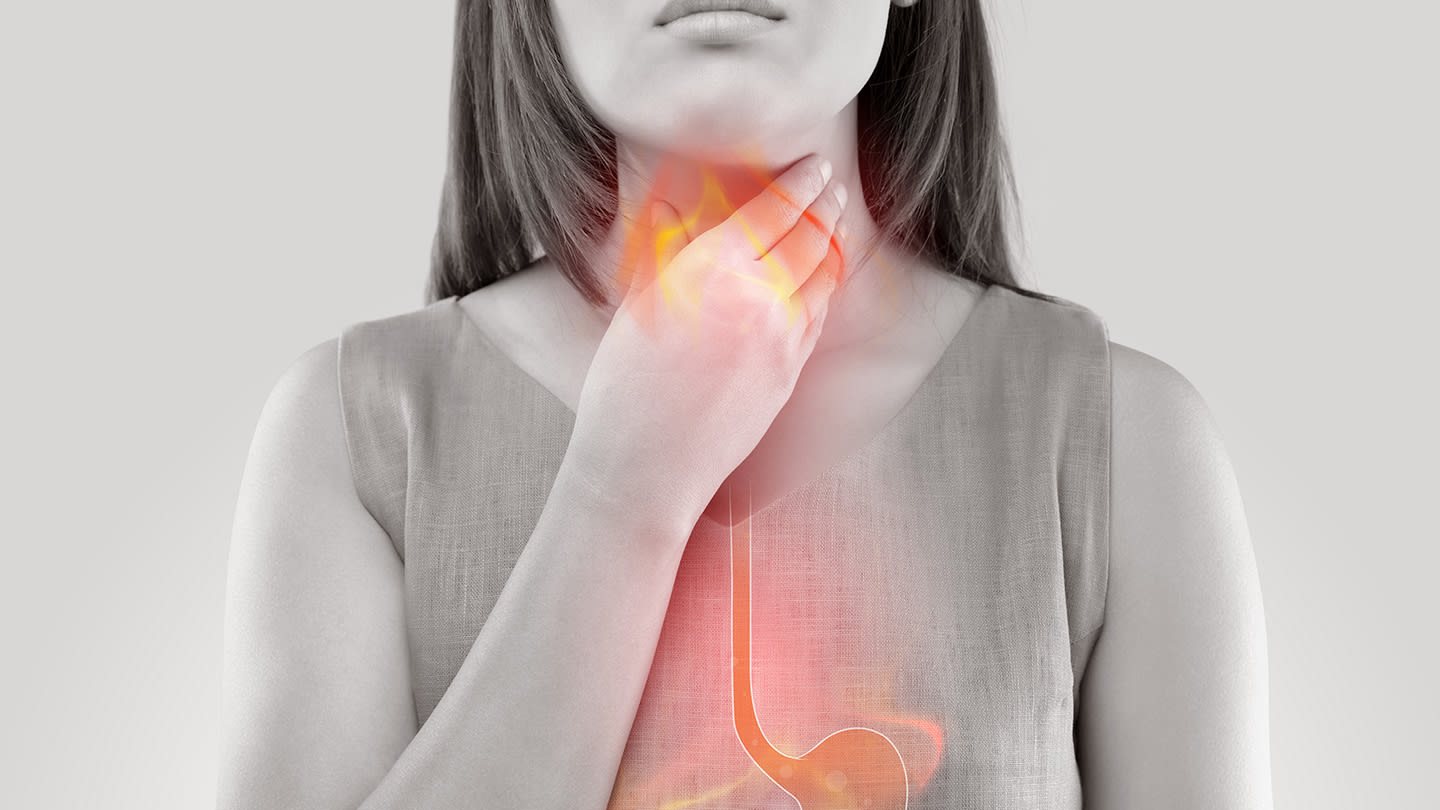
While PPIs are highly effective, concerns about their potential side effects frequently make headlines.
How to discuss lifestyle modifications in MASLD
-
by Newsha Nikzad, MD, Daniel J. Huynh, BS, Nikki Duong, MD
Medical, endoscopic, and surgical management of gastroesophageal reflux disease
-
by Patrick Chang, MD, Supisara Tintara, MD, Jennifer Phan, MD
Navigating ethical and clinical considerations relating to percutaneous gastrostomy (PEG) tubes
-
by Emily Seltzer, DO, MS, Antoinette Pusateri, MD, Anh D. Nguyen, MD, Ellen Stein, MD, AGAF
A paradigm shift in evaluating and investigating the etiology of bloating
-
by Rajan Singh, PhD, Baharak Moshiree, MD, AGAF
Abdominal bloating is a common condition affecting up to 3.5% of people globally.

Bridging the gap between GI disorders and nutrition
-
by Jennifer Lubell
Renee Euler has made it her life’s work to navigate GI disorders with physicians and patients alike.

Advances in pancreaticobiliary disease interventions: More options and better outcomes
-
by Allison R. Schulman, MD, MPH
Over the last several decades, the endoscopic treatment of pancreaticobiliary disease has advanced exponentially.
Eosinophilic esophagitis: A year in review
-
by Joan W. Chen, MD, MS
Diet remains the only therapy targeting the cause of EoE and offers a potential drug-free remission.

Approach to dysphagia
-
by Tanisha Ronnie, MD, Lauren Bloomberg, MD, Mukund Venu, MD, FACG
According to AHRQ, dysphagia may be responsible for up to 60,000 deaths annually.

Establishing an advanced endoscopy practice: Tips for trainees and early faculty
-
by A. Samad Soudagar, MD, Mohammad Bilal, MD, FACP
Navigating your childcare options in a post-COVID world
-
by Kelly E. Hathorn, MD, David W. Creighton, MD
Immune checkpoint inhibitor–related gastrointestinal adverse events
-
by Joshua Kwon, MD, Paul T. Kröner, MD, MSc
Why I decided to get an MBA after becoming a private practice gastroenterologist
-
by Vasu Appalaneni, MD, MBA
Weight loss management ... a new frontier?
-
by Gyanprakash A. Ketwaroo, MD, MSc, GI and Hepatology News