
Esophagus
The Latest
Clinical practice update: Electrosurgery guidance refines endoscopy practice
-
by Doug Brunk
“An understanding of the principles of electrosurgery is fundamental for its safe and effective use."

Five startups reach AGA Shark Tank finals
-
by Doug Brunk
“It’s more about the inspiration than about the winner.”

AI system offers no benefit in upper endoscopy, study finds
-
by Amy Pfeiffer
"Our study is the first to underscore the critical role of rigorous pathologic review in evaluating AI systems."
Therapeutic endoscopy expands in IBD
-
by Doug Brunk
AGA update outlines when advanced endoscopic interventions can delay or prevent surgery and how to select patients most likely to benefit.

Refining endoscopic surveillance beyond average-risk screening
-
by Gyanprakash A. Ketwaroo, MD, MSc, Isaiah T. Gonzalez, MD, Mimi C. Tan, MD, MPH, Samir A. Shah, MD
Drs. Isaiah Gonzalez and Mimi Tan offer a thoughtful framework for the evaluation and surveillance of gastric intestinal metaplasia, while Dr. Samir A. Shah provides a practical and evidence-based approach to IBD surveillance, highlighting his use of chromoendoscopy with targeted sampling to improve dysplasia detection.

Endoscopic ultrasound pushes beyond biopsy in diagnostics
-
by Doug Brunk
Review highlights advances that expand endoscopic ultrasound into precision diagnostics and personalized therapy across pancreatic and liver diseases.

Creeping fat in Crohn's may turn harmful
-
by Doug Brunk
Even though it is common, the condition has not been studied much.

With a little help from my friends: What gastrointestinal pathologists need to know from gastroenterologists
-
by Raul S. Gonzalez, MD
Why better communication between gastroenterologists and pathologists matters for patient care.

Green endoscopy: Practical strategies to reduce environmental impact in GI practice
-
by Rabia de Latour, MD
There are plenty of opportunities for gastroenterologists, ambulatory surgery centers, endoscopy units, and outpatient clinics to implement changes that reduce GHG emissions.

Realigning values
-
by Judy A. Trieu, MD, MPH
A thoughtful reset for early-career physicians navigating evolving goals and responsibilities.

ASGE updates guidance on diagnosing and managing GERD
-
by Doug Brunk
About one-third of U.S. adults are affected by the condition.

Task force touts greener endoscopy units
-
by Doug Brunk
Reducing unnecessary procedures, supplies, and ancillary resources offers the greatest environmental benefit relative to effort.

Index of severity for eosinophilic esophagitis: Growing body of evidence supports use
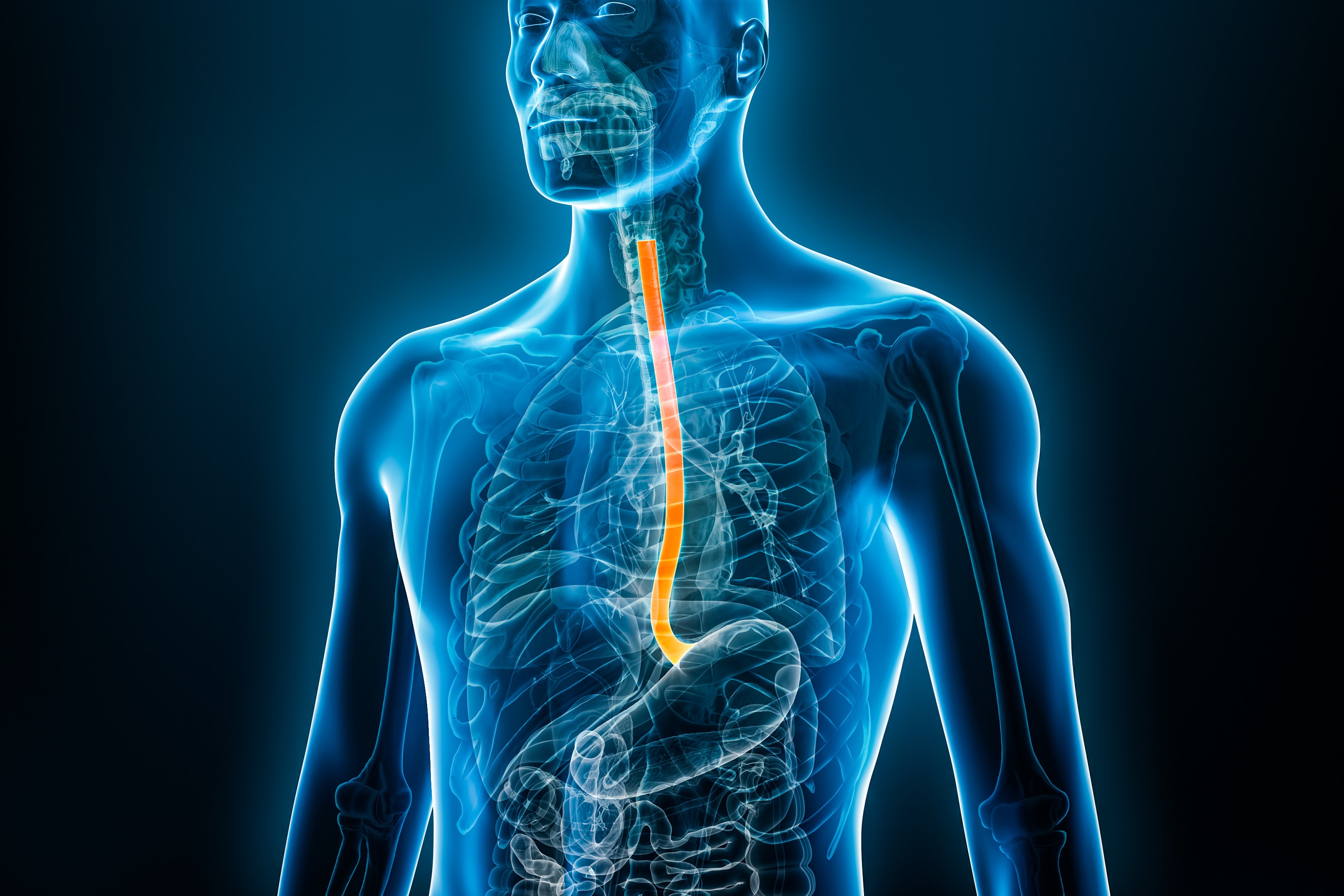
To standardize assessment, the AGA facilitated the development of the Index of Severity for Eosinophilic Esophagitis (I-SEE).
Index of Severity for Eosinophilic Esophagitis: Growing body of evidence supports use
-
by Andrew Dickerson, MD , Corey Ketchem, MD, Carey Cotton, MD, Tetsuo Shoda, MD, PhD
I-SEE aims to provide a more comprehensive assessment that goes beyond eosinophil counts to include symptom frequency, complications, and signs of remodeling.

Approach to weight management in GI practice
-
by Colleen R. Kelly, MD
As gastroenterologists, we treat a number of conditions that are caused or worsened by obesity.

'Don’t take shortcuts,' endoscopy researcher advises
-
by Jennifer Lubell
Dr. Jovani compared two different types of needles for tissue acquisition with endoscopic ultrasound.
AGA releases updated guideline on endoscopic surveillance of Barrett’s esophagus
-
by Wendy LaGrego
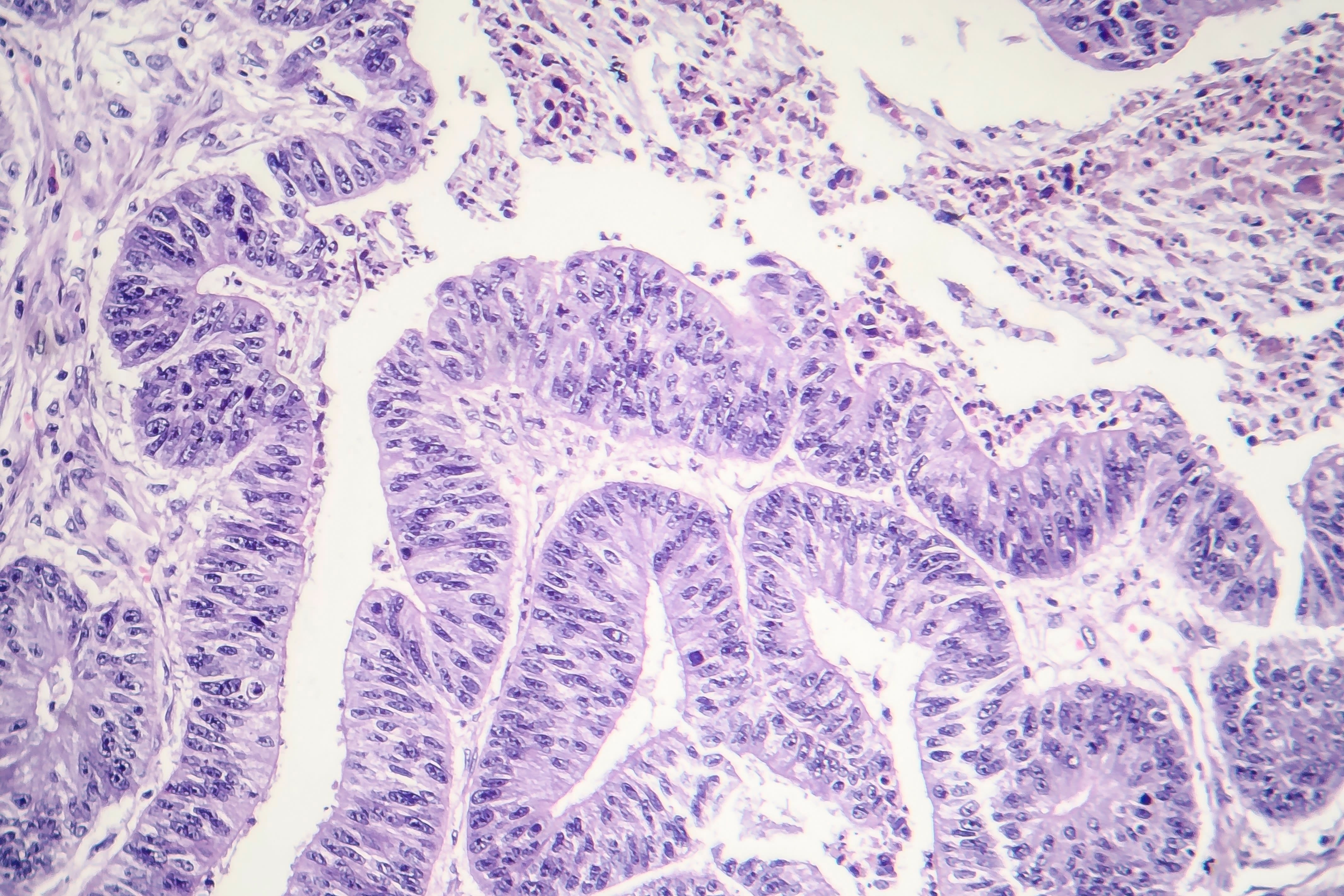
A panel came to a consensus on eight recommendations regarding the role of endoscopic surveillance in patients with Barrett’s esophagus.
AI in gastroenterology and endoscopy
-
by Gyanprakash A. Ketwaroo, MD, MSc, Yuvaraj Singh, MD, Alessandro Colletta, MD, Dennis L. Shung, MD, MHS, PhD, Neil Marya, MD
AI tools that were once conceptual are now entering everyday practice,

New data tie GLP-1 therapies to GERD
-
by Jennifer Ford
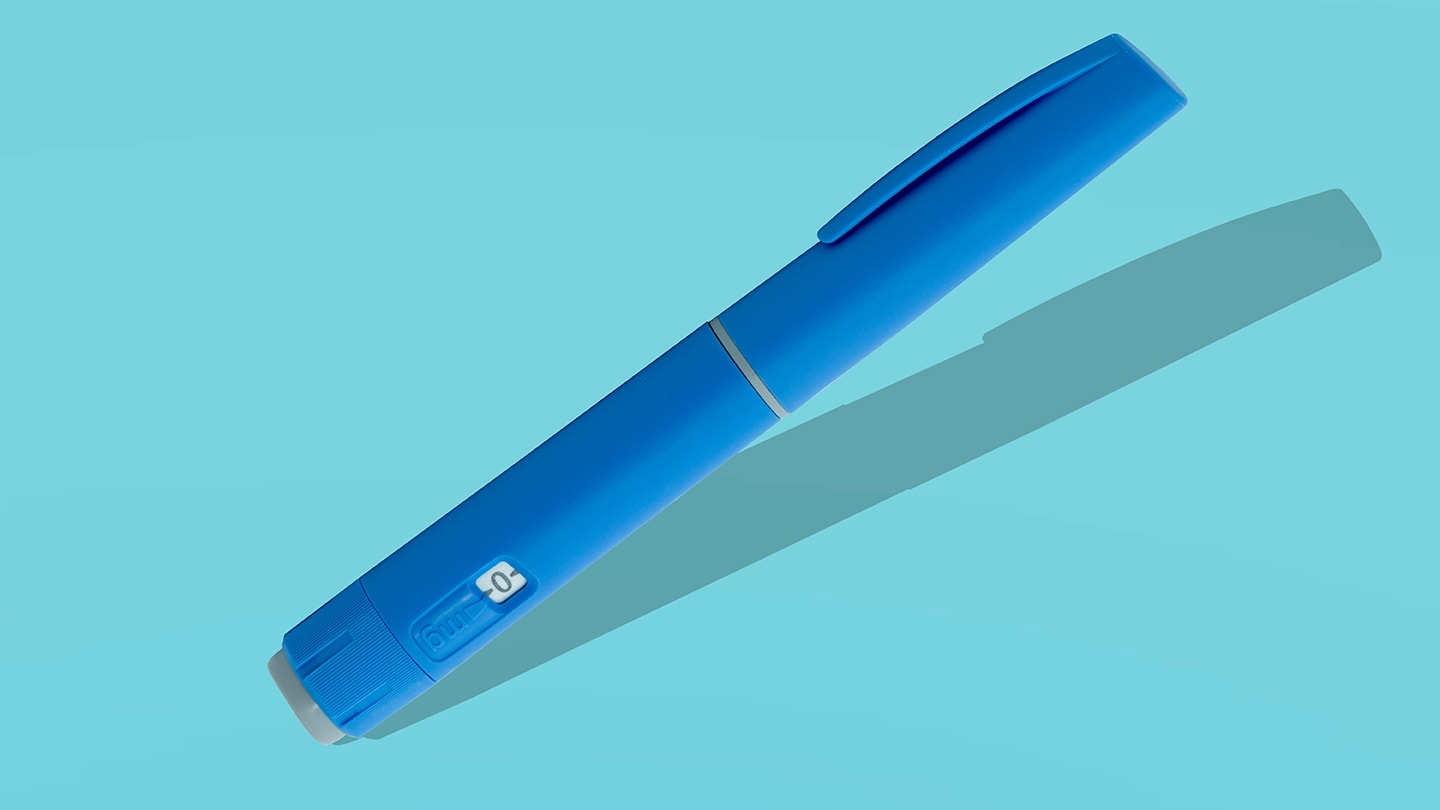
"These potential risks should be weighed against the established clinical benefits of this drug class."
Evolving standards of practice: esophageal varices and Barrett’s esophagus
-
by Gyanprakash A. Ketwaroo, MD, MSc, Tarek Sawas, MD, Anahita Rabiee, MD
GLP-1 receptor agonist use in gastrointestinal endoscopy: A review of current evidence and guidelines
-
by Sitharthan Sekar, MD, Nikiya Asamoah, MD
GLP-1 receptor agonist use in gastrointestinal endoscopy: A review of current evidence and guidelines
-
by Sitharthan Sekar, MD, Nikiya Asamoah, MD
Although there is little data to guide clinicians, several recent studies can direct clinical decision-making as guidelines continue to be refined and updated.
Letter from the EIC: Vital partners in GI care
-
by Megan A. Adams, MD, JD, MSc
In this month’s issue of GIHN, we present the exciting results of the BOSS trial and more.

Improving care for patients from historically minoritized and marginalized communities with disorders of gut-brain interaction
-
by Rosa Yu, MD, Jennifer Dimino, MD, Christopher Velez, MD, GI and Hepatology News
Treating Barrett’s esophagus: Comparing EMR and ESD
-
by Gyanprakash A. Ketwaroo, MD, MSc, Mohamed O. Othman, MD, AGAF, Silvio W. De Melo Jr., MD, AGAF
How do we incorporate ESD into our algorithm for management?

A practical approach to diagnosis and management of eosinophilic esophagitis
-
by Evan S. Dellon, MD, MPH
Eosinophilic esophagitis can be considered a “young” disease, with initial case series reported only about 30 years ago.
Improving care for sexual and gender minority patients with disorders of gut-brain interaction
-
by Kara J. Jencks, MD, Christopher Velez, MD
Clinical research in early career academic medicine
-
by Lauren D. Feld, MD, Kathy Nguyen, Katherine Cooper, MD, Loren Galler Rabinowitz, MD, Amiko M. Uchida, MD
Many exciting opportunities and notable barriers exist to establishing a clinical research laboratory in the early career.

Endoscopist brings cutting-edge tech to Asia-Pacific region
-
by Jennifer Lubell
As the COVID-19 crisis unfolded, Tossapol Kerdsirichairat, MD, faced another challenge: his mother’s ovarian cancer diagnosis.
Treating GERD: Lifestyle modifications vs medication
-
by Gyanprakash A. Ketwaroo, MD, MSc, Juan D. Gomez, MD, Brijesh B. Patel, MD
While PPIs are highly effective, concerns about their potential side effects frequently make headlines.

Medical, endoscopic, and surgical management of gastroesophageal reflux disease
-
by Patrick Chang, MD, Supisara Tintara, MD, Jennifer Phan, MD
Navigating ethical and clinical considerations relating to percutaneous gastrostomy (PEG) tubes
-
by Emily Seltzer, DO, MS, Antoinette Pusateri, MD, Anh D. Nguyen, MD, Ellen Stein, MD, AGAF
Achieving promotion for junior faculty in academic medicine: An interview with experts
-
by Vineet S. Rolston, MD, Sophie Balzora, MD, Mark A. Schattner, MD
Opting for a career in academic medicine can offer benefits such as increased autonomy and scheduling flexibility.

Eosinophilic esophagitis: A year in review
-
by Joan W. Chen, MD, MS
Diet remains the only therapy targeting the cause of EoE and offers a potential drug-free remission.

Approach to dysphagia
-
by Tanisha Ronnie, MD, Lauren Bloomberg, MD, Mukund Venu, MD, FACG
According to AHRQ, dysphagia may be responsible for up to 60,000 deaths annually.

Establishing an advanced endoscopy practice: Tips for trainees and early faculty
-
by A. Samad Soudagar, MD, Mohammad Bilal, MD, FACP
Immune checkpoint inhibitor–related gastrointestinal adverse events
-
by Joshua Kwon, MD, Paul T. Kröner, MD, MSc