Conference News
The Latest
Celiac care nears a turning point in screening and treatment, expert says
-
by Doug Brunk
Many patients continue to experience symptoms and life disruptions despite a gluten-free diet, fueling demand for better options.
How to explain IBS so patients believe you
-
by Bob Alaburda
Faculty shared the language, framing, and prescribing pearls they use to diagnose and counsel patients with disorders of gut-brain interaction.

Targeted screening may catch pancreatic cancer early enough to improve survival
-
by Doug Brunk
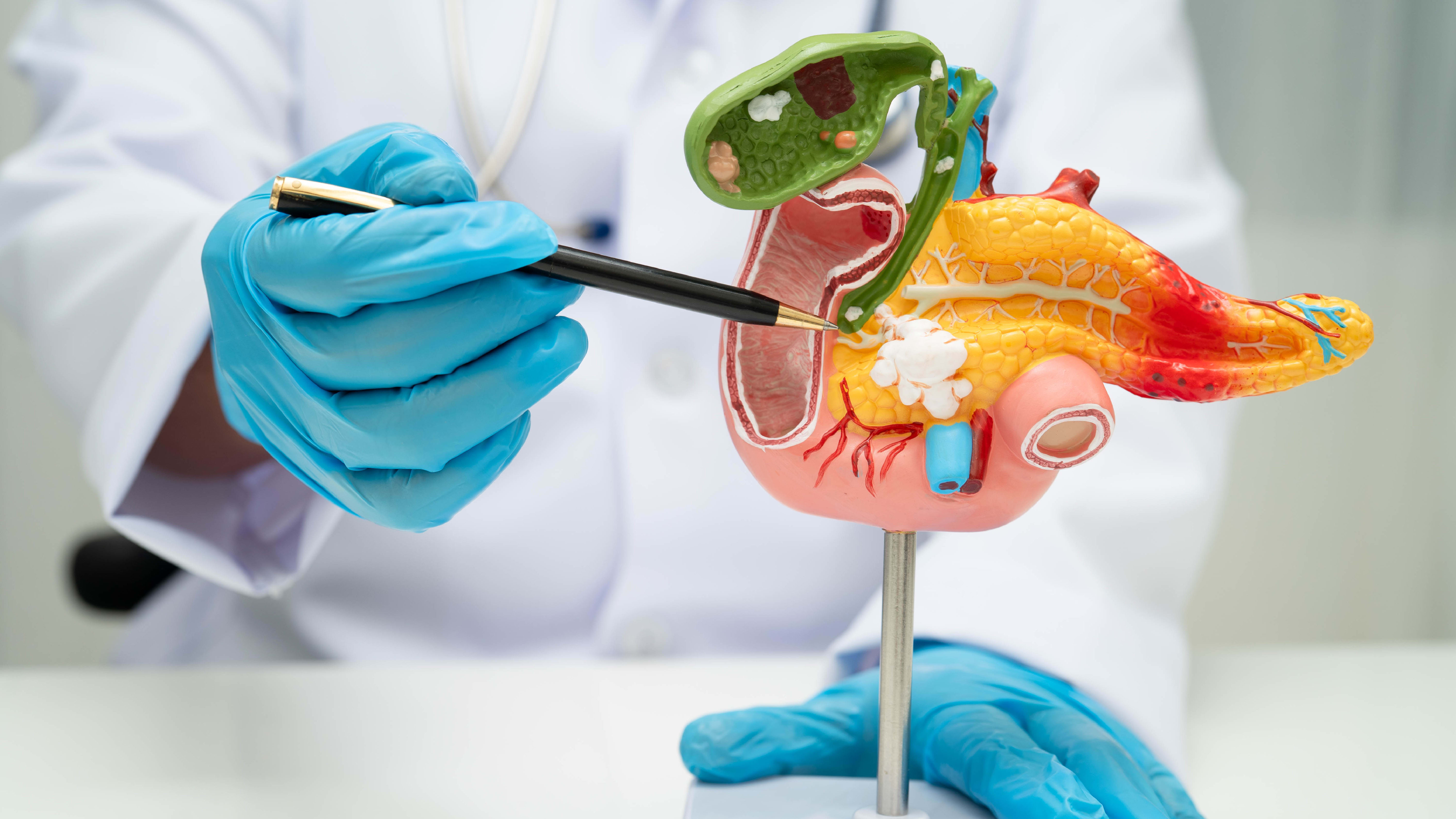
New-onset diabetes, genetic risk, and imaging advances may improve early detection and survival for patients at high risk.
Screening expansion raises questions in Barrett's care
-
by Doug Brunk
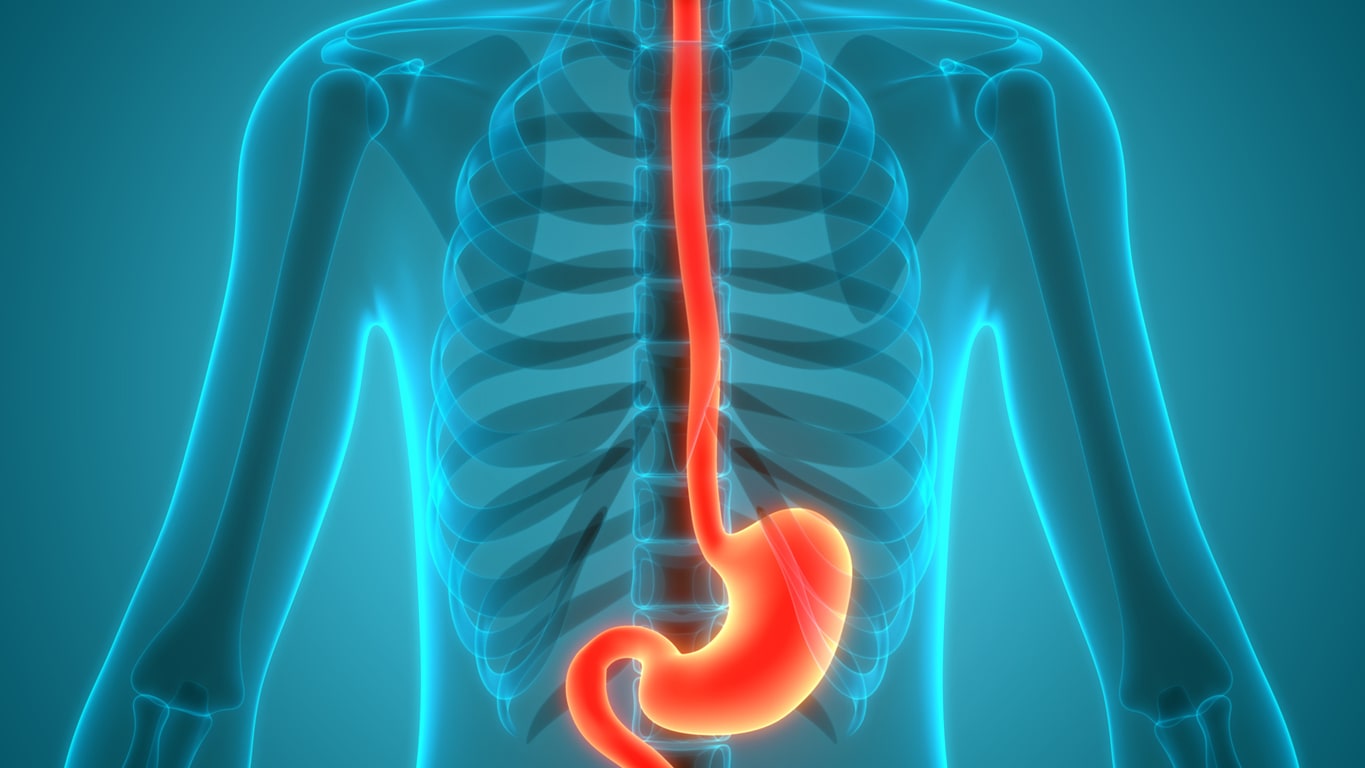
New data support less invasive screening tools and biomarker-driven surveillance as physicians weigh how broadly to screen for Barrett’s esophagus and esophageal cancer.

Early ‘top-down’ therapy reduces Crohn’s disease complications
-
by Alun Evans
PROFILE follow-up data showed lower rates of surgery, hospitalization, and disease progression versus step-up treatment.

Study supports sex- and comorbidity-based cutoffs for stopping Barrett's surveillance
-
by Alun Evans
“Most physicians make future surveillance decisions heavily based on perceived risk for EAC without considering … life expectancy.”
Thiopurines can be safely stopped when switching to subcutaneous infliximab, trial finds
-
by Olivia Anderson
MINIMISE trial found no rise in antidrug antibodies or disease activity at 24 weeks after withdrawal.

Switching to subcutaneous infliximab may cut treatment failure in IBD
-
by Bob Alaburda
Randomized trial finds 48-week treatment failure dropped from 40% to 15% after switching from IV.

Better onboarding may help GI practices retain APPs
-
by Doug Brunk
Practical strategies from GI experts focus on mentorship, staged autonomy, and avoiding early burnout.

ESMR-L found noninferior to ESD in rectal NETs
-
by Julie Greenbaum
Randomized trial shows comparable resection with shorter procedures and lower costs.

AI liquid biopsy flags occult metastases in ICC before surgery
-
by Julia Cipriano
EXOMIC assay may identify candidates for neoadjuvant therapy and improve preoperative risk stratification.

Late post-colonoscopy cancers tied to detection rate
-
by Julia Cipriano
Ten-year data suggest the protective effect of a high adenoma detection rate persists well beyond four years.

Metabolic disease burden tied to worse outcomes in untreated chronic hepatitis B
-
by Alun Evans
Diabetes alone was linked to higher liver cancer risk and mortality in REAL-B cohort.
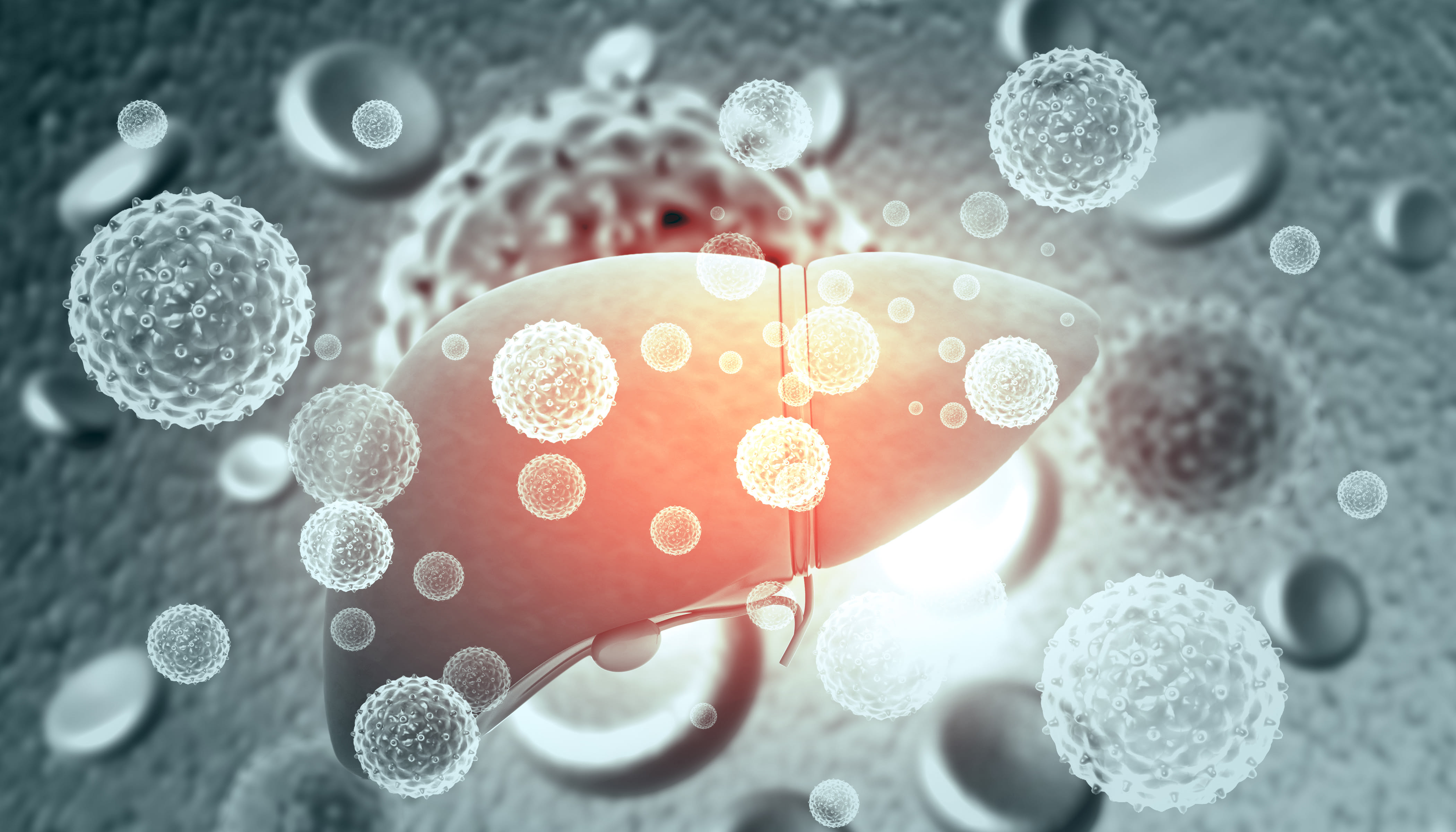
Cholangitis trial supports stopping antibiotics 24 hours after drainage
-
by Noah Levine
In a 413-patient randomized trial, a single-day course matched the guideline-recommended four to seven days for clinical cure.

Nonendoscopic screening detects Barrett's esophagus in at-risk veterans without GERD
-
by Julie Greenbaum
Swallowable cell-collection device showed 100% sensitivity in veterans lacking classic reflux symptoms.

AI score may boost UC trial efficiency
-
by Doug Brunk
Continuous endoscopic metric may detect treatment effects with fewer patients.
Genetic risk for colorectal cancer growing, analysis shows
-
by Bob Alaburda
“Genetic risk stratification may be increasingly useful in today's population, especially when applied at younger ages.”
Interventional endoscopy roughly doubles per-case emissions
-
by Doug Brunk
“As climate change continues to reshape our healthcare systems, conscientious materials purchasing, optimized recycling and processing, and continual endoscopy suite audits can mitigate overall waste and reduce environmental impact.”

Dual-pathway co-antibody therapy shows promise in refractory IBD
-
by Noah Levine
Dual inhibition of TNF-α and IL-23 pathways yields superior outcomes vs monotherapy in phase 2b Crohn’s and UC trials.

Largest cohort to date clarifies natural history of hereditary pancreatitis
-
by Bob Alaburda
“Our results support the need for long-term follow-up of all individuals carrying pathogenic trypsinogen gene variants, not only those with chronic pain or recurrent pancreatitis.”

Higher-dose advanced therapies linked to better UC remission
-
by Doug Brunk
“In UC, undertreatment can carry major consequences, including persistent inflammation, steroid exposure, hospitalization, and surgery.”

AGA president maps innovation agenda at DDW® 2026
-
by Doug Brunk
Dr. Lawrence Kim called for a unified approach to innovation spanning AI, genomics, workforce development, and policy advocacy.

Physician triage changed management in nearly 1 in 4 GI referrals
-
by Bob Alaburda
Specialists found that 47% of referrals were flagged as urgent or STAT, yet only 23% required care within a two-week window.

Antibiotics tied to early adenoma risk, study finds
-
by Doug Brunk
A nested case-control study of nearly 24,000 patients found cumulative exposure and timing both matter.

Autoimmune hepatitis linked to significantly higher risk of extrahepatic cancers
-
by Doug Brunk
“While autoimmune hepatitis is known to increase liver cancer risk, its association with cancers outside the liver remains poorly defined."

AI-assisted colonoscopy linked to higher adenoma detection
-
by Doug Brunk
A real-world analysis of more than 1.5 million matched patients links AI-assisted colonoscopy to a 47% reduction in interval colorectal cancer.

Early-onset CRC deaths rising fast, analysis finds
-
by Doug Brunk
“Rectal cancer is striking younger Americans earlier and killing faster."

Investigational endoscopic therapy maintains weight after GLP-1 discontinuation
-
by Doug Brunk
The treatment could provide an "off-ramp for patients who either can't or don't want to be on these drugs long-term."

Late-night eating, stress tied to bowel issues
-
by Doug Brunk
Meal timing “might magnify the impact of stress on the microbiome via the gut-brain axis."

Edulis Therapeutics takes top honors at AGA Shark Tank Pitch competition
-
by Doug Brunk
The company has developed a drug-delivery system that implants medication directly into the GI tract.

Surgical strategy for perianal Crohn's: Lessons from TOpCLASS
-
by Doug Brunk
MRI-guided staging helps reshape surgical decision-making.
Creeping fat in Crohn's may turn harmful
-
by Doug Brunk
Even though it is common, the condition has not been studied much.
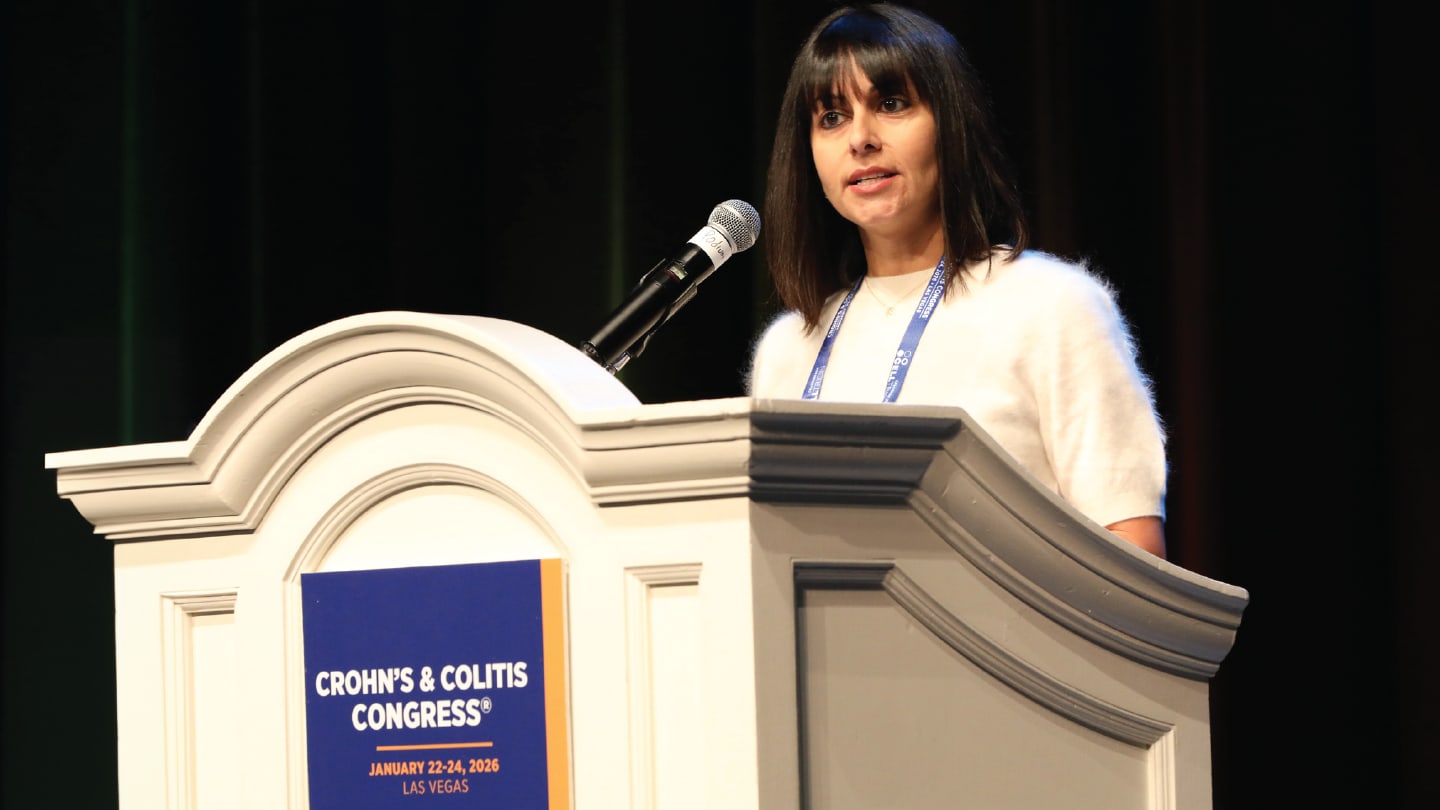
MRI-based standard may predict outcomes in perianal Crohn's
-
by Doug Brunk
The TopCLASS definition identifies healing based on three criteria.
Postoperative Crohn’s: What’s changed?
-
by Doug Brunk
The concept of reusing anti-TNF therapy after surgery is gaining traction.

Expert spotlights advances in ulcerative colitis treatment
-
by Doug Brunk
“Appendicectomy is a viable and safe strategy for reducing the relapse rate in patients with UC compared to standard medical therapy alone,” Dr. Kara De Felice said.

New Crohn's data spotlight promising therapies
-
by Doug Brunk
Beyond drugs, interest is growing in diet-based treatments.
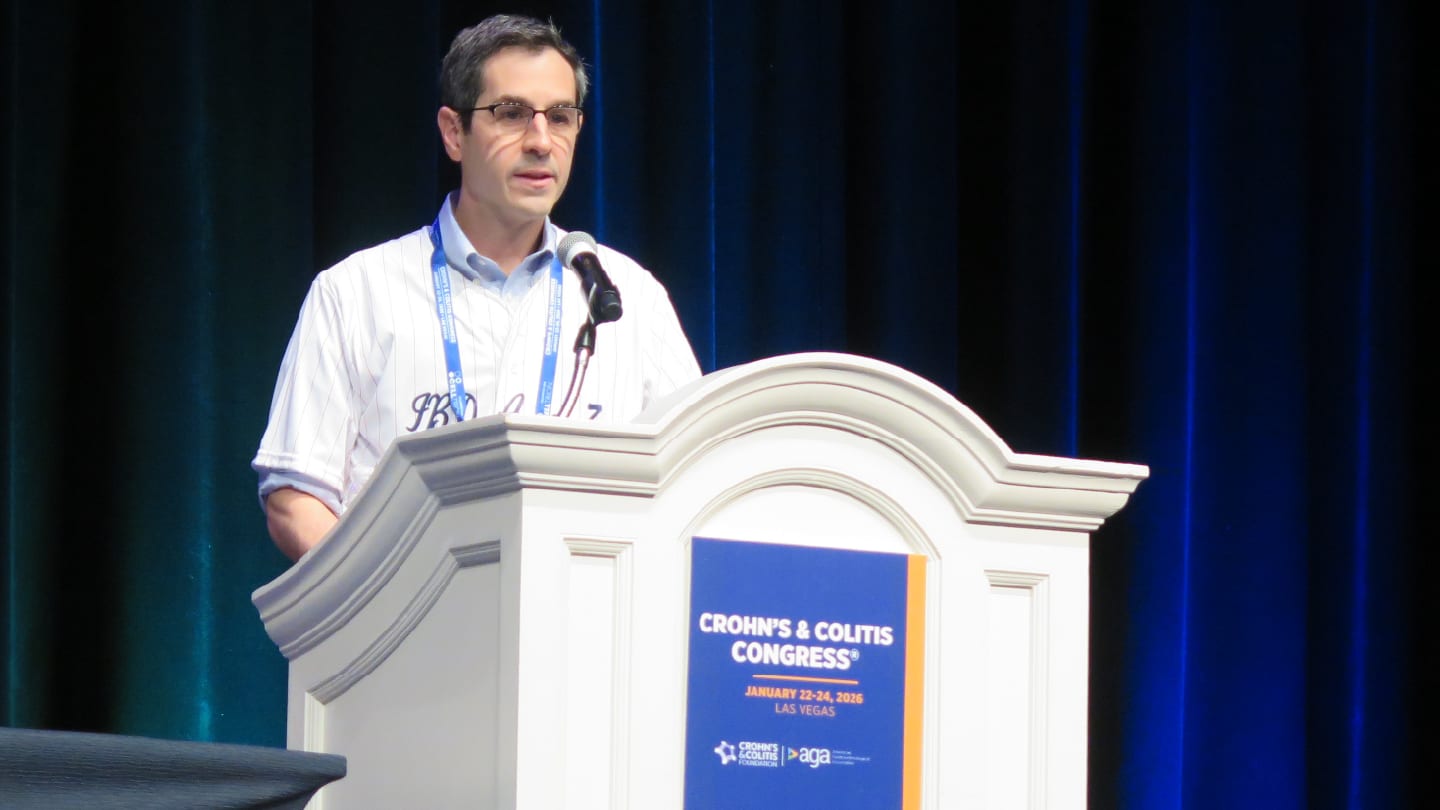
Four reasons to add intestinal ultrasound to your practice
-
by Doug Brunk
“It's really made its way already into the mainstream of IBD care,” Dr. Rishika Chugh said.

Upadacitinib in pediatric IBD: 52-week results
-
by Doug Brunk
Response in those with ulcerative colitis was especially strong.

FMT improves IBD remission, meta-analysis suggests
-
by Doug Brunk
Researchers evaluated 7 trials involving 542 patients with UC or CD.

GLP-1 therapy in Crohn's disease: Fewer steroids, hospitalizations
-
by Doug Brunk
“What stood out most was the consistent association between GLP-1 receptor agonist use and lower steroid dependence."

Positive trends in chronic HCV mortality
-
by Doug Brunk
“DAAs have revolutionized the management of HCV by making it a curable disease.”
Tirzepatide tops semaglutide for cardiometabolic protection in MASLD
-
by Doug Brunk
The study authors recommend prospective head-to-head trials to validate the findings.
ALD-related HCC mortality surges
-
by Doug Brunk
The findings underscore the urgent need for targeted prevention strategies among high-risk group.
New score challenges old predictors
-
by Kerri Miller
"MERAGE has superior performance for predicting return to drinking (RTD) compared to HRAR in AH."

ED drugs tied to lower gastric cancer risk
-
by Kerri Miller
Large retrospective study finds 30% reduction in gastric malignancy among men taking erectile dysfunction medications.
Gastric microbiome shifts track H pylori virulence
-
by Kerri Miller
Pathogenic bacterial genotypes correlate with distinct microbial communities; overall α-diversity is unchanged, but virulent strains show greater diversity within subgroups as atrophy progresses

Bariatric surgery vs GLP-1s: GERD risk
-
by Kerri Miller
Propensity-matched analysis of over 80,000 patients reveals bariatric surgery nearly doubles five-year esophageal complication rates compared with GLP-1 RA therapy.
Sarcopenia, thrombosis, and renal dysfunction dominate cirrhosis complication updates
-
by Kerri Miller
New diagnostic approaches and treatment controversies emerge for managing advanced liver disease complications.

Lower GI mistakes: Postop Crohn's, vaccine gaps, colonoscopy errors
-
by Kerri Miller
"There's no such thing as a routine colonoscopy. Every colonoscopy has a potential for mistakes."
Nutritional IBD screening tools ranked
-
by Kerri Miller
"MIRT might be the NSTs of choice to predict defined malnutrition and low-Fat Free Mass Index at 6 months follow-up in a cohort of inactive/mildly active IBD patients."
Do quadruple therapies beat triple for H. pylori?
-
by Kerri Miller
Concomitant and bismuth quadruple regimens provided substantially higher eradication rates than triple therapy without an adherence penalty.
Global IBD trial experts agree on steroid standards
-
by Teraya Smith
New guidance issued on how steroids should be managed in clinical trial settings.
Open vs robotic liver resections, study results
-
by Teraya Smith
Complication rates and hospital stays were analyzed across both surgical groups.

AGA unveils annual recognition award recipients
-
by Doug Brunk
The honorees reflect the best of the specialty, from groundbreaking research to outstanding patient care and leadership.

Advances in pancreaticobiliary disease interventions: More options and better outcomes
-
by Allison R. Schulman, MD, MPH
Over the last several decades, the endoscopic treatment of pancreaticobiliary disease has advanced exponentially.
Eosinophilic esophagitis: A year in review
-
by Joan W. Chen, MD, MS
Diet remains the only therapy targeting the cause of EoE and offers a potential drug-free remission.