
From the Journals
The Latest
No payoff found from higher doses in H. pylori treatment
-
by Doug Brunk
"When bismuth quadruple therapy was prescribed, increasing drug doses beyond the standard generally did not improve cure rates."

Kissing poses low gluten transfer risk, study finds
-
by Doug Brunk
Drinking a small amount of water after gluten ingestion eliminated exposures.

Fecal test levels refine post-polypectomy surveillance
-
by Doug Brunk
Integrating fecal hemoglobin into surveillance decisions “can optimize colonoscopy resource allocation without compromising colorectal cancer risk reduction.”

Navigation, FIT may increase CRC screening
-
by Julie Greenbaum
"Patient navigation and mailed fecal immunochemical test outreach are very impactful strategies for increasing screening uptake, consistently outperforming usual care."
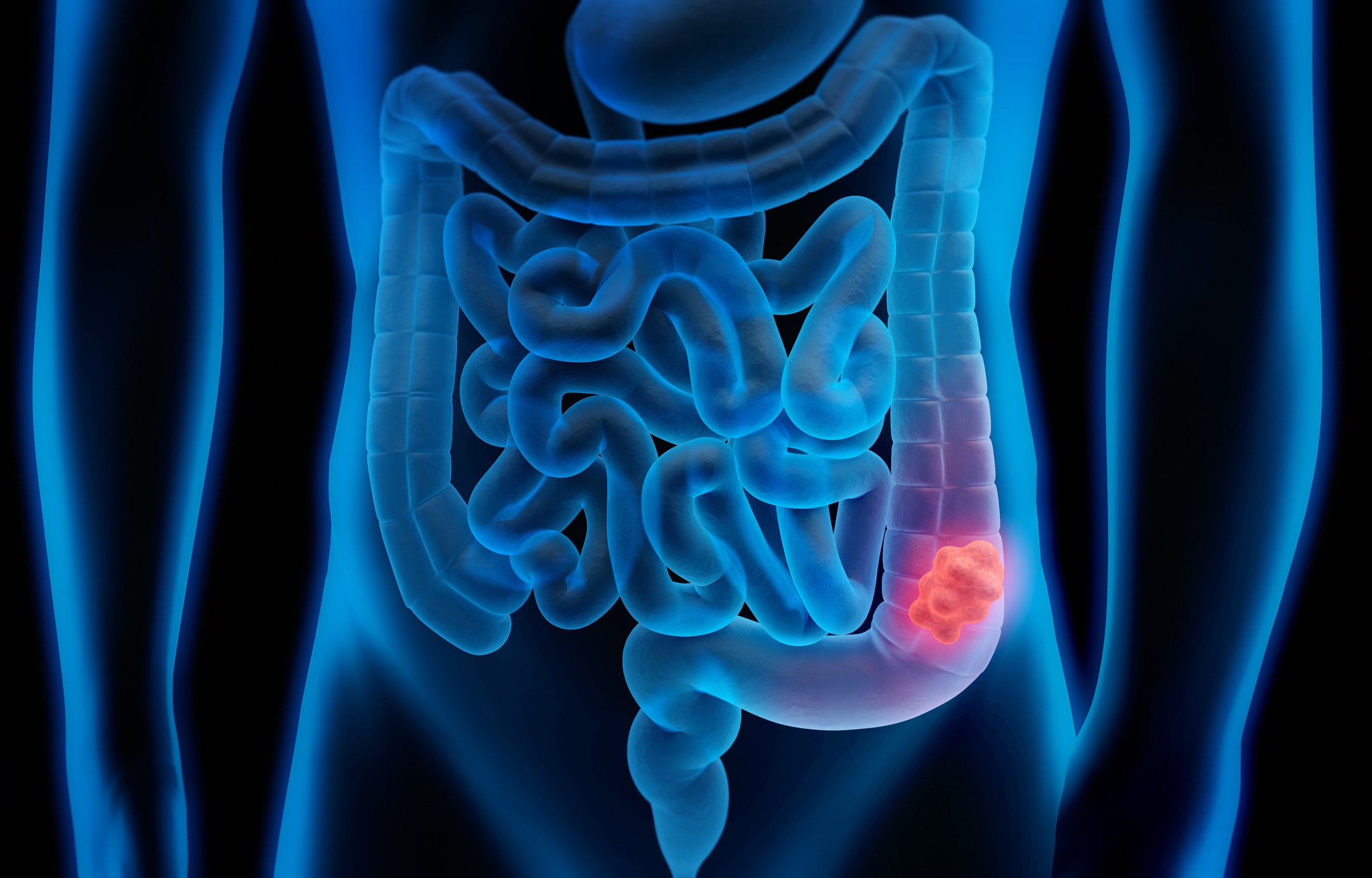
Case study: Gastric ulcer mimicking malignancy
-
by Amy Pfeiffer
In patients with gastric ulcers suspicious for malignancy but lacking histologic confirmation, IgG4-related disease should be considered.

Advanced adenomas help predict risk after negative surveillance
-
by Matthew Solan
"The results of this study can aid endoscopists in decision-making surrounding interval follow-up."

Gluten found to trigger immune response at very low doses
-
by Doug Brunk
Even trace exposures below labeling standards activate immune pathways while symptoms fail to signal risk.

Subcutaneous guselkumab shows strong remission in phase 3 UC trial
-
by Jess Allerton
"Guselkumab provides an excellent choice for patients and clinicians where safety, efficacy, and convenience are priorities.”

Delaying DOAC after colonoscopy: Weighing the risks
-
by Kathryn Wighton
"The lack of an evidence base has prevented several gastroenterology societies from offering recommendations."

Atezolizumab boosts colon cancer disease-free survival, study finds
-
by Doug Brunk
"The addition of atezolizumab to mFOLFOX6 therapy resulted in a significantly lower risk of recurrence or death."
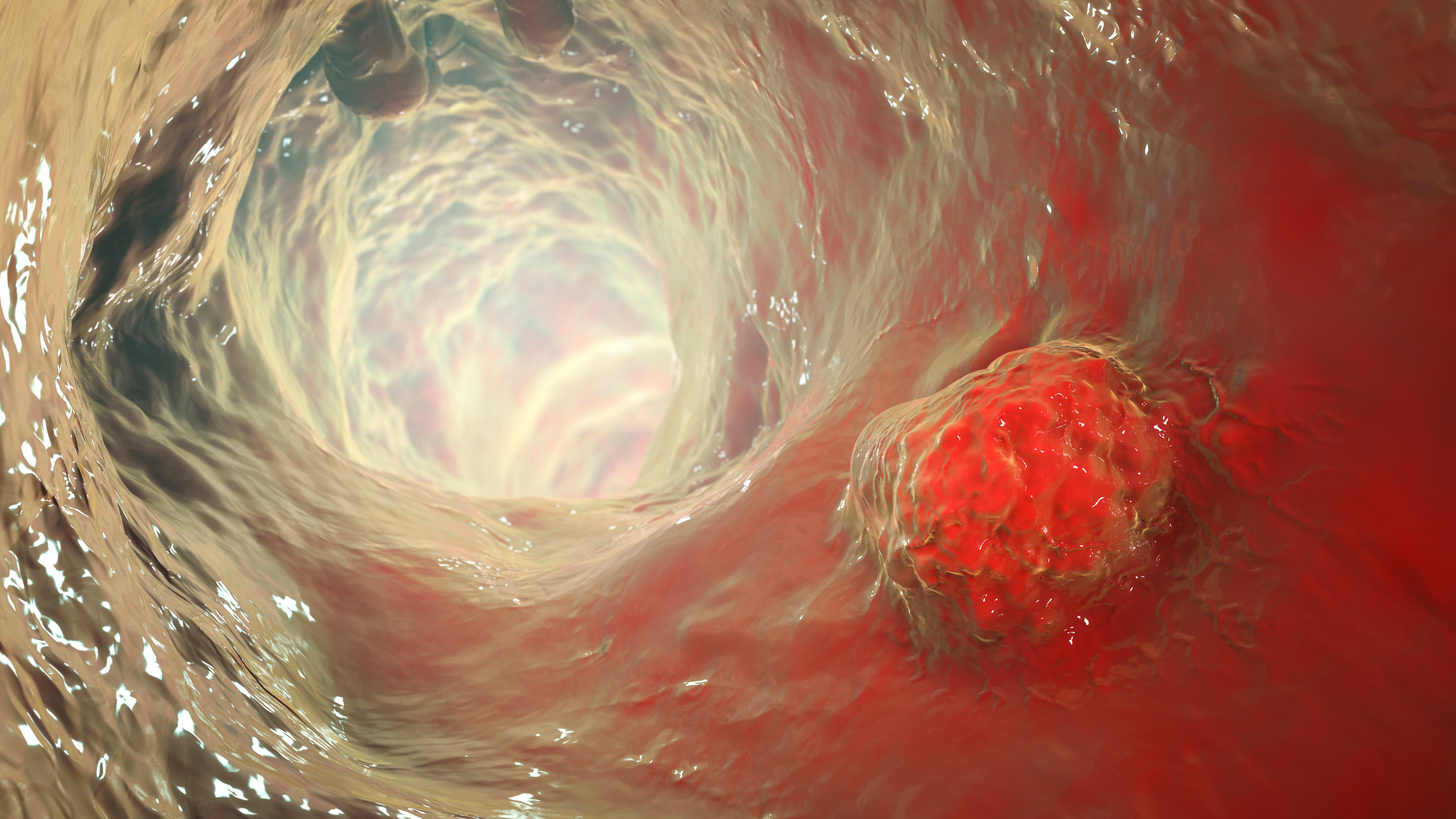
New findings 'expose a critical blind spot in liver disease classification'
-
by Julia Cipriano
Routine underreporting of consumption means many patients are being misclassified as MASLD.

MRI techniques shown to improve cirrhosis diagnosis
-
by Doug Brunk
MR elastography found to provide detailed, noninvasive staging even in patients with advanced disease.

Timing of H. pylori diagnosis may limit gastric cancer prevention
-
by Julia Cipriano
The benefit of eradication “likely requires early detection and adequate follow-up.”

ESD outcomes favor low-risk CRC care
-
by Doug Brunk
"Intensive follow-up is unnecessary for low-risk T1 colorectal cancer after curative ESD."

Darvadstrocel falls short for Crohn’s in phase 3 trial
-
by Alun Evans
The allogeneic adipose-derived stem cell therapy did not significantly improve remission rates compared with placebo.

MASLD fibrosis significantly drives HCC risk, study finds
-
by Doug Brunk
Large patient-level meta-analysis clarifies how fibrosis stage shapes liver cancer risk.

APC mosaicism may explain unresolved polyposis cases
-
by Henry Thomas
Targeted mosaicism testing may improve diagnostic yield.

AGA updates MASLD care pathway
-
by Doug Brunk
A two-tier strategy is recommended using noninvasive tests to identify patients who require specialty evaluation.
Abdominal distension, edema lead to rare diagnosis
-
by Amy Pfeiffer
A case study describes how extensive pancreatic and retroperitoneal lymphatic malformations caused protein-losing enteropathy and severe hypoproteinemia in a young patient.

Simulation training may boost polypectomy technique
-
by Jess Allerton
"There is no universal method for performing polypectomy, despite the high volume of procedures performed annually."

Mirikizumab in Crohn’s: Two-year data suggest continued benefit
-
by Julia Cipriano
"There is considerable interest in using these agents earlier in the treatment paradigm."

AI system offers no benefit in upper endoscopy, study finds
-
by Amy Pfeiffer
"Our study is the first to underscore the critical role of rigorous pathologic review in evaluating AI systems."

Tirzepatide outperforms semaglutide for weight loss
-
by Julie Greenbaum
Real-world data show greater weight loss with dual incretin therapy.

Time-restricted feeding linked to improvements in Crohn’s disease
-
by Sierra Rendon
Randomized study suggests meal timing strategy may complement standard therapy in select patients.

Gut abnormalities persist even in Crohn's remission
-
by Doug Brunk
Multi-omics analysis reveals ongoing epithelial and microbial disruption despite effective immune suppression.

What ulcerative colitis biopsies reveal about healing
-
by Jess Allerton
Analysis links endoscopic and histologic remission to molecular signals of mucosal recovery.

Lower health literacy tied to worse MASLD
-
by Doug Brunk
Pilot study links limited health literacy to greater liver stiffness, steatosis, and obesity in a clinic cohort.

The push to prevent Crohn's disease
-
by Doug Brunk
Through INTERCEPT, efforts are underway to develop a blood-based risk score capable of predicting CD and to prevent disease onset.

Steroids show modest 28-day benefit in severe alcohol-associated hepatitis
-
by Doug Brunk
Steroids improve early survival in severe alcohol-associated hepatitis — but long-term benefit remains uncertain.

Review: Diagnosis and therapy timing shape IBD outcomes
-
by Julie Greenbaum
Evidence supports earlier advanced therapy in CD, but data remain mixed in UC.

Gastric cancer risk rises in familial adenomatous polyposis
-
by Doug Brunk
FAP patients found to have a 12-fold higher risk of gastric cancer than the general population.

Expert weighs in on ADR-A as a colonoscopy quality metric
-
by Julia Cipriano
All-exam ADR predicts post-colonoscopy cancer risk and supports broader quality measurement.
Pediatric MASLD tied to early morbidity
-
by Doug Brunk
Review details rising prevalence and early fibrosis risk.

FIT yields decline after the first round — but remain clinically meaningful over time
-
by Sierra Rendon
Findings from 2.8M invitees reinforce the value of sustained screening.

Early IBD care tied to better CD outcomes
-
by Doug Brunk
Review synthesizes data linking diagnostic delay to complications and supports early biologic therapy in Crohn’s disease.

Equity gaps are now a frontline issue in IBD care
-
by Sierra Rendon
As IBD prevalence rises worldwide, a new review argues that “equal access” isn’t enough — and lays out practical steps GI teams and health systems can take to reduce disparities in diagnosis, monitoring, and advanced therapy use.

Diet-microbiome links drive IBD inflammation
-
by Doug Brunk
Advanced genetic testing of gut bacteria shows certain microbes and their byproducts may help lower inflammation in Crohn’s disease and ulcerative colitis.

Endohepatology expands clinical reach
-
by Doug Brunk
Review details performance data, comparative trials, and persistent gaps as EUS moves deeper into hepatology practice.
Study: Income, BMI linked to CCE completion
-
by Doug Brunk
Danish screening data identify clinical and socioeconomic factors that significantly influence the likelihood of a complete colon capsule examination.

Inflammation severity at cancer diagnosis tied to outcomes in ulcerative colitis
-
by Sierra Rendon
Nationwide Japanese study finds colorectal cancers within UC-affected mucosa linked to lower recurrence-free and cancer-specific survival.

Diabetes duration tied to risk of pancreatic cystic neoplasms in nationwide cohort
-
by Amy Pfeiffer
A population-based Korean cohort study found increasing pancreatic cyst risk with worsening glycemic status, with the highest risk among individuals with diabetes for 5 years or longer.

Endoscopic ultrasound pushes beyond biopsy in diagnostics
-
by Doug Brunk
Review highlights advances that expand endoscopic ultrasound into precision diagnostics and personalized therapy across pancreatic and liver diseases.

Olezarsen shows promise for severe hypertriglyceridemia management
-
by Sierra Rendon
Early-phase trial results highlight potential to reduce pancreatitis risk and offer clinicians a new treatment option for high-risk patients.

Vonoprazan-tetracycline: A promising rescue strategy for H. pylori
-
by Doug Brunk
Two-drug regimen clears infection with fewer side effects after prior failure.

Peripheral gaze guidance improves adenoma detection rate
-
by Doug Brunk
“Peripheral gaze guidance significantly improved adenoma detection — particularly for flat lesions — regardless of endoscopist experience level."
Combination therapy shows promise for hepatitis D in phase 2 trial
-
by Amy Pfeiffer
"Tobevibart and elebsiran have complementary mechanisms of action."

Global MASH costs set to double by 2040
-
by Doug Brunk
A multinational modeling study projects sharp rises in advanced liver disease, deaths and health care spending tied to MASH across nine countries.

Creeping fat in Crohn's may turn harmful
-
by Doug Brunk
Even though it is common, the condition has not been studied much.
Navigating primary sclerosing cholangitis: Diagnosis and the 5 pillars of management
-
by Judy A. Trieu, MD, MPH, Mahesh Krishna, MD, David N. Assis, MD
Primary sclerosing cholangitis remains a challenging disease to diagnose and manage, due to varying presentations, associated disease processes, and lack of targeted treatment.

With a little help from my friends: What gastrointestinal pathologists need to know from gastroenterologists
-
by Raul S. Gonzalez, MD
Why better communication between gastroenterologists and pathologists matters for patient care.

Green endoscopy: Practical strategies to reduce environmental impact in GI practice
-
by Rabia de Latour, MD
There are plenty of opportunities for gastroenterologists, ambulatory surgery centers, endoscopy units, and outpatient clinics to implement changes that reduce GHG emissions.

2025 Sherman Prize Recipient Dr. Oriana Damas advances equity and innovation in IBD care
-
by Sierra Rendon
As a national leader in Hispanic IBD research, Dr. Damas bridges discovery and patient care to deliver more inclusive, precision-driven treatment.

How to negotiate it all: An employed position that allows entrepreneurship
-
by Nicole Shen, MD, MSc
Why smart contract strategy can protect your income, ideas, and independence in a changing medical economy.

Hospital care for IBD gets practical refresh
-
by Doug Brunk
“IBD experts around the country are receiving many more calls from community gastroenterologists for advice treating their hospitalized patients,” Dr. Shirley Cohen-Mekelburg said.

Tiny plastics may harm gut and liver health, review finds
-
by Doug Brunk
“Our aim was to start conversations between clinicians and their patients about this emerging risk,” Dr. Priyata Dutta explained.

Wearable devices show growing potential in IBD care
-
by Doug Brunk
"The use of wearables envisions a future where the assessment of disease activity would be ongoing, continuous, and free of clinical visits."

Acute pancreatitis is not 'one-and-done'
-
by Doug Brunk
"The reality is that while 96–98% of patients survive the acute event, a large proportion face clinically meaningful long-term pancreatic consequences that can be missed once they leave the hospital."
Cell-free DNA testing shows promise for early liver cancer detection
-
by Doug Brunk
Methylation-based cfDNA assays appear particularly promising.
Celiac markers unaffected by diet, proteomic analysis reveals
-
by Doug Brunk
“I was excited to find not just one but four markers that were invariant to diet."

JAK inhibitors show superior real-world efficacy in microscopic colitis
-
by Doug Brunk
“These findings pave the way for dedicated prospective trials and highlight evolving therapeutic strategies."
Colorectal stenosis after ESD is common but treatable endoscopically
-
by Doug Brunk
The multicenter study analyzed data from 315 patients over a 6-year period.

Single-molecule biosensor may enable earlier detection of high-risk pancreatic cysts
-
by Doug Brunk
The device is designed to detect biomarkers at extremely low concentrations, delivering rapid results.
Practice update: Refractory constipation
-
by Doug Brunk
Longstanding concerns about chronic stimulant laxative use are described as unfounded.

When gut-brain disorders affect eating in adults
-
by Doug Brunk
"Restrictive eating in DGBI is common beyond specialist clinics and highlights the need for integrated multidisciplinary care."

ACA expansion linked to better liver disease outcomes
-
by Doug Brunk
The analysis is believed to be the first of its kind.

Cirrhosis, age may shape HCC risk in PSC
-
by Doug Brunk
Investigators followed 3,071 patients for a mean of 12.5 years.
Infliximab levels predict ASUC outcomes
-
by Doug Brunk
Higher early clearance, especially by day 7, was strongly associated with nonresponse, treatment failure, and colectomy.
Building effective community-based IBD care: Key challenges and opportunities
-
by Doug Brunk
“I fear practices will lose their relevance if they do not start building systems and processes for cognitive care pathways like IBD."
GI experts debate ESG, GLP-1 roles in modern obesity treatment strategies
-
by Gyanprakash A. Ketwaroo, MD, MSc, Marianna T. Papademetriou, MD, Dan Maselli, MD, D-ABOM, Eric J. Vargas, MD, MS, D-ABOM
Dr. Marianna Papademetriou makes a strong case for embracing medical weight loss medications. Drs. Eric Vargas and Dan Maselli counter with an equally compelling defense of ESG, arguing that endobariatrics remains a vital, underused tool.

AGA unveils new clinical practice guideline for Crohn's disease
-
by Doug Brunk
The guidelines are living documents that “will be updated quarterly, allowing for rapid evolution as new data become available.”
CRC screening: Smartphone-based stool test matches lab accuracy
-
by Amy Pfeiffer
The findings point to a new tool for enhancing participation in CRC screening programs—particularly among younger, tech-savvy patients under 60 years who demonstrated higher adoption rates.

AGA issues updated guidance on HDV management
-
by Amy Pfeiffer
An AGA panel recommended universal HDV screening for all patients with chronic HBV infection.

Non-invasive blood and stool CRC screening tests: Available modalities and their clinical application
-
by Ekta Gupta, MD, Carol A. Burke, MD, Carole Macaron, MD
This review summarizes the test characteristics of stool and blood CRC screening options and provides guidance on clinical implications.
Does ESD equal TAMIS for early rectal neoplasms?
-
by Amy Pfeiffer
“ESD was associated with fewer technical constraints, higher procedural success, shorter hospitalization, lower cost, and greater patient acceptance."
Endoscopist skill found to predict short-term post-colonoscopy cancer
-
by Julian Upton
In the short term, the quality of the endoscopist is a stronger driver of cancer risk than polyp characteristics.

AGA releases updated guideline on endoscopic surveillance of Barrett’s esophagus
-
by Wendy LaGrego
A panel came to a consensus on eight recommendations regarding the role of endoscopic surveillance in patients with Barrett’s esophagus.
Intestinal ultrasound offers prognostic value in IBD pregnancy
-
by Kerri Miller
"We rely very little on symptoms in pregnancy — they’re so unreliable — and instead target fecal calprotectin under 100 and sonographic remission."

Improving care for patients from historically minoritized and marginalized communities with disorders of gut-brain interaction
-
by Rosa Yu, MD, Jennifer Dimino, MD, Christopher Velez, MD, GI and Hepatology News
Improving care for sexual and gender minority patients with disorders of gut-brain interaction
-
by Kara J. Jencks, MD, Christopher Velez, MD

How to discuss lifestyle modifications in MASLD
-
by Newsha Nikzad, MD, Daniel J. Huynh, BS, Nikki Duong, MD
Medical, endoscopic, and surgical management of gastroesophageal reflux disease
-
by Patrick Chang, MD, Supisara Tintara, MD, Jennifer Phan, MD
Navigating ethical and clinical considerations relating to percutaneous gastrostomy (PEG) tubes
-
by Emily Seltzer, DO, MS, Antoinette Pusateri, MD, Anh D. Nguyen, MD, Ellen Stein, MD, AGAF
Statins and the liver: Not harmful and perhaps beneficial
-
by Paul Martin, MD, Lawrence S. Friedman, MD
What gastroenterologists need to know about the 2024 Medicare payment rules
-
by GI and Hepatology News
Recruiting gastroenterology and hepatology fellows virtually - Should we continue after the pandemic?
-
by Lara Dakhoul, MD, Tiffany Rhoden, Virginia Clark, MD
Artificial intelligence applications in colonoscopy
-
by Eugenia N. Uche-Anya, MD, Tyler M. Berzin, MD
Immune checkpoint inhibitor–related gastrointestinal adverse events
-
by Joshua Kwon, MD, Paul T. Kröner, MD, MSc
Integrating intestinal ultrasound into inflammatory bowel disease training and practice in the United States
-
by Noa Krugliak Cleveland, MD, David T. Rubin, MD