
News
The Latest
Heavy drinking tied to increased fibrosis risk in MASLD
-
by Olivia Anderson
"Episodic heavy drinking is an incredibly common pattern right now among US adults that even when it’s occasional, can be especially harmful."

Clinical practice update: Electrosurgery guidance refines endoscopy practice
-
by Doug Brunk
“An understanding of the principles of electrosurgery is fundamental for its safe and effective use."

No payoff found from higher doses in H. pylori treatment
-
by Doug Brunk
"When bismuth quadruple therapy was prescribed, increasing drug doses beyond the standard generally did not improve cure rates."

Kissing poses low gluten transfer risk, study finds
-
by Doug Brunk
Drinking a small amount of water after gluten ingestion eliminated exposures.

Fecal test levels refine post-polypectomy surveillance
-
by Doug Brunk
Integrating fecal hemoglobin into surveillance decisions “can optimize colonoscopy resource allocation without compromising colorectal cancer risk reduction.”

Navigation, FIT may increase CRC screening
-
by Julie Greenbaum
"Patient navigation and mailed fecal immunochemical test outreach are very impactful strategies for increasing screening uptake, consistently outperforming usual care."
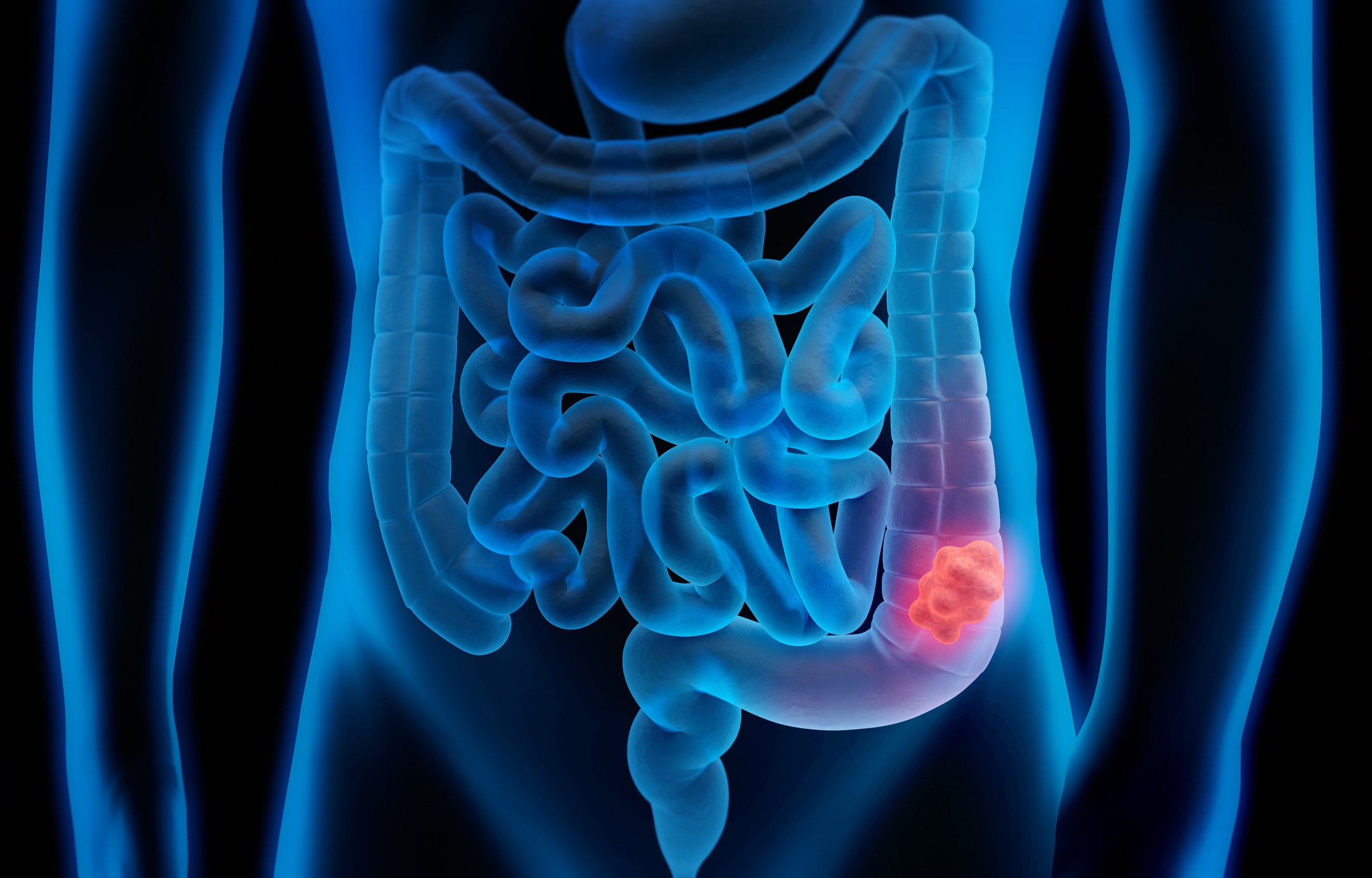
Case study: Gastric ulcer mimicking malignancy
-
by Amy Pfeiffer
In patients with gastric ulcers suspicious for malignancy but lacking histologic confirmation, IgG4-related disease should be considered.

Advanced adenomas help predict risk after negative surveillance
-
by Matthew Solan
"The results of this study can aid endoscopists in decision-making surrounding interval follow-up."

Rewriting the gut–brain story with Dr. Trisha Pasricha
-
by Sierra Rendon
The BIDMC Gut-Brain Institute director blends research, journalism, and stigma-busting education.

Gluten found to trigger immune response at very low doses
-
by Doug Brunk
Even trace exposures below labeling standards activate immune pathways while symptoms fail to signal risk.

Subcutaneous guselkumab shows strong remission in phase 3 UC trial
-
by Jess Allerton
"Guselkumab provides an excellent choice for patients and clinicians where safety, efficacy, and convenience are priorities.”

Delaying DOAC after colonoscopy: Weighing the risks
-
by Kathryn Wighton
"The lack of an evidence base has prevented several gastroenterology societies from offering recommendations."

Atezolizumab boosts colon cancer disease-free survival, study finds
-
by Doug Brunk
"The addition of atezolizumab to mFOLFOX6 therapy resulted in a significantly lower risk of recurrence or death."
Five startups reach AGA Shark Tank finals
-
by Doug Brunk
“It’s more about the inspiration than about the winner.”

New findings 'expose a critical blind spot in liver disease classification'
-
by Julia Cipriano
Routine underreporting of consumption means many patients are being misclassified as MASLD.

MRI techniques shown to improve cirrhosis diagnosis
-
by Doug Brunk
MR elastography found to provide detailed, noninvasive staging even in patients with advanced disease.

Timing of H. pylori diagnosis may limit gastric cancer prevention
-
by Julia Cipriano
The benefit of eradication “likely requires early detection and adequate follow-up.”

Sex-based gene differences emerge in Crohn’s recurrence
-
by Doug Brunk
"The strong impact of patient sex on the degree to which gene expression differed between recurrent and non-recurrent samples was surprising.”

ESD outcomes favor low-risk CRC care
-
by Doug Brunk
"Intensive follow-up is unnecessary for low-risk T1 colorectal cancer after curative ESD."

Darvadstrocel falls short for Crohn’s in phase 3 trial
-
by Alun Evans
The allogeneic adipose-derived stem cell therapy did not significantly improve remission rates compared with placebo.

AGA launches patient-focused IBD Drug Guide
-
by Doug Brunk
The tool evaluates therapies based on three key factors: safety, efficacy, and convenience.

MASLD fibrosis significantly drives HCC risk, study finds
-
by Doug Brunk
Large patient-level meta-analysis clarifies how fibrosis stage shapes liver cancer risk.

FDA approves linerixibat for cholestatic pruritus in PBC
-
by Doug Brunk
Linerixibat “is an added therapy that's mechanistically different from what we have, and therefore I think that it's going to be used."

APC mosaicism may explain unresolved polyposis cases
-
by Henry Thomas
Targeted mosaicism testing may improve diagnostic yield.

AGA updates MASLD care pathway
-
by Doug Brunk
A two-tier strategy is recommended using noninvasive tests to identify patients who require specialty evaluation.
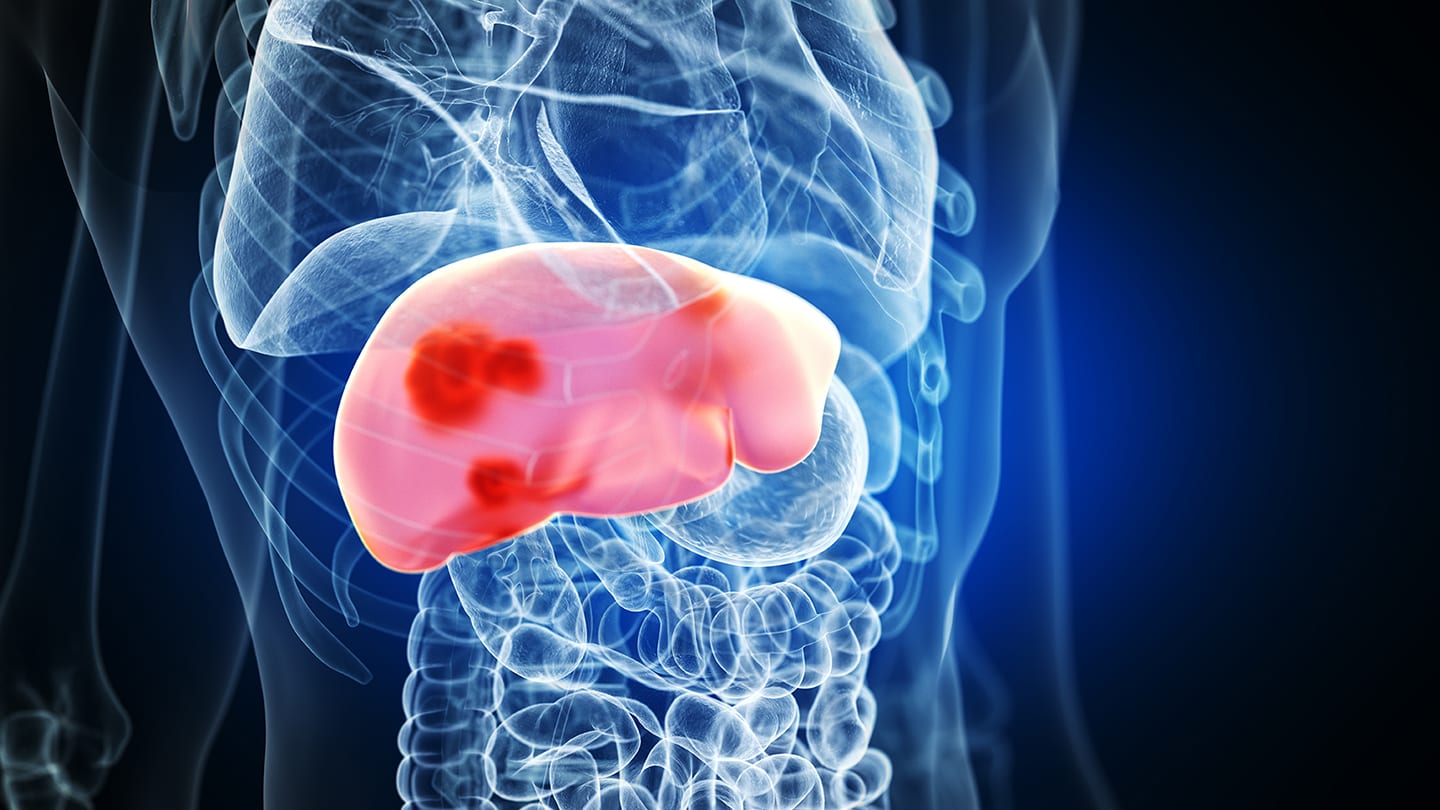
Abdominal distension, edema lead to rare diagnosis
-
by Amy Pfeiffer
A case study describes how extensive pancreatic and retroperitoneal lymphatic malformations caused protein-losing enteropathy and severe hypoproteinemia in a young patient.

Simulation training may boost polypectomy technique
-
by Jess Allerton
"There is no universal method for performing polypectomy, despite the high volume of procedures performed annually."

Mirikizumab in Crohn’s: Two-year data suggest continued benefit
-
by Julia Cipriano
"There is considerable interest in using these agents earlier in the treatment paradigm."

AI system offers no benefit in upper endoscopy, study finds
-
by Amy Pfeiffer
"Our study is the first to underscore the critical role of rigorous pathologic review in evaluating AI systems."
When celiac disease isn’t the whole story
-
by Amy Pfeiffer
Case study highlights the importance of considering lymphoproliferative disease when celiac disease does not fully explain findings.

Tirzepatide outperforms semaglutide for weight loss
-
by Julie Greenbaum
Real-world data show greater weight loss with dual incretin therapy.

Time-restricted feeding linked to improvements in Crohn’s disease
-
by Sierra Rendon
Randomized study suggests meal timing strategy may complement standard therapy in select patients.

Gut abnormalities persist even in Crohn's remission
-
by Doug Brunk
Multi-omics analysis reveals ongoing epithelial and microbial disruption despite effective immune suppression.

What ulcerative colitis biopsies reveal about healing
-
by Jess Allerton
Analysis links endoscopic and histologic remission to molecular signals of mucosal recovery.

Lower health literacy tied to worse MASLD
-
by Doug Brunk
Pilot study links limited health literacy to greater liver stiffness, steatosis, and obesity in a clinic cohort.

The push to prevent Crohn's disease
-
by Doug Brunk
Through INTERCEPT, efforts are underway to develop a blood-based risk score capable of predicting CD and to prevent disease onset.

Steroids show modest 28-day benefit in severe alcohol-associated hepatitis
-
by Doug Brunk
Steroids improve early survival in severe alcohol-associated hepatitis — but long-term benefit remains uncertain.

Top reasons to update your will and support GI research through the AGA Research Foundation
5 common life changes that may mean it’s time to update your will.

Review: Diagnosis and therapy timing shape IBD outcomes
-
by Julie Greenbaum
Evidence supports earlier advanced therapy in CD, but data remain mixed in UC.

Gastric cancer risk rises in familial adenomatous polyposis
-
by Doug Brunk
FAP patients found to have a 12-fold higher risk of gastric cancer than the general population.

Apply to be the next editor-in-chief of GI & Hepatology News!
-
by Sierra Rendon
Applications now open to lead AGA’s flagship news publication.

Therapeutic endoscopy expands in IBD
-
by Doug Brunk
AGA update outlines when advanced endoscopic interventions can delay or prevent surgery and how to select patients most likely to benefit.

March marks CRC awareness month: Explore AGA screening resources
AGA shares clinical guidance and patient education resources to support evidence-based colorectal cancer screening.

Refining endoscopic surveillance beyond average-risk screening
-
by Gyanprakash A. Ketwaroo, MD, MSc, Isaiah T. Gonzalez, MD, Mimi C. Tan, MD, MPH, Samir A. Shah, MD
Drs. Isaiah Gonzalez and Mimi Tan offer a thoughtful framework for the evaluation and surveillance of gastric intestinal metaplasia, while Dr. Samir A. Shah provides a practical and evidence-based approach to IBD surveillance, highlighting his use of chromoendoscopy with targeted sampling to improve dysplasia detection.

Integrating mind and gut: Dr. Megan Riehl on the future of GI psychology
-
by Sierra Rendon
Exploring the evolving role of behavioral health in gastroenterology.

Expert weighs in on ADR-A as a colonoscopy quality metric
-
by Julia Cipriano
All-exam ADR predicts post-colonoscopy cancer risk and supports broader quality measurement.
Pediatric MASLD tied to early morbidity
-
by Doug Brunk
Review details rising prevalence and early fibrosis risk.

FIT yields decline after the first round — but remain clinically meaningful over time
-
by Sierra Rendon
Findings from 2.8M invitees reinforce the value of sustained screening.

Early IBD care tied to better CD outcomes
-
by Doug Brunk
Review synthesizes data linking diagnostic delay to complications and supports early biologic therapy in Crohn’s disease.

Equity gaps are now a frontline issue in IBD care
-
by Sierra Rendon
As IBD prevalence rises worldwide, a new review argues that “equal access” isn’t enough — and lays out practical steps GI teams and health systems can take to reduce disparities in diagnosis, monitoring, and advanced therapy use.

Diet-microbiome links drive IBD inflammation
-
by Doug Brunk
Advanced genetic testing of gut bacteria shows certain microbes and their byproducts may help lower inflammation in Crohn’s disease and ulcerative colitis.

Endohepatology expands clinical reach
-
by Doug Brunk
Review details performance data, comparative trials, and persistent gaps as EUS moves deeper into hepatology practice.
Study: Income, BMI linked to CCE completion
-
by Doug Brunk
Danish screening data identify clinical and socioeconomic factors that significantly influence the likelihood of a complete colon capsule examination.

Inflammation severity at cancer diagnosis tied to outcomes in ulcerative colitis
-
by Sierra Rendon
Nationwide Japanese study finds colorectal cancers within UC-affected mucosa linked to lower recurrence-free and cancer-specific survival.

Diabetes duration tied to risk of pancreatic cystic neoplasms in nationwide cohort
-
by Amy Pfeiffer
A population-based Korean cohort study found increasing pancreatic cyst risk with worsening glycemic status, with the highest risk among individuals with diabetes for 5 years or longer.

Endoscopic ultrasound pushes beyond biopsy in diagnostics
-
by Doug Brunk
Review highlights advances that expand endoscopic ultrasound into precision diagnostics and personalized therapy across pancreatic and liver diseases.

Advances in Crohn’s disease therapies show similar safety
-
by Doug Brunk
Large claims analysis finds no significant differences in serious infections, VTE, or MACE across biologics and JAK inhibitors.

Olezarsen shows promise for severe hypertriglyceridemia management
-
by Sierra Rendon
Early-phase trial results highlight potential to reduce pancreatitis risk and offer clinicians a new treatment option for high-risk patients.

Vonoprazan-tetracycline: A promising rescue strategy for H. pylori
-
by Doug Brunk
Two-drug regimen clears infection with fewer side effects after prior failure.

Peripheral gaze guidance improves adenoma detection rate
-
by Doug Brunk
“Peripheral gaze guidance significantly improved adenoma detection — particularly for flat lesions — regardless of endoscopist experience level."
Surgical strategy for perianal Crohn's: Lessons from TOpCLASS
-
by Doug Brunk
MRI-guided staging helps reshape surgical decision-making.

Genetic risk tied to IBD severity
-
by Doug Brunk
Large cohort links higher polygenic risk scores to worse outcomes, including surgery and intensive treatment.

Combination therapy shows promise for hepatitis D in phase 2 trial
-
by Amy Pfeiffer
"Tobevibart and elebsiran have complementary mechanisms of action."

Global MASH costs set to double by 2040
-
by Doug Brunk
A multinational modeling study projects sharp rises in advanced liver disease, deaths and health care spending tied to MASH across nine countries.

Creeping fat in Crohn's may turn harmful
-
by Doug Brunk
Even though it is common, the condition has not been studied much.
MRI-based standard may predict outcomes in perianal Crohn's
-
by Doug Brunk
The TopCLASS definition identifies healing based on three criteria.

Postoperative Crohn’s: What’s changed?
-
by Doug Brunk
The concept of reusing anti-TNF therapy after surgery is gaining traction.

Navigating primary sclerosing cholangitis: Diagnosis and the 5 pillars of management
-
by Judy A. Trieu, MD, MPH, Mahesh Krishna, MD, David N. Assis, MD
Primary sclerosing cholangitis remains a challenging disease to diagnose and manage, due to varying presentations, associated disease processes, and lack of targeted treatment.

With a little help from my friends: What gastrointestinal pathologists need to know from gastroenterologists
-
by Raul S. Gonzalez, MD
Why better communication between gastroenterologists and pathologists matters for patient care.

Green endoscopy: Practical strategies to reduce environmental impact in GI practice
-
by Rabia de Latour, MD
There are plenty of opportunities for gastroenterologists, ambulatory surgery centers, endoscopy units, and outpatient clinics to implement changes that reduce GHG emissions.

2025 Sherman Prize Recipient Dr. Oriana Damas advances equity and innovation in IBD care
-
by Sierra Rendon
As a national leader in Hispanic IBD research, Dr. Damas bridges discovery and patient care to deliver more inclusive, precision-driven treatment.

How to negotiate it all: An employed position that allows entrepreneurship
-
by Nicole Shen, MD, MSc
Why smart contract strategy can protect your income, ideas, and independence in a changing medical economy.

Realigning values
-
by Judy A. Trieu, MD, MPH
A thoughtful reset for early-career physicians navigating evolving goals and responsibilities.

Expert spotlights advances in ulcerative colitis treatment
-
by Doug Brunk
“Appendicectomy is a viable and safe strategy for reducing the relapse rate in patients with UC compared to standard medical therapy alone,” Dr. Kara De Felice said.

Hospital care for IBD gets practical refresh
-
by Doug Brunk
“IBD experts around the country are receiving many more calls from community gastroenterologists for advice treating their hospitalized patients,” Dr. Shirley Cohen-Mekelburg said.

New Crohn's data spotlight promising therapies
-
by Doug Brunk
Beyond drugs, interest is growing in diet-based treatments.
Tiny plastics may harm gut and liver health, review finds
-
by Doug Brunk
“Our aim was to start conversations between clinicians and their patients about this emerging risk,” Dr. Priyata Dutta explained.

Wearable devices show growing potential in IBD care
-
by Doug Brunk
"The use of wearables envisions a future where the assessment of disease activity would be ongoing, continuous, and free of clinical visits."

Four reasons to add intestinal ultrasound to your practice
-
by Doug Brunk
“It's really made its way already into the mainstream of IBD care,” Dr. Rishika Chugh said.

Upadacitinib in pediatric IBD: 52-week results
-
by Doug Brunk
Response in those with ulcerative colitis was especially strong.

FMT improves IBD remission, meta-analysis suggests
-
by Doug Brunk
Researchers evaluated 7 trials involving 542 patients with UC or CD.

GLP-1 therapy in Crohn's disease: Fewer steroids, hospitalizations
-
by Doug Brunk
“What stood out most was the consistent association between GLP-1 receptor agonist use and lower steroid dependence."

ASGE updates guidance on diagnosing and managing GERD
-
by Doug Brunk
About one-third of U.S. adults are affected by the condition.
Acute pancreatitis is not 'one-and-done'
-
by Doug Brunk
"The reality is that while 96–98% of patients survive the acute event, a large proportion face clinically meaningful long-term pancreatic consequences that can be missed once they leave the hospital."
FDA issues early alert for AXIOS System
-
by Doug Brunk
The alert follows reports of deployment problems that may lead to serious injury, procedural complications, and even death.

Task force updates ERCP quality metrics
-
by Doug Brunk
The indicators are designed primarily for individual endoscopist use but may also support unit- or system-wide initiatives.

Cell-free DNA testing shows promise for early liver cancer detection
-
by Doug Brunk
Methylation-based cfDNA assays appear particularly promising.
Celiac markers unaffected by diet, proteomic analysis reveals
-
by Doug Brunk
“I was excited to find not just one but four markers that were invariant to diet."

JAK inhibitors show superior real-world efficacy in microscopic colitis
-
by Doug Brunk
“These findings pave the way for dedicated prospective trials and highlight evolving therapeutic strategies."
Colorectal stenosis after ESD is common but treatable endoscopically
-
by Doug Brunk
The multicenter study analyzed data from 315 patients over a 6-year period.

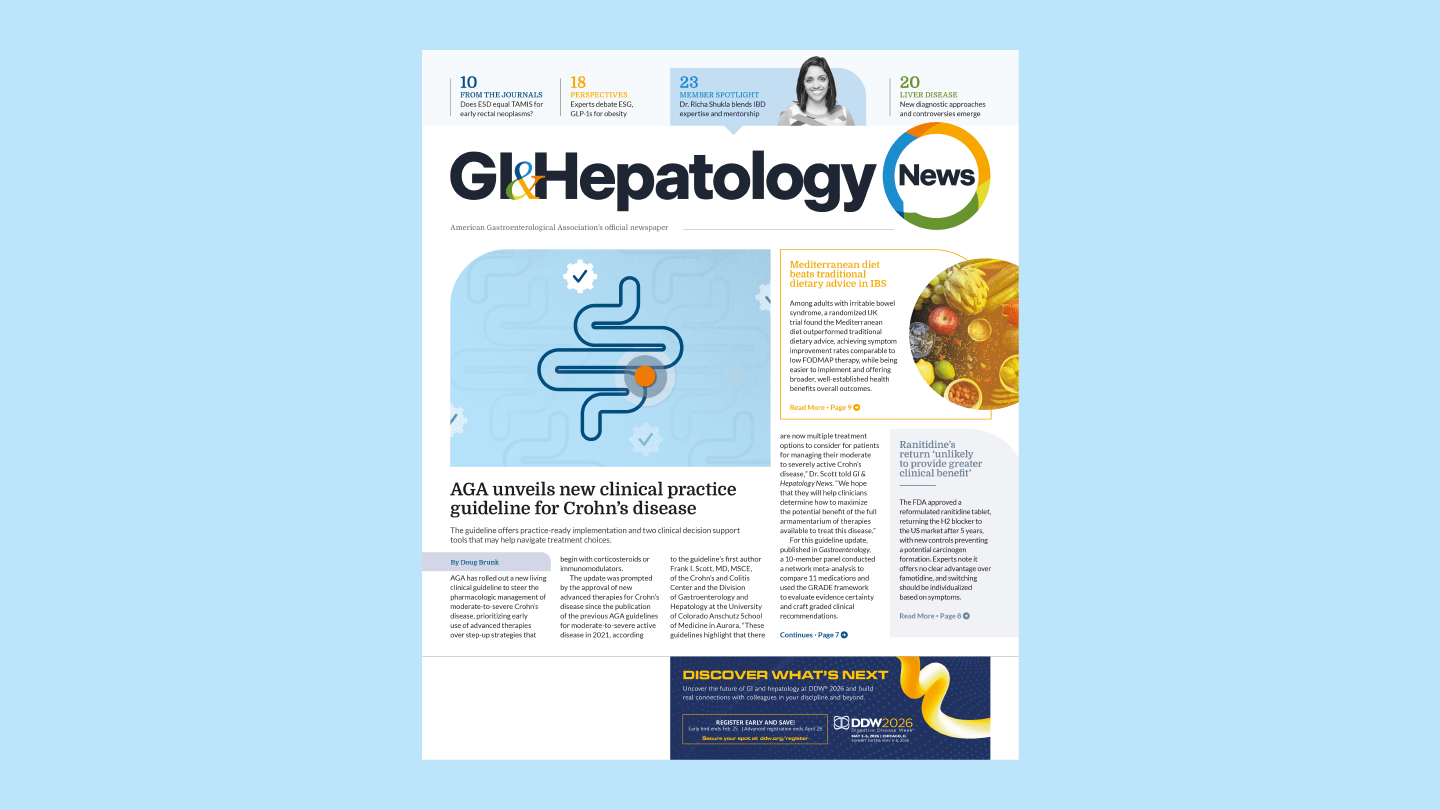
Single-molecule biosensor may enable earlier detection of high-risk pancreatic cysts
-
by Doug Brunk
The device is designed to detect biomarkers at extremely low concentrations, delivering rapid results.
Practice update: Refractory constipation
-
by Doug Brunk
Longstanding concerns about chronic stimulant laxative use are described as unfounded.

When gut-brain disorders affect eating in adults
-
by Doug Brunk
"Restrictive eating in DGBI is common beyond specialist clinics and highlights the need for integrated multidisciplinary care."

ACA expansion linked to better liver disease outcomes
-
by Doug Brunk
The analysis is believed to be the first of its kind.

VCTE vs histology in MASLD, study findings
-
by Doug Brunk
The study included 3,532 adults with MASLD.
IBD specialist champions patient care, mentorship, and women’s health advocacy
-
by Sierra Rendon
As a clinician, educator, and mother of three, Dr. Richa Shukla approaches these efforts with a mix of honesty and practicality.

Cirrhosis, age may shape HCC risk in PSC
-
by Doug Brunk
Investigators followed 3,071 patients for a mean of 12.5 years.
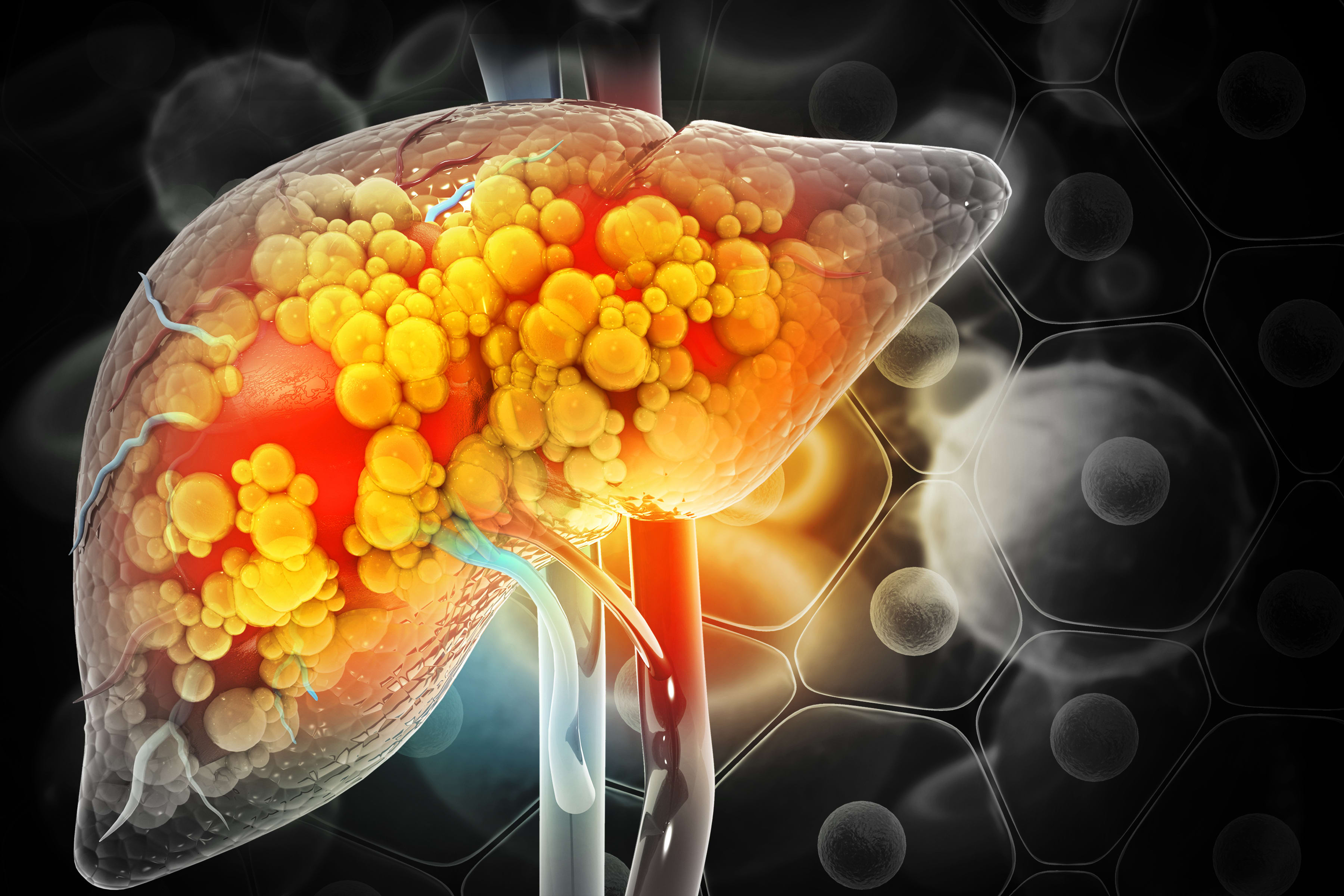
Infliximab levels predict ASUC outcomes
-
by Doug Brunk
Higher early clearance, especially by day 7, was strongly associated with nonresponse, treatment failure, and colectomy.
Task force touts greener endoscopy units
-
by Doug Brunk
Reducing unnecessary procedures, supplies, and ancillary resources offers the greatest environmental benefit relative to effort.

AGA strengthens payor ties to ease admin burden
-
by Doug Brunk
“We view this as an opportunity to work together to alleviate some of these burdens, and I will say that hearing the perspective from payors has been very eye-opening.”

Building effective community-based IBD care: Key challenges and opportunities
-
by Doug Brunk
“I fear practices will lose their relevance if they do not start building systems and processes for cognitive care pathways like IBD."
In memoriam: Dr. Kim L. Isaacs
-
by John Allen, MD, MBA, AGAF
Dr. Isaacs was a treasured physician, teacher, mentor, and researcher at the University of North Carolina.

GLP-1 drugs pose no cancer risk, review finds
-
by Doug Brunk
A large systematic review and meta-analysis was limited by a median follow-up of 70 weeks.

'Chaos scheduler' boosts endoscopy utilization
-
by Doug Brunk
“We were surprised by how much of an impact just one additional staff member on our scheduling team was able to have on the utilization rate at our endoscopy centers."

Histologic remission: A lifeline in IBD?
-
by Doug Brunk
Even during clinically quiescent periods, histologic inflammation remained associated with increased mortality.

Index of severity for eosinophilic esophagitis: Growing body of evidence supports use
To standardize assessment, the AGA facilitated the development of the Index of Severity for Eosinophilic Esophagitis (I-SEE).
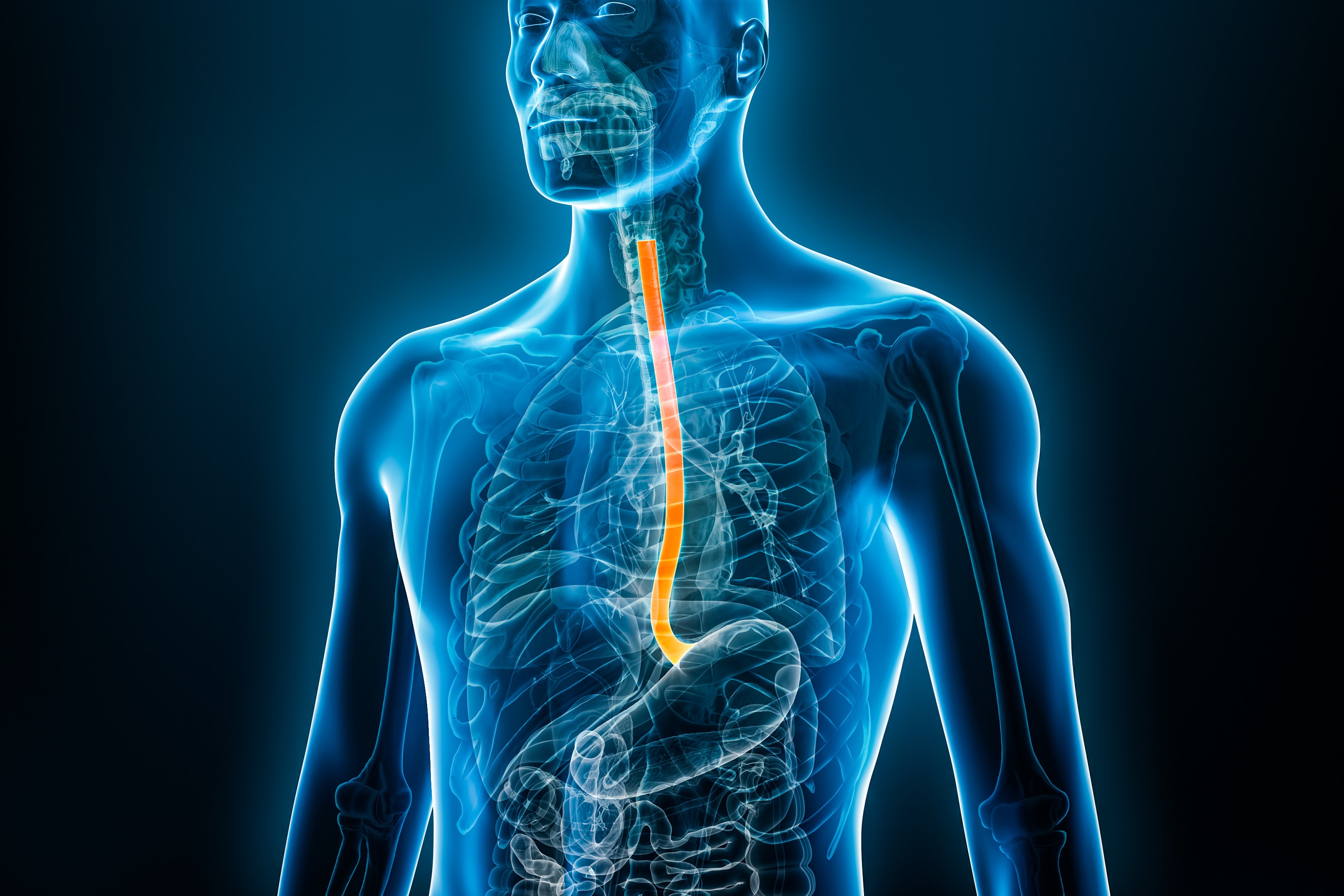
GI experts debate ESG, GLP-1 roles in modern obesity treatment strategies
-
by Gyanprakash A. Ketwaroo, MD, MSc, Marianna T. Papademetriou, MD, Dan Maselli, MD, D-ABOM, Eric J. Vargas, MD, MS, D-ABOM
Dr. Marianna Papademetriou makes a strong case for embracing medical weight loss medications. Drs. Eric Vargas and Dan Maselli counter with an equally compelling defense of ESG, arguing that endobariatrics remains a vital, underused tool.

Index of Severity for Eosinophilic Esophagitis: Growing body of evidence supports use
-
by Andrew Dickerson, MD , Corey Ketchem, MD, Carey Cotton, MD, Tetsuo Shoda, MD, PhD
I-SEE aims to provide a more comprehensive assessment that goes beyond eosinophil counts to include symptom frequency, complications, and signs of remodeling.

Mirikizumab shows promise for kids with ulcerative colitis
-
by Doug Brunk
"This is the first published clinical trial data on IL-23 inhibitors in children with UC and shows mirikizumab to be safe and effective for this population.”
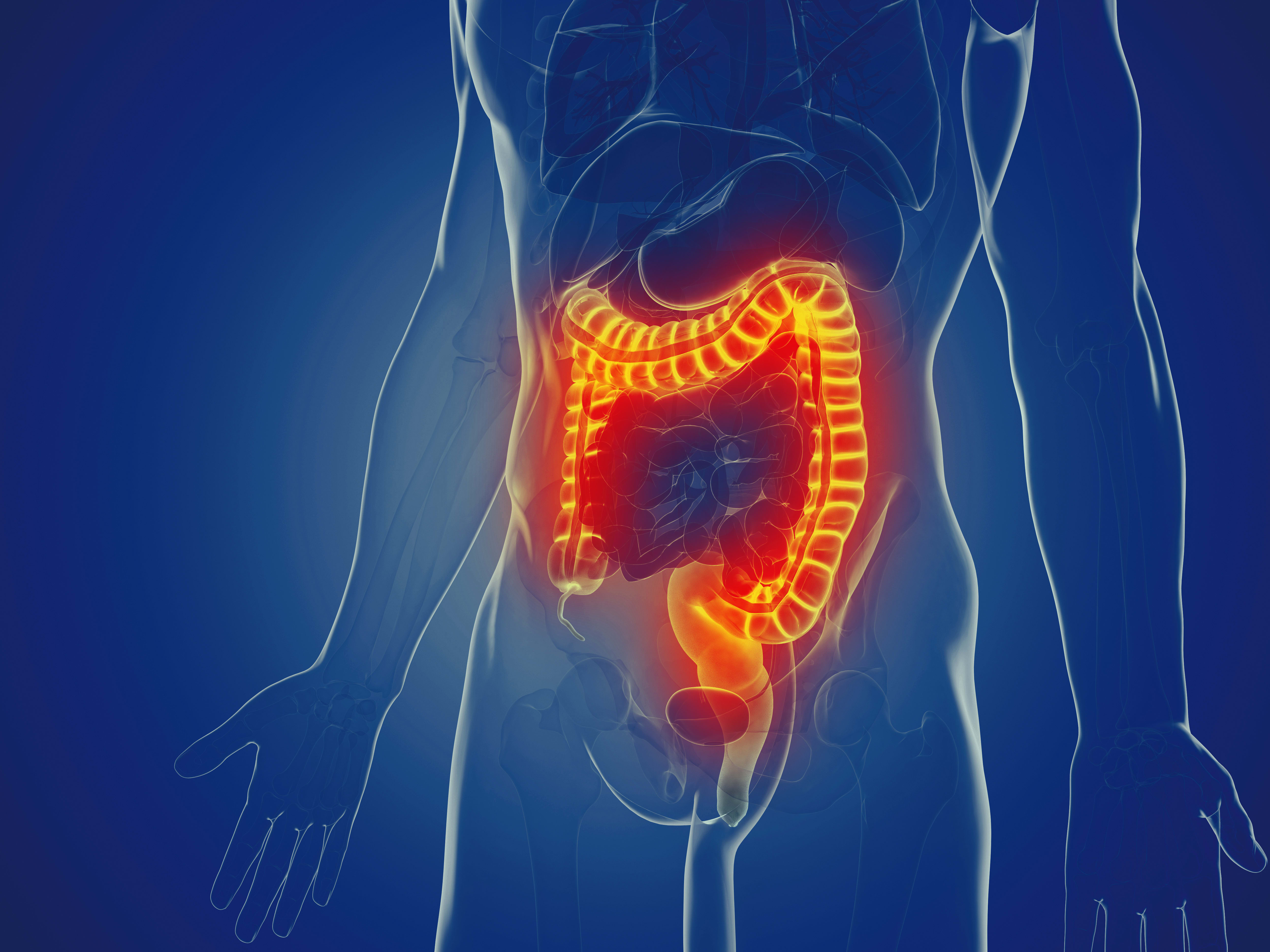
Ranitidine’s return 'unlikely to provide greater clinical benefit'
-
by Doug Brunk
New formulation incorporates stronger manufacturing controls and stability measures to prevent a possible carcinogen from forming.

New credential elevates GI nutrition collaboration
-
by Doug Brunk
To earn credential, dietitians must complete at least 2,000 hours of GI-focused practice and pass a specialty exam.

Evaluating the benefit-risk profile of upadacitinib in IBD
-
by Doug Brunk
Across multiple IBD trials, “upadacitinib consistently outperforms placebo with a generally favorable safety profile across diverse patient subgroups."

Mediterranean diet beats traditional dietary advice in IBS
-
by Doug Brunk
Researchers say the diet could serve as a first-line dietary option for people with IBS.

Balancing the challenges of research with the joys of clinical care
-
by Jennifer Lubell
Andrew Ofosu, MD, MPH, loves the variety that GI medicine offers on a day-to-day basis.

AGA unveils new clinical practice guideline for Crohn's disease
-
by Doug Brunk
The guidelines are living documents that “will be updated quarterly, allowing for rapid evolution as new data become available.”
Positive trends in chronic HCV mortality
-
by Doug Brunk
“DAAs have revolutionized the management of HCV by making it a curable disease.”
Tirzepatide tops semaglutide for cardiometabolic protection in MASLD
-
by Doug Brunk
The study authors recommend prospective head-to-head trials to validate the findings.
ALD-related HCC mortality surges
-
by Doug Brunk
The findings underscore the urgent need for targeted prevention strategies among high-risk group.

New score challenges old predictors
-
by Kerri Miller
"MERAGE has superior performance for predicting return to drinking (RTD) compared to HRAR in AH."

ED drugs tied to lower gastric cancer risk
-
by Kerri Miller
Large retrospective study finds 30% reduction in gastric malignancy among men taking erectile dysfunction medications.

Gastric microbiome shifts track H pylori virulence
-
by Kerri Miller
Pathogenic bacterial genotypes correlate with distinct microbial communities; overall α-diversity is unchanged, but virulent strains show greater diversity within subgroups as atrophy progresses
Approach to weight management in GI practice
-
by Colleen R. Kelly, MD
As gastroenterologists, we treat a number of conditions that are caused or worsened by obesity.

Exercise patterns and GI cancer risk
-
by Kerri Miller
Consistently meeting—but not exceeding—recommended activity levels offers maximal protection against digestive cancers, new research suggests.

CRC screening: Smartphone-based stool test matches lab accuracy
-
by Amy Pfeiffer
The findings point to a new tool for enhancing participation in CRC screening programs—particularly among younger, tech-savvy patients under 60 years who demonstrated higher adoption rates.

Microbiome: COVID-19's hidden factor?
-
by Kerri Miller
Pre-pandemic microbiome composition influences severe disease outcomes years later in a population study.

AGA issues updated guidance on HDV management
-
by Amy Pfeiffer
An AGA panel recommended universal HDV screening for all patients with chronic HBV infection.

Bariatric surgery vs GLP-1s: GERD risk
-
by Kerri Miller
Propensity-matched analysis of over 80,000 patients reveals bariatric surgery nearly doubles five-year esophageal complication rates compared with GLP-1 RA therapy.
Sarcopenia, thrombosis, and renal dysfunction dominate cirrhosis complication updates
-
by Kerri Miller
New diagnostic approaches and treatment controversies emerge for managing advanced liver disease complications.

GLP-1s and tirzepatide: Similar GI risk
-
by Kerri Miller
Real-world data show similar rates of severe GI events with semaglutide, dulaglutide, and tirzepatide, reinforcing comparable safety across agents in routine care.

'Don’t take shortcuts,' endoscopy researcher advises
-
by Jennifer Lubell
Dr. Jovani compared two different types of needles for tissue acquisition with endoscopic ultrasound.
When your first job isn’t forever
-
by Mayada Ismail, MD, DABOM
Lessons from my journey and what early-career GIs need to know

Non-invasive blood and stool CRC screening tests: Available modalities and their clinical application
-
by Ekta Gupta, MD, Carol A. Burke, MD, Carole Macaron, MD
This review summarizes the test characteristics of stool and blood CRC screening options and provides guidance on clinical implications.
“So you have an idea...”
-
by Alicia Muratore, MD, MBA, Emily V. Wechsler, MD, Eric D. Shah, MD, MBA
A practical guide to tech and device development for the early-career GI
Mediterranean vs traditional diet for IBS
-
by Kathryn Wighton
The Mediterranean diet demonstrated greater symptom relief and patient adherence than traditional dietary advice.

Does ESD equal TAMIS for early rectal neoplasms?
-
by Amy Pfeiffer
“ESD was associated with fewer technical constraints, higher procedural success, shorter hospitalization, lower cost, and greater patient acceptance."
Lower GI mistakes: Postop Crohn's, vaccine gaps, colonoscopy errors
-
by Kerri Miller
"There's no such thing as a routine colonoscopy. Every colonoscopy has a potential for mistakes."
Endoscopist skill found to predict short-term post-colonoscopy cancer
-
by Julian Upton
In the short term, the quality of the endoscopist is a stronger driver of cancer risk than polyp characteristics.

Nutritional IBD screening tools ranked
-
by Kerri Miller
"MIRT might be the NSTs of choice to predict defined malnutrition and low-Fat Free Mass Index at 6 months follow-up in a cohort of inactive/mildly active IBD patients."

AGA releases updated guideline on endoscopic surveillance of Barrett’s esophagus
-
by Wendy LaGrego
A panel came to a consensus on eight recommendations regarding the role of endoscopic surveillance in patients with Barrett’s esophagus.
AI in gastroenterology and endoscopy
-
by Gyanprakash A. Ketwaroo, MD, MSc, Yuvaraj Singh, MD, Alessandro Colletta, MD, Dennis L. Shung, MD, MHS, PhD, Neil Marya, MD
AI tools that were once conceptual are now entering everyday practice,
Do quadruple therapies beat triple for H. pylori?
-
by Kerri Miller
Concomitant and bismuth quadruple regimens provided substantially higher eradication rates than triple therapy without an adherence penalty.
New data tie GLP-1 therapies to GERD
-
by Jennifer Ford
"These potential risks should be weighed against the established clinical benefits of this drug class."
It’s not the polyp, it’s the provider: Study
-
by Julian Upton
High-risk polyps are usually considered the main reason for shortened surveillance intervals.
Letter: Another view on private equity in GI
-
by George Dickstein, MD, AGAF
Affiliating with a private equity-backed management services organization can empower physician practices to deliver high-quality care at a lower cost.
Global IBD trial experts agree on steroid standards
-
by Teraya Smith
New guidance issued on how steroids should be managed in clinical trial settings.
Open vs robotic liver resections, study results
-
by Teraya Smith
Complication rates and hospital stays were analyzed across both surgical groups.

New York GI links health equity and CRC screening
-
by Jennifer Lubell
Dr. Pascale M. White makes it her personal mission to expand access to care and address health inequities.
What If Early Cancer Rise Isn't What It Seems?
-
by Kerri Miller
Analysis reveals stable mortality despite doubled incidence rates in patients under 50.
Intestinal ultrasound offers prognostic value in IBD pregnancy
-
by Kerri Miller
"We rely very little on symptoms in pregnancy — they’re so unreliable — and instead target fecal calprotectin under 100 and sonographic remission."

Second-Surveillance Risk Hinges on Results of Prior Colonoscopies
-
by Kerri Miller
Risk estimates are more accurate when clinicians consider serial findings rather than just the most recent exam.
Prolonged Therapy in Eosinophilic Esophagitis Prevents Relapse Without Added Risk
-
by Julia Cipriano
"Proton pump inhibitors appeared more effective than off-label swallowed topical corticosteroids in sustaining histologic and clinical responses."
Prior TNF antagonist exposure influences efficacy of advanced therapies in ulcerative colitis
-
by Wendy LaGrego
"Prior exposure to TNF antagonists appears to potentiate the efficacy of JAK inhibitors and IL-12/23 antagonists but may attenuate responsiveness to lymphocyte trafficking inhibitors."
Gastric Varices: Nonselective Beta-Blockers May Lower Mortality
-
by Cara Glynn
Given the high mortality associated with gastric variceal hemorrhage, ongoing investigation into pharmacologic and interventional approaches remains critical to improving patient outcomes.

Endoscopic Surveillance for Barrett’s Esophagus: Two-Year Results
-
by Lisa Astor
"The burden of Barrett’s surveillance on endoscopic resources can be significant, and it may be appropriate to lengthen the surveillance interval or consider offering at-need endoscopy to well-informed patients."
Global Consensus Streamlines MASLD/MASH Care
-
by Amy Pfeiffer
"We have developed consensus recommendations for busy clinicians."
Peyer’s patch B cells drive TG2 autoantibodies in celiac disease
-
by Stephanie Vine
“B-cell-directed therapies have not yet been explored for the treatment of celiac disease, but they might well be pursued in the future given their success for the other autoimmune diseases."

AGA releases updated gastroparesis guideline
-
by Amy Pfeiffer
The guideline panel "critically assessed the studies available for diagnosing gastroparesis and the treatments used for gastroparesis."
CT Findings Differ in Ischemic Colitis Subtypes
-
by Stanley Gajete
Abdominal CT imaging showed 100% positivity in more extensive ischemic colitis cases versus just 18% in mild disease, highlighting imaging's diagnostic value for severity assessment.
Gastrointestinal Disorders Linked to Sleep Problems
-
by Mouj Hijazi
Study of more than 10,000 US adults finds depression accounts for 21% of the relationship between stomach illness and sleep disturbances, suggesting need for integrated treatment approaches

Ancillary Features Don’t Improve LI-RADS Accuracy
-
by Stanley Gajete
The study raises questions about whether ancillary features still warrant inclusion in liver imaging workflows.
Bile Acid Biomarker Stratifies HBV Cirrhosis
-
by Stanley Gajete
Antiviral therapy lowers taurochenodeoxycholic acid concentrations in patients with hepatitis B virus cirrhosis, reflecting changes in bile acid balance with viral suppression.

On a quest to reduce stigmas about anal cancer
-
by Jennifer Lubell
Jessica Korman, MD, wants to erase what she says is a stigma in the gastroenterology profession surrounding anal disease.

Medical liability for the gastroenterologist
-
by Koushik Das, MD, AGAF
The definitions of malpractice, the most common reasons why a physician may get sued, the intended/unintended consequences of litigation, and the anatomy/timeline of a lawsuit.

AGA women’s committee outlines roadmap towards gender equity
-
by GI and Hepatology News
GI remains one of the most male-dominated medical subspecialties.

Evolving standards of practice: esophageal varices and Barrett’s esophagus
-
by Gyanprakash A. Ketwaroo, MD, MSc, Tarek Sawas, MD, Anahita Rabiee, MD
Top 5 tips for becoming an effective gastroenterology consultant
-
by Allon Kahn, MD
Move beyond the notion of the “bad” or “soft” consult and seek instead to understand how you can help.
GLP-1 receptor agonist use in gastrointestinal endoscopy: A review of current evidence and guidelines
-
by Sitharthan Sekar, MD, Nikiya Asamoah, MD
GLP-1 receptor agonist use in gastrointestinal endoscopy: A review of current evidence and guidelines
-
by Sitharthan Sekar, MD, Nikiya Asamoah, MD
Although there is little data to guide clinicians, several recent studies can direct clinical decision-making as guidelines continue to be refined and updated.


AGA president brings forth 'message of inclusivity'
-
by Jennifer Lubell
Dr. Lawrence Kim initially thought he would pursue a career in health policy.

Letter from the editor: The aftermath of Kennedy vs Braidwood
-
by Megan A. Adams, MD, JD, MSc
The fight to protect science-based health policy is far from over.
An approach to exocrine pancreatic insufficiency: Considerations in diagnosis and treatment
-
by Yasmin G. Hernandez-Barco, MD, Motaz Ashkar, MBBS, MSCI
Symptoms are often the most common reason to test for disease state in the appropriate clinical context.


Practical tips on delivering feedback to trainees and colleagues
-
by Michelle Baliss DO, Christine Hachem, MD
"Tried and true” practical tips on delivering feedback and on navigating potential barriers based on lessons learned.

Letter from the EIC: Vital partners in GI care
-
by Megan A. Adams, MD, JD, MSc
In this month’s issue of GIHN, we present the exciting results of the BOSS trial and more.

Vital partners in GI care
-
by Megan A. Adams, MD, JD, MSc
Advanced practice providers have become increasingly vital clinical partners to gastroenterologists in optimizing patient access, improving health outcomes, and ensuring continuity of care.
The essential guide to estate planning for physicians: Securing your legacy and protecting your wealth
-
by John S Gardner
Many physicians delay estate planning, assuming it’s something to consider later in life.

Improving care for patients from historically minoritized and marginalized communities with disorders of gut-brain interaction
-
by Rosa Yu, MD, Jennifer Dimino, MD, Christopher Velez, MD, GI and Hepatology News
An uncertain future for no-cost preventive care
-
by Megan A. Adams, MD, JD, MSc
Despite a new administration, the federal government continues to advocate for upholding the law, asserting that USPSTF members are “inferior officers."
Bringing HCC patients hope through trials, advanced treatments
-
by Jennifer Lubell
For Reena Salgia, MD, the most rewarding part about working with patients with HCC is being there for their entire journey,
Treating Barrett’s esophagus: Comparing EMR and ESD
-
by Gyanprakash A. Ketwaroo, MD, MSc, Mohamed O. Othman, MD, AGAF, Silvio W. De Melo Jr., MD, AGAF
How do we incorporate ESD into our algorithm for management?

A practical approach to diagnosis and management of eosinophilic esophagitis
-
by Evan S. Dellon, MD, MPH
Eosinophilic esophagitis can be considered a “young” disease, with initial case series reported only about 30 years ago.
Gastroenterology knows no country
-
by David A. Katzka, MD
"We live in time when 'immigrant' has been assigned a negative and almost subhuman connotation, and diversity has become something to be demonized rather than celebrated."

Childhood IBD connects PA with her patients
-
by Jennifer Lubell
Abigail Meyers, MPAS, PA-C, was 9 years old when a diagnosis of ulcerative colitis set the trajectory of her future career.

Improving care for sexual and gender minority patients with disorders of gut-brain interaction
-
by Kara J. Jencks, MD, Christopher Velez, MD
Improving care for sexual and gender minority patients with disorders of gut-brain interaction
-
by Kara J. Jencks, MD, Christopher Velez, MD
Surgical vs endoscopic excision of large colon polyps
-
by GI and Hepatology News, Gyanprakash A. Ketwaroo, MD, MSc, Moamen Gabr, MD, MSC, Jeffrey D. Mosko, MD, MSc, Ira Leeds, MD
Are there specific polyps for which we should consult a surgeon first?
Surgical vs endoscopic excision of large colon polyps
-
by Gyanprakash A. Ketwaroo, MD, MSc, Moamen Gabr MD MSc, Jeffrey D. Mosko, MD, MSc, Ira Leeds, MD
Clinical research in early career academic medicine
-
by Lauren D. Feld, MD, Kathy Nguyen, Katherine Cooper, MD, Loren Galler Rabinowitz, MD, Amiko M. Uchida, MD
Many exciting opportunities and notable barriers exist to establishing a clinical research laboratory in the early career.

Endoscopist brings cutting-edge tech to Asia-Pacific region
-
by Jennifer Lubell
As the COVID-19 crisis unfolded, Tossapol Kerdsirichairat, MD, faced another challenge: his mother’s ovarian cancer diagnosis.
Avoid getting stuck: A practical guide to managing chronic constipation
-
by Hamza Salim, DO, Anni Chowdhury, DO, Lavanya Viswanathan, MD, MS
While constipation is seldom life-threatening, it has a negative impact on patient quality of life and poses a significant financial burden.

Avoid getting stuck: A practical guide to managing chronic constipation
-
by Hamza Salim, DO, Anni Chowdhury, DO, Lavanya Viswanathan, MD, MS
The complexity of this condition should be appreciated and understood in order for a complete and thorough evaluation.
Healthcare AI: Balancing safety and innovation
-
by Megan A. Adams, MD, JD, MSc
In this month’s issue of GI & Hepatology News, we summarize a recent systematic review and meta-analysis highlighting worsening health disparities for Hispanic adults with MASLD.

Computational pathology offers insights on colorectal cancer outcomes
-
by Noah Levine
Study uses artificial intelligence to decode spatial cellular patterns in colorectal cancer, offering new tools for personalized treatment.
AGA Legacy Society members sustain GI research
"Funding from organizations like the AGA Research Foundation is crucial for young scientists and gastroenterologists to launch their careers."

Alcohol hepatitis: Why females face higher risks
-
by Kathryn Wighton
Study reveals rising hepatitis rates in young adults, with females facing greater risks of cirrhosis and liver-related death

Three sisters embrace ‘collaborative spirit’ of GI science
-
by Jennifer Lubell
They all share the same genes — and job title.

Treating GERD: Lifestyle modifications vs medication
-
by Gyanprakash A. Ketwaroo, MD, MSc, Juan D. Gomez, MD, Brijesh B. Patel, MD
While PPIs are highly effective, concerns about their potential side effects frequently make headlines.

An exciting time to be a gastroenterologist
-
by Megan A. Adams, MD, JD, MSc
The field of hepatology has shifted rapidly toward identifying and managing other significant causes of liver disease.
How to discuss lifestyle modifications in MASLD
-
by Newsha Nikzad, MD, Daniel J. Huynh, BS, Nikki Duong, MD
Medical, endoscopic, and surgical management of gastroesophageal reflux disease
-
by Patrick Chang, MD, Supisara Tintara, MD, Jennifer Phan, MD
Navigating ethical and clinical considerations relating to percutaneous gastrostomy (PEG) tubes
-
by Emily Seltzer, DO, MS, Antoinette Pusateri, MD, Anh D. Nguyen, MD, Ellen Stein, MD, AGAF
Alternative paths to recertification
-
by Gyanprakash A. Ketwaroo, MD, MSc, Petr Protiva, MD, MPH, AGAF, Maggie Ham, MD, AGAF
GIs discuss experiences with differing assessment methods.
A paradigm shift in evaluating and investigating the etiology of bloating
-
by Rajan Singh, PhD, Baharak Moshiree, MD, AGAF
Abdominal bloating is a common condition affecting up to 3.5% of people globally.
Advanced tissue resection in gastroenterology indications role and outcomes
-
by Mahmoud Y. Madi, MD, Arvind Rengarajan, MD, Ahmad Najdat Bazarbashi, MD
Navigating as a GI locum: My path and guide to this alternative practice model
-
by Catherine Bartholomew, MD, AGAF
Navigating and negotiating maternity/paternity leave in private practice
-
by GI and Hepatology News
The AGA Future Leaders Program: a mentee-mentor triad perspective
-
by Parakkal Deepak, MBBS, MS, Edward L. Barnes, MD, MPH, Aasma Shaukat, MD, MPH
A simplified approach to pelvic floor dysfunction
-
by Ayesha Khan, DO, Raakhi Menon, DO, Lindsay Allen, PT, DPT, MBA, Brooke Corning, MD
Symptoms related to PFD are common concerns raised by patients to GIs.

Achieving promotion for junior faculty in academic medicine: An interview with experts
-
by Vineet S. Rolston, MD, Sophie Balzora, MD, Mark A. Schattner, MD
Opting for a career in academic medicine can offer benefits such as increased autonomy and scheduling flexibility.
The gamer who became a GI hospitalist and dedicated endoscopist
-
by Jennifer Lubell
“I love gaming, which my mom said would never pay off. Then one day she nearly died from a peptic ulcer, and endoscopy saved her."
Iron overload in non-HFE liver disease: Not all iron is ready to strike
-
by Paul Martin, MD, Lawrence S. Friedman, MD
Endoscopic management of benign gallbladder disease
-
by Andrew J. Gilman, Todd H. Baron
Gastroenterologist advocates for fair coverage, reduced physician burden
-
by Jennifer Lubell
Faced with an opportunity to advocate for patients, Rajeev Jain, MD, AGAF, is never afraid to speak up.
The breakthrough drug whose full promise remains unrealized
-
by Nancy S. Reau, MD
Without increased screening and linkage to curative therapy, we will not meet the WHO goals for HCV elimination.
Hepatologist finds purpose as health equity advocate for LGBTQI+
-
by Jennifer Lubell
“As I was going through training, I didn’t think others like me existed, a gay South Asian transplant hepatologist."

Statins and the liver: Not harmful and perhaps beneficial
-
by Paul Martin, MD, Lawrence S. Friedman, MD
What gastroenterologists need to know about the 2024 Medicare payment rules
-
by GI and Hepatology News
New evaluation and management of CPT codes for telemedicine in 2025
-
by Coverage and Reimbursement Subcommittee of the AGA Government Affairs Committee
Advances in endoscopic therapies in inflammatory bowel disease
-
by Michael G. Rubeiz, MD, Kemmian D. Johnson, MD, MPH, Juan Reyes Genere, MD
Selecting therapies in moderate to severe inflammatory bowel disease: Key factors in decision making
-
by Ariela K. Holmer, MD, Shannon Chang, MD, MBA, Lisa Malter, MD
Bridging the gap between GI disorders and nutrition
-
by Jennifer Lubell
Renee Euler has made it her life’s work to navigate GI disorders with physicians and patients alike.

The good, bad, and ugly of direct-to-consumer advertising
-
by Sheldon Sloan, MD, David A. Drew, PhD
Navigating NAFLD: Unveiling the approach to mitigate the impact of NAFLD
-
by Mai Sedki, MD, MPH, W. Ray Kim, MD
Advances in pancreaticobiliary disease interventions: More options and better outcomes
-
by Allison R. Schulman, MD, MPH
Over the last several decades, the endoscopic treatment of pancreaticobiliary disease has advanced exponentially.
Eosinophilic esophagitis: A year in review
-
by Joan W. Chen, MD, MS
Diet remains the only therapy targeting the cause of EoE and offers a potential drug-free remission.

New and transitioning gastroenterologists face burnout too
-
by Corlan O. Eboh, MD, Victoria Jaeger, DO, Dawn M. Sears, MD, FACG
Florida GI gets candid about imposter syndrome, insurers, starting a GI fellowship
-
by Jennifer Lubell
"When the opportunity to start a fellowship program came, I was highly motivated to bring it to fruition.”
Surveillance colonoscopy: When and how to stop
-
by GI and Hepatology News
Drs. Petr Protiva and Mariam Naveed address this issue and provide differing perspectives on approaching surveillance colonoscopy in the elderly.
Increase in message volume begs the question: ‘Should we be compensated for our time?’
-
by Luis M. Nieto, MD, Jami Kinnucan, MD
Approach to dysphagia
-
by Tanisha Ronnie, MD, Lauren Bloomberg, MD, Mukund Venu, MD, FACG
According to AHRQ, dysphagia may be responsible for up to 60,000 deaths annually.

Establishing an advanced endoscopy practice: Tips for trainees and early faculty
-
by A. Samad Soudagar, MD, Mohammad Bilal, MD, FACP
Navigating your childcare options in a post-COVID world
-
by Kelly E. Hathorn, MD, David W. Creighton, MD
From private practice to academic medicine: My journey and lessons learned
-
by Katie Hutchins, MD
Recruiting gastroenterology and hepatology fellows virtually - Should we continue after the pandemic?
-
by Lara Dakhoul, MD, Tiffany Rhoden, Virginia Clark, MD
Artificial intelligence applications in colonoscopy
-
by Eugenia N. Uche-Anya, MD, Tyler M. Berzin, MD
Immune checkpoint inhibitor–related gastrointestinal adverse events
-
by Joshua Kwon, MD, Paul T. Kröner, MD, MSc
Why I decided to get an MBA after becoming a private practice gastroenterologist
-
by Vasu Appalaneni, MD, MBA
Weight loss management ... a new frontier?
-
by Gyanprakash A. Ketwaroo, MD, MSc, GI and Hepatology News
Integrating intestinal ultrasound into inflammatory bowel disease training and practice in the United States
-
by Noa Krugliak Cleveland, MD, David T. Rubin, MD